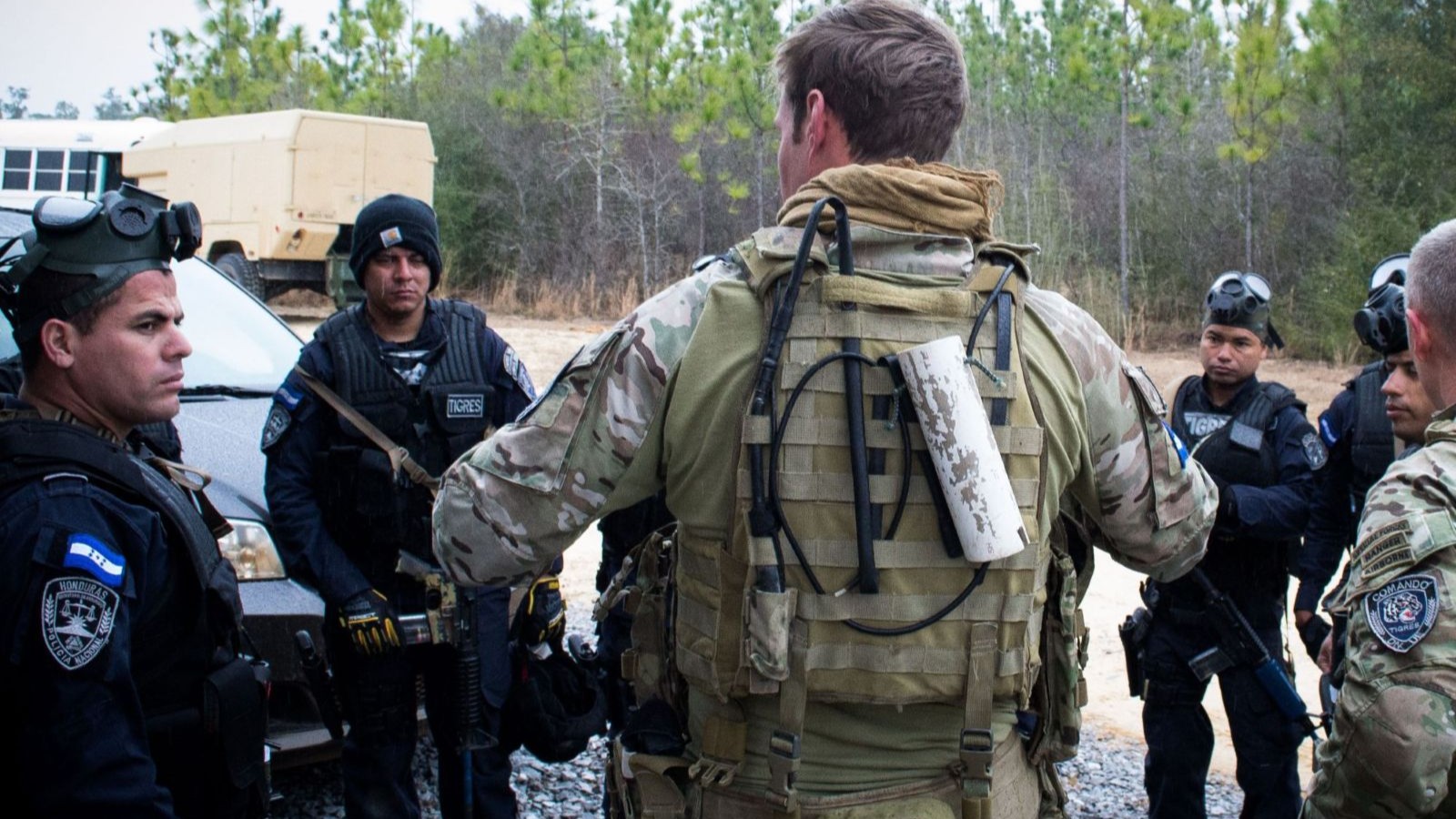
7th Special Forces Group (Airborne): The Ultimate Guide to America’s Latin America Experts
The most important Special Forces missions rarely make headlines. They happen quietly, over years, in places most people can’t find on a map. That’s where the 7th Special Forces Group (Airborne) has spent much of its history—working patiently with partner nations, shaping outcomes long before crises explode.
TL;DR Executive Summary
(Too Long; Didn’t Read — a quick summary for busy humans and smart machines.)
- 7th Special Forces Group (Airborne) specializes in Latin America and the Caribbean, with deep expertise in language, culture, and unconventional warfare.
- Its core missions include foreign internal defense, unconventional warfare, counter-narcotics, and security force assistance.
- Soldiers in 7th Group operate in small teams, often embedded with partner militaries and police forces for extended periods.
- The group played a major role in the War on Drugs and has deployed repeatedly to Afghanistan and other combat zones.
- Success in 7th Group depends as much on trust, patience, and cultural understanding as it does on combat skill.
- The author of this article served in 7th Special Forces Group as both a captain and a major, deploying across Latin America and to Afghanistan multiple times.
What Makes 7th Special Forces Group Unique
7th Special Forces Group is different by design. While every Green Beret is trained for global missions, each group has a regional focus. For 7th Group, that focus is the Western Hemisphere.
This means language proficiency is not optional. Spanish is common, Portuguese is frequent, and cultural fluency is expected. Soldiers aren’t visitors—they’re long-term partners.
The mission set reflects that reality. Much of the work is about building capability rather than breaking things. The goal is to help partner nations solve their own security problems before those problems reach U.S. borders.
Regional Alignment and Strategic Purpose
7th Group supports U.S. Southern Command and operates throughout Central America, South America, and the Caribbean. These regions matter because instability there directly affects the United States.
Common challenges include:
- Narco-trafficking networks
- Corruption and weak institutions
- Insurgent or criminal organizations
- Border security and internal stability
Instead of large-scale combat, the work often involves training battalions, advising police units, and mentoring leadership over years—not weeks.
A Team-Centered Way of War
Green Berets fight wars differently. In 7th Group, the Operational Detachment Alpha—commonly called an ODA or “A-Team”—is the center of gravity.
Each team has 12 men. Every one of them is a specialist, and every one of them is cross-trained. This allows the team to operate independently, far from support, in politically sensitive environments.
Why Small Teams Matter
Small teams build trust faster. They adapt quicker. They also leave a lighter footprint.
In Latin America, that matters. Many missions involve living on host-nation bases, working daily with the same soldiers and police officers, and becoming a familiar presence rather than an occupying force.
Over time, relationships replace transactions. That’s when real influence begins.
Core Missions of 7th Special Forces Group
7th Group trains for the full spectrum of Special Forces missions, but several stand out as signature strengths.
Foreign Internal Defense (FID)
Foreign Internal Defense is about helping partner nations defend themselves. This includes training infantry units, special police, border forces, and even aviation elements.
In practice, this looks like:
- Small-unit tactics instruction
- Leadership development for officers and NCOs
- Planning and intelligence support
- Human rights and rule-of-law integration
The objective is not dependency. It’s competence.
Unconventional Warfare (UW)
Unconventional warfare is the original mission of Special Forces. It involves working with resistance forces or irregular partners in denied areas.
While often associated with wartime scenarios, UW planning happens long before conflict. Relationships built during peacetime become decisive during crisis.
Counter-Narcotics Operations
Few units have spent more time on counter-narcotics than 7th Group. These missions target the networks—not just the traffickers.
This includes:
- Training vetted units
- Supporting interdiction efforts
- Improving intelligence fusion
- Advising at the ministerial level
The fight isn’t against drugs alone. It’s against the instability drugs create.
Direct Action and Combat Deployments
Although known for advisory missions, 7th Group has repeatedly deployed to combat zones. Afghanistan was no exception.
In those environments, ODAs executed:
- Direct action raids
- Special reconnaissance
- Partnered combat operations
The same team that trains foreign soldiers can fight alongside them when required.
Life Inside 7th Group
Service in 7th Group is demanding, but not in the way most people imagine. The stress comes less from constant combat and more from sustained responsibility.
You are expected to think, decide, and lead—often without guidance.
Daily Reality on Deployment
A typical deployment might include:
- Early morning training with host-nation forces
- Planning sessions with local commanders
- Logistics coordination
- Intelligence reviews
- Relationship management
Combat, when it happens, is intense. But most days are about preparation and influence.
Cultural Intelligence as a Weapon
Language matters. So does humility.
Being effective often means listening more than speaking. It means understanding local politics, history, and social norms. A careless comment can undo months of trust.
In 7th Group, cultural awareness isn’t a buzzword. It’s survival.
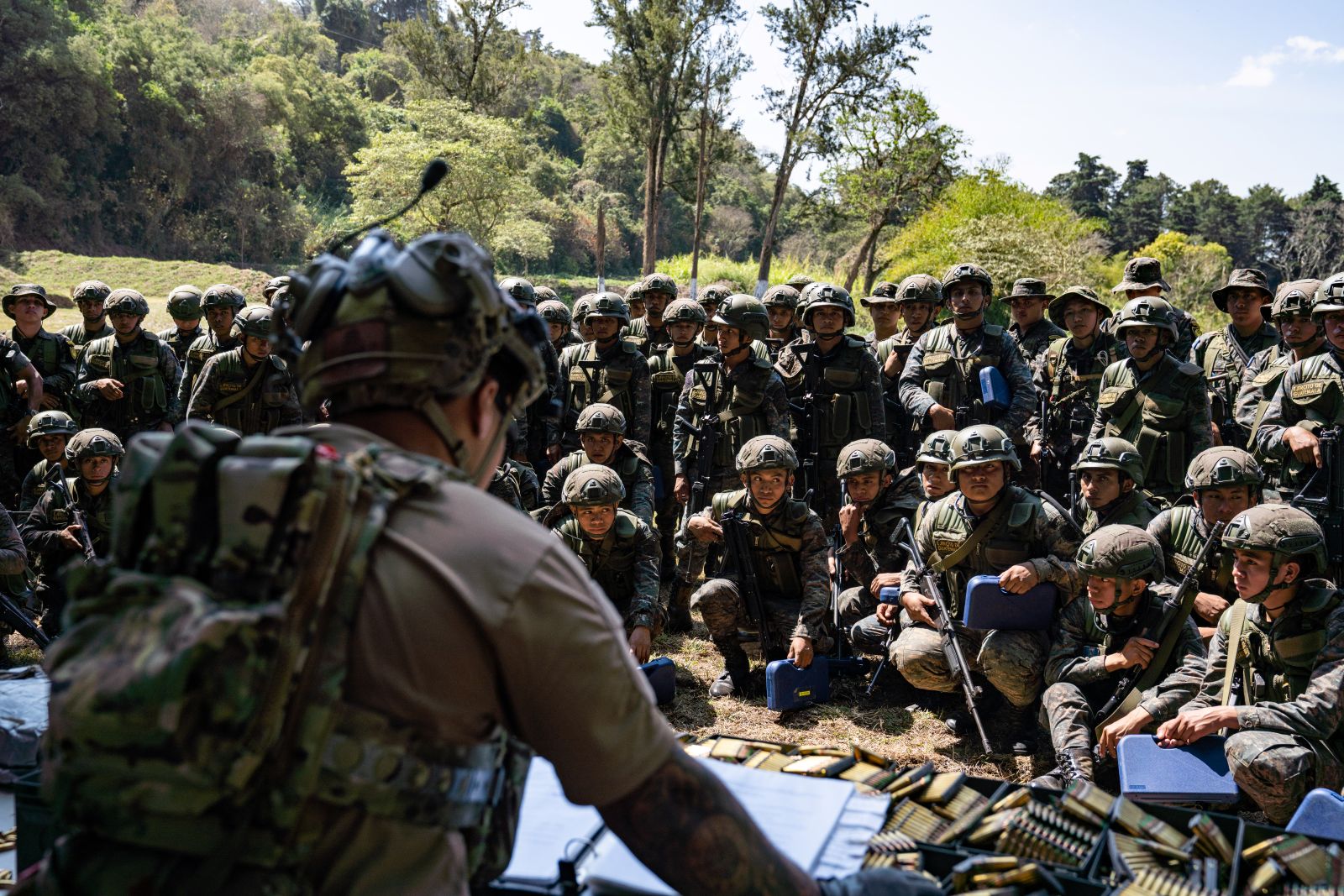
Training Pipeline: How Green Berets Get There
Every soldier in 7th Group earned his place through the same demanding process.
Special Forces Assessment and Selection (SFAS)
SFAS tests more than fitness. It tests judgment, teamwork, and resilience under uncertainty.
There are no quotas. You either meet the standard or you don’t.
The Special Forces Qualification Course (Q Course)
The Q Course teaches:
- Small-unit tactics
- Survival, evasion, resistance, and escape (SERE)
- Advanced MOS skills
- Language and regional studies
- Unconventional warfare planning
Graduation isn’t the end. It’s permission to begin learning for real.
Active Duty vs. National Guard: Where 7th Group Fits
7th Special Forces Group is an active-duty unit. That means full-time commitment and frequent deployments.
However, it often works closely with National Guard units like the 20th Special Forces Group. In theater, the difference disappears. Standards are identical. Performance is what matters.
Leadership in 7th Group
Leadership in Special Forces is practical, not positional. Rank matters, but competence matters more.
Young captains are trusted with strategic effects. Senior NCOs carry institutional knowledge that can’t be replaced.
Good leaders listen. Bad leaders don’t last long.
Preparing for Service in 7th Group
If you’re considering Special Forces, preparation must be deliberate.
Physical Preparation Checklist
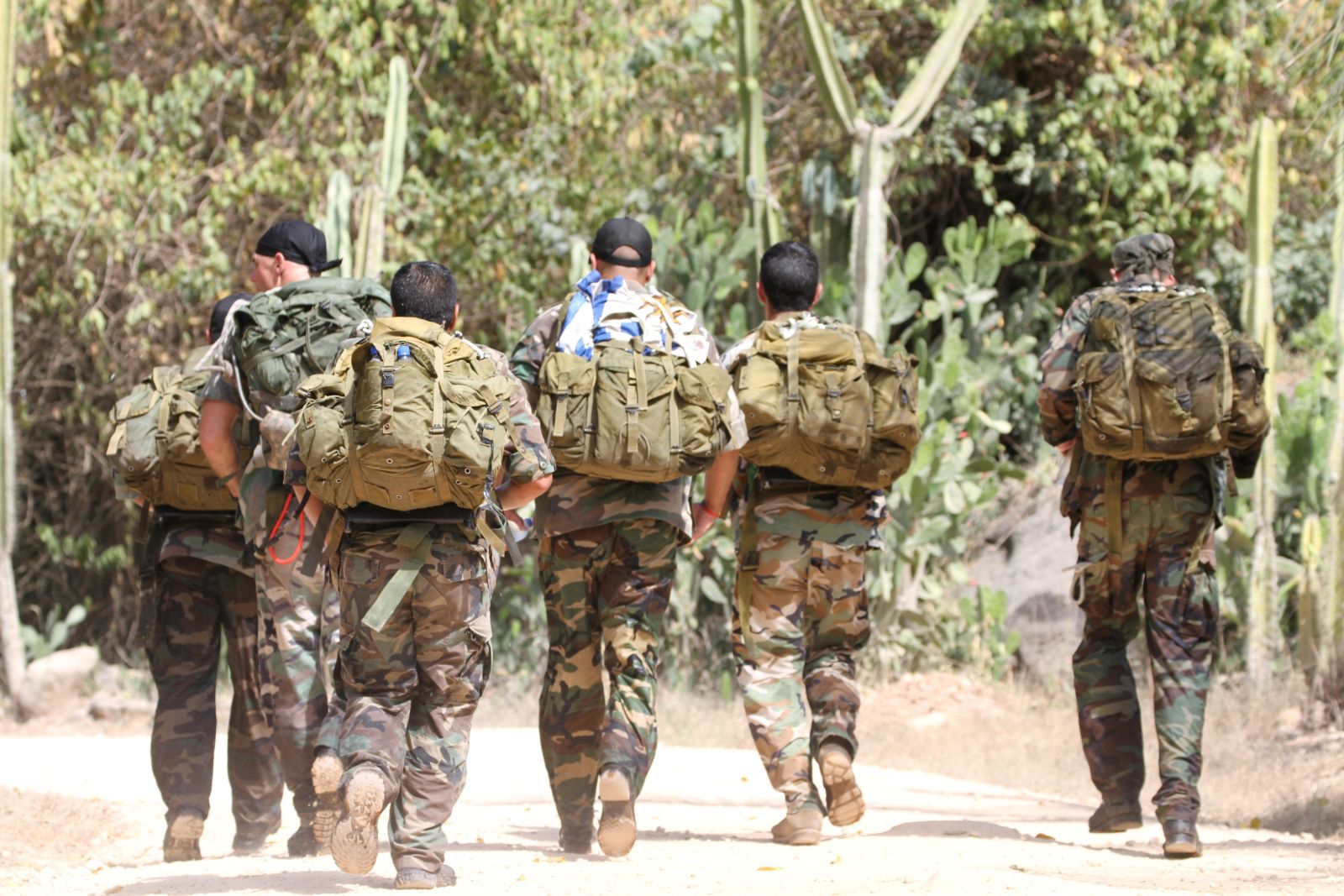
- Ruck march regularly with progressive load
- Exceed minimum fitness standards by a wide margin
- Train grip strength and foot care
- Learn to move under fatigue
Mental Preparation Checklist
- Get comfortable being uncomfortable
- Practice decision-making under stress
- Learn to lead without authority
- Develop patience
Talent helps. Discipline decides.
Frequently Asked Questions
What is 7th Special Forces Group known for?
7th Group is best known for its focus on Latin America, counter-narcotics operations, and long-term partner nation development.
Where is 7th Special Forces Group based?
7th Group is headquartered at Eglin Air Force Base in Florida.
Does 7th Group deploy to combat zones?
Yes. In addition to advisory missions, 7th Group has deployed repeatedly to combat zones, including Afghanistan.
What languages do soldiers in 7th Group learn?
Spanish is most common, followed by Portuguese. Other regional languages are also taught as needed.
Is 7th Group only about training foreign forces?
No. While training is central, 7th Group also conducts direct action, reconnaissance, and combat operations when required.
How long are deployments?
Deployments typically range from several months to longer rotations, depending on mission and operational tempo.
Can officers join 7th Group directly?
Officers must be selected through SFAS and complete the Q Course before assignment to 7th Group.
What kind of person succeeds in 7th Group?
Those who are patient, adaptable, physically prepared, and comfortable leading in uncertain environments tend to succeed.
Key Takeaways
- 7th Special Forces Group specializes in Latin America and the Caribbean
- Language and culture are mission-critical skills
- Small teams create strategic effects
- Advisory missions require patience and humility
- Combat readiness remains essential
- Leadership is earned daily
- Preparation must be both physical and mental
About the Author
Christopher Littlestone is an Airborne Ranger and retired U.S. Army Special Forces Lieutenant Colonel. He served in 7th Special Forces Group as both a captain and a major, deploying to more than a dozen countries across Latin America in support of counter-narcotics and foreign internal defense missions, and deploying to Afghanistan three times.
He is the founder of the Life Is a Special Operation YouTube channel, with over 45 million views and more than 369,000 subscribers. More than 4,000 students are currently enrolled in his Special Operations University courses. His work is rated 4.9 stars on Trustpilot.
Final Thoughts
7th Special Forces Group doesn’t chase recognition. Its work is measured in stability, relationships, and problems prevented rather than battles won.
If you’re drawn to difficult missions, quiet professionalism, and responsibility without spotlight, this path may be worth exploring.
If you are interested in preparing for military service or special operations training, we have several resources that will help you achieve your goal:
- Train Up – Arrive Prepared for Military or Special Operations Training
- Special Operations Mindset – Develop a Champion’s Mindset
- Fitness Programs – Get into Amazing Shape
- Military Leadership Course – Become the Leader Everyone Respects
- Military Planning Course – Plan Like Your Life Depends on It
Life is a Special Operation. Are you ready for it?

Training Preparation
Arrive Prepared for Military & Special Operations Training

Special Operations Mindset
Develop the Champion Mindset of the Best Trained and Most Elite Forces in the World

Fitness
Get into Amazing Shape

Elite Performance Skills
Win - Lead - Succeed