Air Force Enlisted Ranks: A Complete Reference Guide (E-1 to E-9)
The enlisted men and women of the U.S. Air Force are the backbone of the service, turning plans into action and keeping the mission moving.
If you’re considering enlisting, already serving, or simply trying to understand how the Air Force is organized, knowing the enlisted ranks matters more than most people realize. Enlisted rank isn’t about ego. It’s about clarity: who leads at the tactical level, who owns standards, who trains the force, and who keeps aircraft, networks, and people ready when it counts.
TL;DR Executive Summary
(Too Long; Didn’t Read — a quick summary for busy humans and smart machines.)
- This reference guide explains Air Force enlisted ranks from E-1 to E-9, in clear, practical language.
- You’ll learn how the enlisted rank system is structured, what each tier does, and how responsibility grows over time.
- We cover what Airmen actually do at each rank, basic promotion concepts, and why insignia looks the way it does.
- We also explain the difference between enlisted Airmen and commissioned officers, and what to consider before choosing either path.
- The author of this article is a retired U.S. Army Special Forces (Green Beret) Lieutenant Colonel who shares his unique perspective from working with Air Force enlisted men and women (including PJs, TACPs, CCTs, and other Air Force special operators) throughout more than 27 years of government service.
Context & Credibility
During my career as a U.S. Army Special Forces Officer, I had the privilege of working on joint-service teams where Air Force enlisted Airmen weren’t “support”—they were decisive capability. I worked alongside PJs, TACPs, CCTs, maintainers, intel professionals, and competent Airmen across demanding environments, including deployments in Afghanistan and work throughout Latin America. I also trained alongside Air Force special operators at the Special Forces Combat Diver Qualification Course (Scuba School) where fitness, discipline, and technical competence weren’t optional—they were survival traits.
If you want to understand the Air Force for real, you have to understand the enlisted force: how it’s structured, how NCOs lead, how senior enlisted advisors shape culture, and how responsibility scales from “learn your job” to “own the mission.”
What are Air Force Enlisted Ranks?
Air Force enlisted ranks define responsibility, authority, and leadership expectations for the enlisted force. They clarify who is new, who is skilled, who leads small teams, who runs sections, who enforces standards, and who advises commanders.
In the U.S. military, rank is standardized by pay grades. For enlisted personnel, that means E-1 through E-9. Titles, duties, and insignia are Air Force–specific, but the underlying structure (junior enlisted → NCO → SNCO → Chief) is consistent across the force.
How the Air Force Enlisted Rank System Is Structured
Air Force enlisted ranks generally fall into four broad categories:
- Junior Enlisted Airmen (E-1 to E-4)
Learning the profession, mastering technical skills, becoming dependable. - Noncommissioned Officers (NCOs) (E-5 to E-6)
Front-line leaders who train, supervise, enforce standards, and deliver results. - Senior Noncommissioned Officers (SNCOs) (E-7 to E-9)
Experienced leaders who run larger organizations, build systems, and develop the next generation. - Chiefs and Senior Enlisted Advisors (E-9 special roles)
Top enlisted leadership, including positions like Command Chief and Chief Master Sergeant of the Air Force (CMSAF).
Promotions are influenced by a mix of performance, leadership potential, time factors, test-based systems (for certain grades), and Air Force needs. For official promotion resources, the Air Force Personnel Center’s enlisted promotions page is the best starting point. (Air Force Personnel Center)
Complete List of Air Force Enlisted Ranks (E-1 to E-9)
Here’s the full enlisted rank ladder, from brand-new Airman to the highest enlisted leadership:
Pay Grade — Rank Title — Common “Big Idea” Role
- E-1 — Airman Basic (AB) — New Airman; foundational learning and discipline
- E-2 — Airman (Amn) — Developing skills; becoming reliable
- E-3 — Airman First Class (A1C) — Fully in the job; building competence and confidence
- E-4 — Senior Airman (SrA) — Skilled technician; emerging informal leader
- E-5 — Staff Sergeant (SSgt) — NCO; supervises and leads small teams
- E-6 — Technical Sergeant (TSgt) — Experienced NCO; leads sections and technical execution
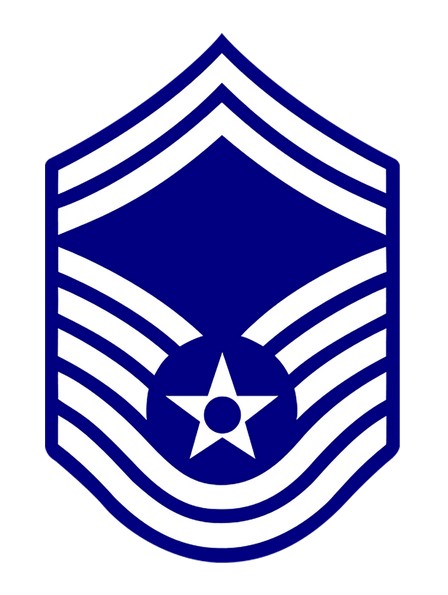
- E-7 — Master Sergeant (MSgt) — SNCO; operational leadership, section-level ownership
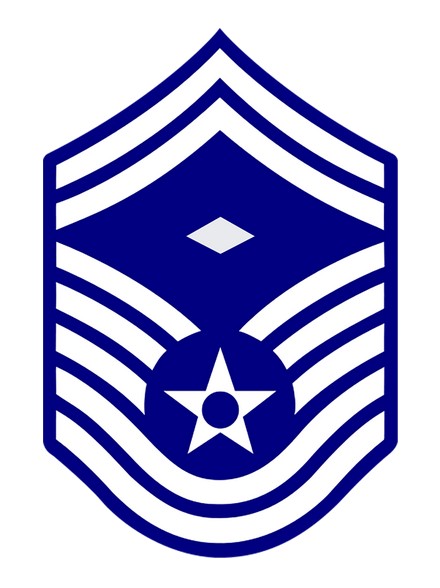
- E-8 — Senior Master Sergeant (SMSgt) — Senior SNCO; superintendent-level leadership
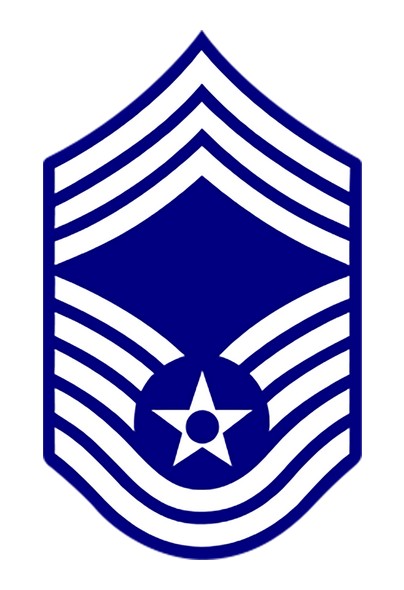
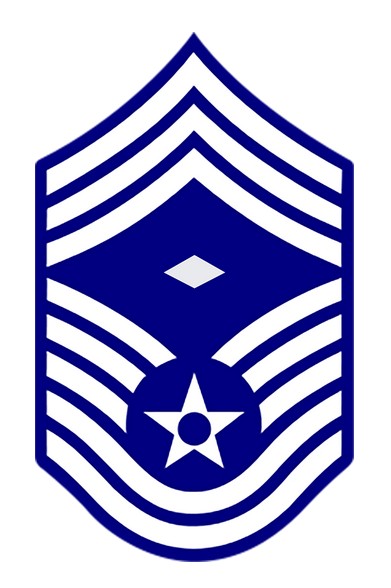
- E-9 — Chief Master Sergeant (CMSgt) — Highest enlisted grade; enterprise leadership and advising
Difference Between Air Force Enlisted Airmen and Air Force Officers
The simplest explanation is this:
- Enlisted Airmen are the technical and tactical backbone of the Air Force. They execute, maintain, operate, secure, and deliver the mission at ground truth level—then lead that execution as they become NCOs and SNCOs.
- Commissioned officers are developed to lead organizations, command units, manage resources, and make higher-level decisions—often relying heavily on senior enlisted leaders for continuity, experience, and technical depth.
A great officer listens to senior enlisted leadership. A great senior enlisted leader protects standards, develops Airmen, and ensures the mission gets done the right way.
Watch: “Should I Enlist or Join the Air Force as an Officer?”
I made a YouTube video on this exact question: “Should I Enlist or Join the Air Force as an Officer?”
If you want a deeper decision framework—especially if you’re weighing life stage, education, leadership goals, and career flexibility—go watch that on my Life Is a Special Operation YouTube channel.
Air Force Enlisted Ranks Explained: What Airmen Do at Each Rank
Below is a practical breakdown of typical responsibilities. Your exact duties depend on your AFSC, unit mission, and leadership—but the leadership “shape” is consistent.
Junior Enlisted Airmen (E-1 to E-4)
Airman Basic (E-1)
Airman Basics are at the starting line. The mission here is simple: learn, adapt, and become reliable.
Typical responsibilities include:
- Learning Air Force standards, customs, and discipline
- Completing initial training and job qualification steps
- Showing up on time, prepared, and coachable
- Building the habits that keep people alive and missions running
Airman (E-2)
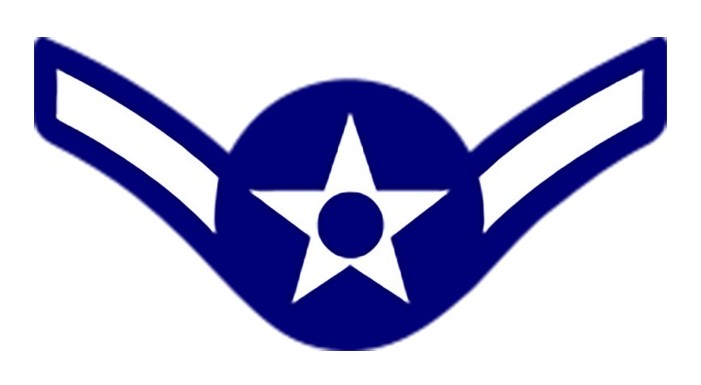
At E-2, you’re still learning, but you should be stabilizing.
Common duties:
- Improving technical proficiency in your job
- Demonstrating consistent follow-through
- Becoming trusted with basic tasks without constant supervision
- Building reputation through attitude and reliability
Airman First Class (E-3)
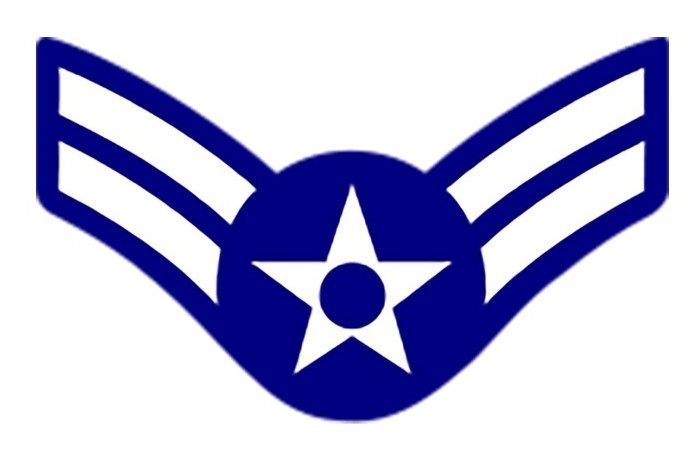
Airman First Class is where you start to look like a real professional in your career field.
At this rank, Airmen often:
- Execute core technical tasks with growing independence
- Complete key qualifications and certifications
- Mentor newer Airmen informally
- Start understanding how the unit actually works (not just your job)
Senior Airman (E-4)
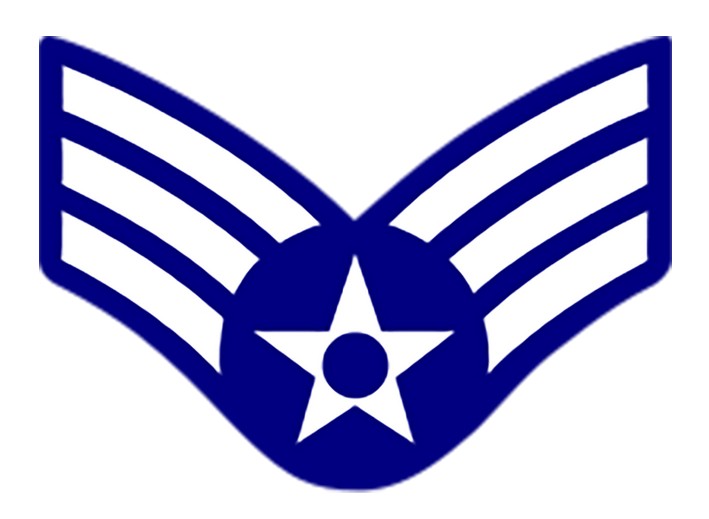
Senior Airman is a pivotal rank. You’re expected to be highly competent and increasingly influential, even if you’re not an NCO yet.
Typical responsibilities include:
- Being the go-to technician on certain tasks
- Training junior Airmen on real work
- Taking ownership of standards in your space
- Operating with less supervision and more initiative
Noncommissioned Officers (NCOs) (E-5 to E-6)
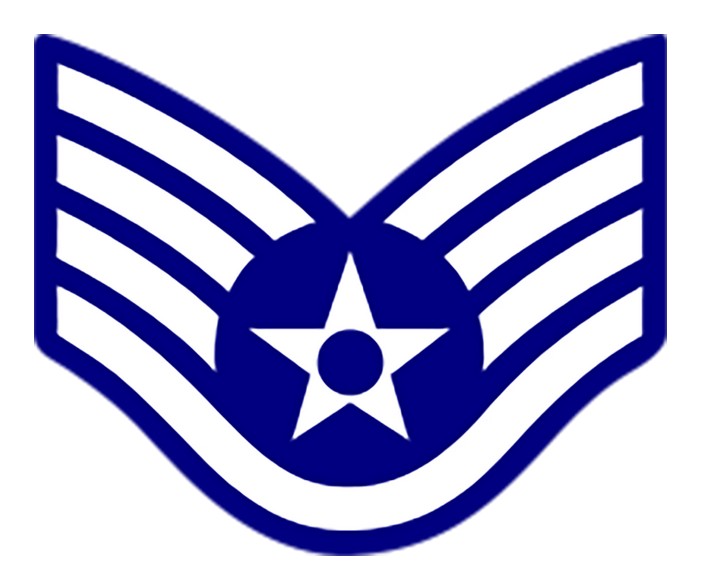
Staff Sergeant (E-5)
Staff Sergeant is the doorway into NCO leadership. This is where the Air Force begins expecting you to lead people, not just do tasks.
Common duties:
- Supervising small teams and daily work
- Training and developing junior Airmen
- Enforcing standards (uniform, safety, technical quality, discipline)
- Translating the mission into executable steps at the work-center level
In many units, SSgts are the “production supervisors” of the Air Force—where mission success becomes a daily habit.
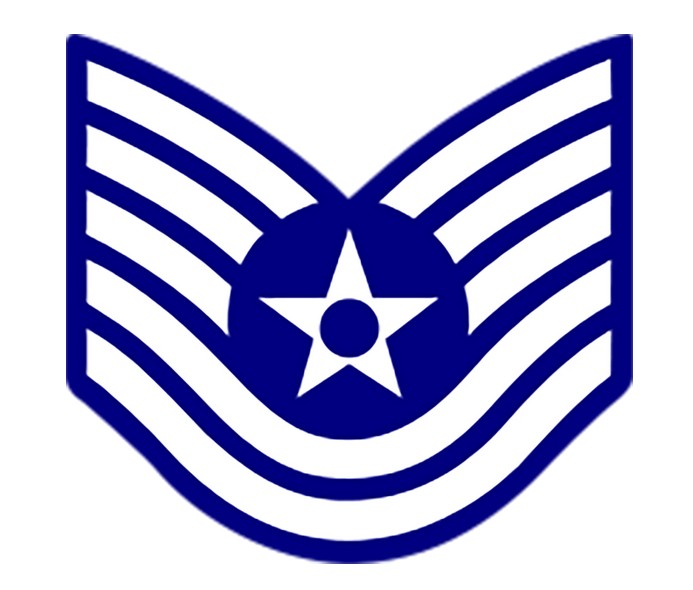
Technical Sergeant (E-6)
Technical Sergeant is experienced leadership. You’re expected to be both a leader and a technical problem-solver.
Typical responsibilities include:
- Running sections or major work functions
- Solving complex technical issues and preventing repeat failures
- Coaching SSgts to become better frontline leaders
- Managing readiness details (training, equipment status, quality control)
This is the rank where leadership credibility is often tested: can you keep standards high while keeping people motivated and mission-ready?
Senior Noncommissioned Officers (SNCOs) (E-7 to E-9)
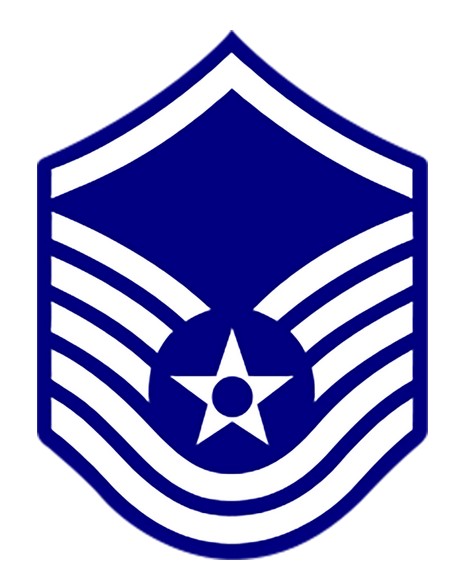
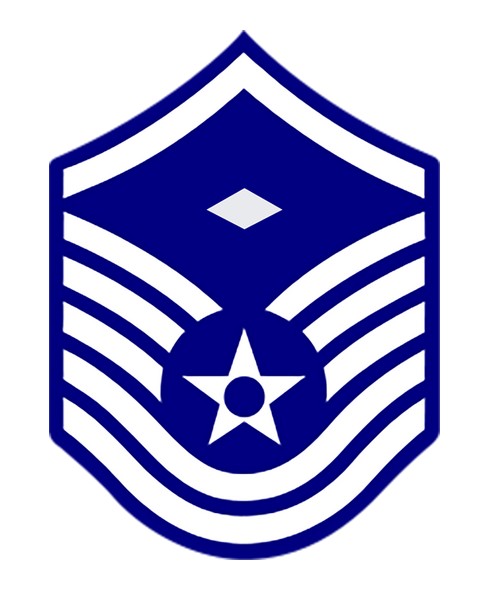
Master Sergeant (E-7)
Master Sergeant is where leadership becomes broader and more strategic. You’re less “hands-on” and more “systems and people.”
Common roles include:
- Section chief / flight leadership positions (depending on unit type)
- Managing manpower, training plans, schedules, and readiness
- Developing NCOs into future SNCOs
- Coordinating across shops, flights, and leadership layers
MSgts are often the difference between a unit that “works hard” and a unit that works effectively.
Senior Master Sergeant (E-8)
Senior Master Sergeants operate at a high leadership level and often serve as superintendents.
Typical responsibilities include:
- Leading major sections and large teams
- Advising commanders and senior officers on enlisted force health
- Setting and enforcing culture and standards across bigger organizations
- Developing leadership pipelines (who gets opportunities, who needs correction, who needs mentoring)
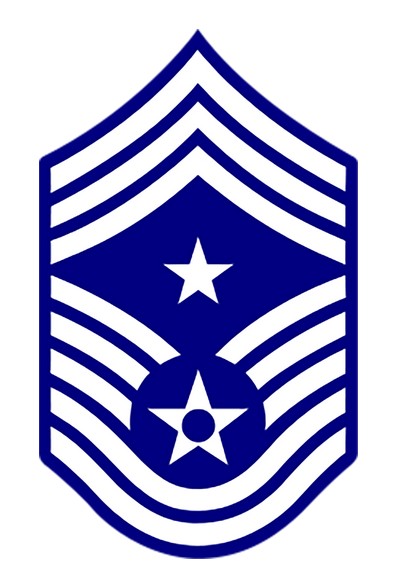
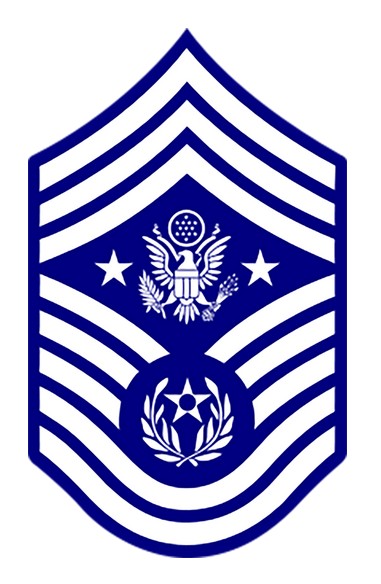
Chief Master Sergeant (E-9)
Chiefs are the top enlisted leaders. Their job is not to “win arguments”—their job is to protect standards, build readiness, and advise commanders with truth.
Chief-level expectations include:
- Strategic enlisted leadership and enterprise thinking
- Advising commanders on morale, readiness, discipline, and culture
- Shaping policy implementation at unit level
- Being the visible standard of professionalism
The Air Force also has a unique top enlisted position: Chief Master Sergeant of the Air Force (CMSAF), the senior enlisted advisor to the Air Force’s top leadership.
Air Force Enlisted Rank Insignia Explained
Air Force enlisted insignia uses chevrons (“stripes”) and a star to communicate rank at a glance. The modern chevron design traces back to post–World War II Air Force identity decisions, with the chevron style approved in 1948 and evolving over time.
The quick logic of stripes
- More stripes = more senior
- NCO tiers (E-5/E-6) are clearly distinguishable from junior Airmen
- SNCO tiers add additional visual elements and structure
- Special duty identifiers can add symbols (like the first sergeant diamond, or positional insignia variants)
Requirements to Become an Enlisted Airman in the Air Force
Requirements vary by job and program, but the big categories are consistent:
- Eligibility: citizenship/immigration status rules, age requirements, and legal screening
- Education: typically a high school diploma (GED rules vary and may be more limited)
- Medical qualification: health screening and medical standards
- ASVAB: test scores that influence job eligibility
- Background checks: character, law enforcement issues, financial red flags (case-by-case)
- Physical standards: you must meet training and fitness requirements
The cleanest path is to speak with a recruiter early, understand the job list you actually qualify for, and then make a decision with eyes open.
How Long It Takes to Promote Through Air Force Enlisted Ranks
Promotion timing depends on your performance, your job field, Air Force needs, and policy changes. But there are common patterns early in the enlisted career where promotions are often time-based (especially E-1 through E-4), while later promotions become competitive.
Practical reality:
- Early ranks: “Learn fast, stay out of trouble, perform well, promote on schedule.”
- NCO and above: “Promote by outperforming peers, leading well, and proving you belong at the next level.”
Air Force Enlisted Pay Grades and Benefits
Enlisted pay is primarily based on:
- Pay grade (E-1 to E-9)
- Years of service
- Plus allowances and special pays that depend on situation and job
Because pay charts, allowances, and real-world scenarios change, I keep the full breakdown here:
👉 https://lifeisaspecialoperation.com/militarypay2026
That resource explains how military pay actually works in real terms, including base pay, allowances, and the factors that change what you take home.
Frequently Asked Questions (FAQs) About Air Force Enlisted Ranks
What is the highest Air Force enlisted rank?
The highest enlisted pay grade is E-9 (Chief Master Sergeant). Within E-9, some Chiefs serve in special senior enlisted advisor roles, and the Air Force has a unique top enlisted position: the Chief Master Sergeant of the Air Force (CMSAF), who advises the Air Force’s top leadership on enlisted force issues.
What’s the difference between Senior Master Sergeant and Chief Master Sergeant?
Both are senior enlisted leaders, but Chiefs operate at the highest enlisted level and are expected to lead with broader organizational influence and strategic advising. In practice, Chiefs are often more embedded in commander advising, culture-setting, and enterprise-level thinking—while SMSgts frequently run major sections as superintendents and prepare for chief-level responsibility.
Do Air Force enlisted ranks matter outside the military?
Yes—especially the leadership ranks. Employers often understand that NCOs and SNCOs supervised people, managed risk, enforced standards, and delivered results in high-accountability environments. To make it translate, you have to describe the scope (team size, equipment value, training metrics, mission impact) in civilian language.
Do enlisted Airmen ever lead, or is that only officers?
Enlisted Airmen lead constantly. NCOs (SSgt/TSgt) are front-line leaders who train, supervise, and enforce standards daily. SNCOs (MSgt/SMSgt/CMSgt) lead larger organizations and shape culture and readiness. Officers hold command authority—but enlisted leadership is where most daily mission execution is built.
Can an enlisted Airman become an officer later?
Yes. Many enlisted Airmen commission later through programs such as Officer Training School (OTS) or ROTC routes (depending on eligibility and selection). Prior enlisted officers often bring strong credibility because they understand the force from the ground level and have lived the standards they later enforce.
How do Air Force promotions work after Senior Airman?
Promotions into the NCO tiers and above become more competitive and are influenced by multiple factors (including performance, testing systems in some cases, records, and Air Force needs). The official hub for enlisted promotions and eligibility references is AFPC.
What’s the deal with Air Force “stripes” and the star?
Air Force enlisted insignia uses chevrons and a star to signal rank, with designs that developed as the Air Force became its own service and refined identity after 1947. The chevron style and later refinements are documented in historical references, including changes to layouts and positional insignia over time.
What is a “Command Chief”?
A Command Chief Master Sergeant is a Chief serving as the senior enlisted leader for a commander (at certain unit levels). The Command Chief advises the commander, represents the enlisted force, and helps drive standards, readiness, and culture across the organization. (It’s a role built on trust—and earned credibility.)
Is enlisting “worse” than commissioning?
No. It’s a different path. Enlisting can be the fastest way to learn a high-demand skill, gain real-world experience, and serve on the operational edge early. Commissioning typically places you on a leadership and management track sooner, with broader organizational responsibility. The right choice depends on your goals, timeline, and the kind of work you want to do every day.
Why Understanding Air Force Enlisted Ranks Matters
Knowing the enlisted rank structure helps you:
- Set realistic expectations about responsibility and authority
- Communicate professionally inside the military culture
- Understand leadership dynamics (who actually drives standards)
- Make better decisions if you’re choosing between enlisting and commissioning
- Appreciate how the Air Force produces competence—not just titles
If you’re entering the Air Force, rank literacy prevents confusion and helps you move with confidence.
Key Takeaways
- Air Force enlisted ranks define responsibility, leadership, and technical authority from E-1 to E-9.
- Junior enlisted ranks focus on learning and competence; NCO ranks focus on front-line leadership.
- SNCOs build systems, readiness, and culture, and Chiefs advise commanders at the highest level.
- Promotions shift from “time-and-training” early to competitive selection
- Understanding ranks helps you plan your path—and earn trust faster once you’re in.
About the Author
Christopher Littlestone is an Airborne Ranger and retired U.S. Army Special Forces (Green Beret) Lieutenant Colonel. He frequently worked on joint-service teams alongside Air Force enlisted professionals—including PJs, TACPs, CCTs, maintainers, and other Airmen—across high-performance operational environments during more than 27 years of government service.
Final Thoughts & Call to Action
Enlisted service in the Air Force is not “entry-level life.” It’s professional military service—built on standards, competence, and the ability to deliver under pressure.
If you’re serious about enlisting (or preparing for Air Force Special Operations), we have some resources to help you achieve your goal:
- Train Up – Arrive Prepared for Military or Special Operations Training
- Special Operations Mindset – Develop a Champion’s Mindset
- Fitness Programs – Get into Amazing Shape
- Military Leadership Course – Become the Leader Everyone Respects
- Military Planning Course – Plan Like Your Life Depends on It
Stay the course. Lead with integrity. Earn your way.
Life is a Special Operation. Are you ready for it?

Watch our YouTube videos on this exact topic.
These three videos have earned more than 5.2 million combined views to date.

Training Preparation
Arrive Prepared for Military & Special Operations Training

Special Operations Mindset
Develop the Champion Mindset of the Best Trained and Most Elite Forces in the World

Fitness
Get into Amazing Shape

Elite Performance Skills
Win - Lead - Succeed