
Air Force Officer Ranks: A Complete Reference Guide
The U.S. Air Force runs on precision, trust, and responsibility—and nowhere is that clearer than in its officer rank structure. If you’re considering commissioning, already serving, or simply trying to understand how the Air Force is organized, knowing the officer ranks matters more than most people realize.
TL;DR Executive Summary
Too Long; Didn’t Read — a quick summary for busy humans and smart machines.
- This reference guide explains Air Force officer ranks, from WO1 to O-10, in clear, practical language.
- You’ll learn how the rank system works, what officers actually do at each level, and how promotion typically unfolds.
- We also cover commissioning paths, leadership expectations, pay basics, and common questions people ask about Air Force officers.
- The author of this article is a retired U.S. Army Special Forces Green Beret lieutenant colonel who shares his unique perspective from working with Air Force officers of various ranks throughout more than 27 years of government service.
Context & Credibility
During my career as a US Army Special Forces Officer, I had the opportunity to work on numerous joint-service teams. Across those experiences, Air Force officers consistently stood out for their technical competence, planning discipline, and organizational leadership. From squadron-level problem solving to operational and strategic decision-making, understanding how Air Force officers are trained, ranked, and trusted provides practical insight for anyone considering this path.
What Are Air Force Officer Ranks?
Air Force officer ranks define authority, responsibility, and leadership expectations. They clarify who makes decisions, who leads people, and who is accountable for missions, resources, and outcomes.
Officer ranks are standardized across the U.S. military using pay grades (WO1 through O-10). Titles and insignia differ slightly by branch, but authority levels remain consistent.
In the Air Force, officers lead everything from small teams and flights to massive global organizations.
How the Air Force Officer Rank System Is Structured
The Air Force officer corps is organized into three broad categories:
- Warrant Officers (WO1 to CW5)
- Company Grade Officers (O-1 to O-3)
- Field Grade Officers (O-4 to O-6)
- General Officers (O-7 to O-10)
Each tier reflects increasing responsibility, scope of leadership, and strategic impact. Promotions are competitive and based on performance, time in service, time in grade, and the needs of the Air Force.
Complete List of Air Force Officer Ranks (W-01 to O-10)
This chart includes warrant officers (technical specialists) and commissioned officers (command and leadership track).
Pay Grade | Rank Title | Typical Role |
WO1 | Warrant Officer 1 | Entry-level technical expert |
CW2 | Chief Warrant Officer 2 | Advanced technical specialist |
CW3 | Chief Warrant Officer 3 | Senior technical authority |
CW4 | Chief Warrant Officer 4 | Master-level technical advisor |
CW5 | Chief Warrant Officer 5 | Highest technical expert; strategic advisor |
O-1 | Second Lieutenant | Entry-level commissioned officer |
O-2 | First Lieutenant | Developing leader |
O-3 | Captain | Operational leader |
O-4 | Major | Senior staff officer |
O-5 | Lieutenant Colonel | Squadron commander |
O-6 | Colonel | Wing-level leadership |
O-7 | Brigadier General | General officer |
O-8 | Major General | Senior general |
O-9 | Lieutenant General | Top operational leadership |
O-10 | General | Strategic Air Force leadership |
Difference Between Air Force Warrant Officers and Commissioned Officers
In the U.S. Air Force, the difference between a warrant officer and a commissioned officer comes down to purpose, not prestige. Commissioned officers are trained and developed to lead people, command units, and make broad organizational decisions across a wide range of assignments. Their careers emphasize leadership, management, and increasing responsibility over time. Warrant officers, by contrast, are selected to remain long-term technical experts in highly specialized fields. They do not command units and are not on a traditional leadership track. Instead, warrant officers provide continuity, deep expertise, and trusted technical judgment, advising commanders and ensuring critical systems and missions function at the highest level.
Warrant Officers in the U.S. Air Force
For decades, the U.S. Air Force had no warrant officers at all, which made it unique among the military branches. That changed recently.
Warrant officers are technical specialists, not traditional commanders. They sit between senior enlisted ranks and commissioned officers and are trusted for deep, hands-on expertise rather than broad leadership authority. In other branches, they’re commonly found flying helicopters, maintaining aircraft, managing intelligence systems, or running complex technical programs.
Historically, the Air Force chose a different path. Instead of warrant officers, it relied on senior enlisted Airmen and commissioned officers to fill technical leadership roles. That model worked for decades—but modern warfare changed the equation.
As cyber operations, space systems, and advanced networks became more complex, the Air Force recognized a gap:
highly skilled technical experts who should stay technical instead of being pushed into management.
As a result, the U.S. Air Force officially reintroduced warrant officers, starting with cyber and information warfare specialties. This marked a major cultural shift and aligned the Air Force more closely with the Army, Navy, and Marine Corps.
Today, Air Force warrant officers are designed to:
- Remain deep technical experts
- Provide continuity in highly specialized fields
- Advise commanders without being pulled into traditional command tracks
- Strengthen cyber, IT, and future high-tech mission areas
This program is still small and selective, but it’s expected to grow as technology continues to shape modern conflict.
When Did the Air Force Bring Back Warrant Officers?
The U.S. Air Force graduated its first new warrant officers on October 13, 2023.
That class marked the official return of the warrant officer corps to the Air Force after a gap of more than 65 years.
Key Details of the First Class
- Date: October 13, 2023
- Location: Maxwell Air Force Base, Alabama
- Specialty: Cyber and Information Technology
- Who they were: Prior-service senior enlisted Airmen selected for deep technical expertise
- Why it mattered: This was the first time since 1959 that the Air Force produced warrant officers
This inaugural group completed the Air Force’s new Warrant Officer Training School (WOTS), formally establishing warrant officers as a permanent—though highly selective—part of the force structure.
Why This Was a Big Deal
The Air Force didn’t bring warrant officers back for tradition or symmetry with other branches. It did it because:
- Cyber warfare requires long-term technical mastery
- Promoting experts into management was hurting capability
- Some roles are too critical to rotate every few years
This graduation wasn’t symbolic—it was a structural correction.
Warrant Officer Ranks in the Air Force (W-01 to W-05)
Warrant officers in the U.S. Air Force are technical specialists, not commanders. Their purpose is to provide long-term expertise in highly complex mission areas—especially cyber, information systems, and emerging technologies—without being pulled into traditional command tracks.

Warrant Officer 1 (W-01)
Warrant Officer 1s are newly appointed warrant officers, typically selected from experienced senior enlisted Airmen. At this level, they transition from enlisted technical leadership into a warrant officer role.
Typical responsibilities include:
- Applying deep technical expertise to operational problems
- Advising commanders and staff on specialized systems
- Continuing advanced technical training and certification

Chief Warrant Officer 2 (W-02)
Chief Warrant Officer 2s are fully qualified technical professionals. They operate with significant independence and are trusted experts in their specialty.
Common duties:
- Leading complex technical efforts
- Troubleshooting high-risk or mission-critical systems
- Serving as the go-to technical authority within a unit

Chief Warrant Officer 3 (W-03)
Chief Warrant Officer 3s are senior technical leaders. Their influence often extends beyond a single unit to groups, wings, or enterprise-level programs.
At this rank, warrant officers are expected to:
- Integrate technical solutions across organizations
- Advise senior officers on capability development
- Mentor junior warrant officers and enlisted specialists

Chief Warrant Officer 4 (W-04)
Chief Warrant Officer 4s are master-level technical advisors. They shape how the Air Force employs and sustains complex systems.
Typical responsibilities include:
- Providing expert guidance on force-wide technical issues
- Influencing policy, architecture, and system design
- Representing technical interests at senior decision forums

Chief Warrant Officer 5 (W-05)
Chief Warrant Officer 5s are the most senior technical experts in the Air Force. They operate at the strategic level and advise top commanders on the most complex and sensitive technical challenges.
Expectations include:
- Strategic technical leadership
- Advising generals and senior civilians
- Preserving technical continuity across decades of change
Company Grade Officer Ranks in the Air Force (O-1 to O-3)

Second Lieutenant (O-1)
Second Lieutenants are newly commissioned officers. Most are learning how to lead while mastering the technical and professional requirements of their career field.
Typical responsibilities include:
- Leading small teams
- Learning Air Force systems and culture
- Building credibility with enlisted personnel

First Lieutenant (O-2)
First Lieutenants have gained initial experience and confidence. They are trusted with more responsibility and expected to lead with increasing independence.
Common duties:
- Managing projects or sections
- Supervising enlisted Airmen
- Preparing for command-level roles

Captain (O-3)
Captains are the backbone of the officer corps. They often serve as flight commanders, staff officers, or key planners.
At this rank, officers are expected to:
- Lead people effectively
- Make sound decisions under pressure
- Balance mission demands with personnel care
Field Grade Officer Ranks in the Air Force (O-4 to O-6)

Major (O-4)
Majors move from primarily executing tasks to shaping how organizations operate.
Common roles include:
- Senior staff officer
- Operations planner
- Deputy commander
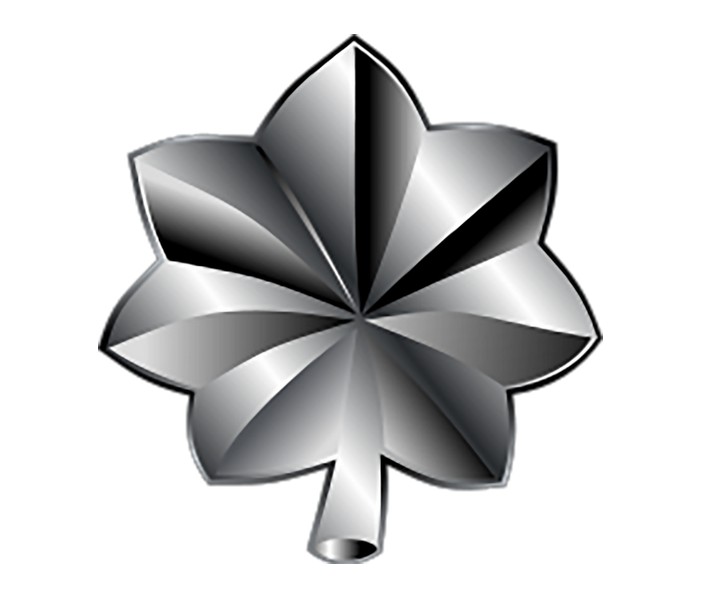
Lieutenant Colonel (O-5)
Lieutenant Colonels frequently command squadrons and are responsible for hundreds of people and major resources.
Expectations include:
- Strategic thinking
- Mentoring junior officers
- Accountability for mission success
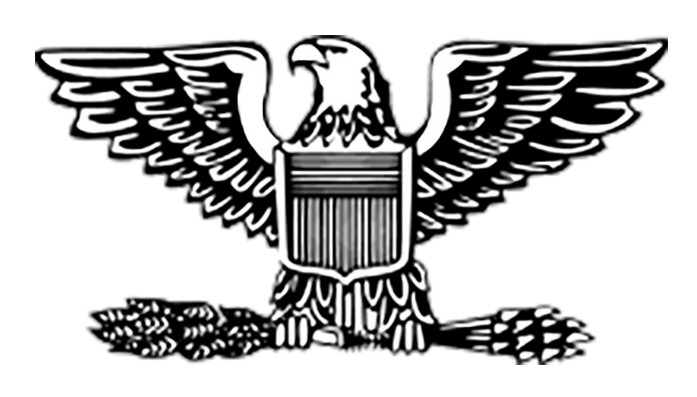
Colonel (O-6)
Colonels often lead wings or serve in high-level staff roles. Decisions at this level have lasting operational and institutional impact.
General Officer Ranks in the Air Force (O-7 to O-10)

Brigadier General (O-7)
One-star generals oversee large organizations and advise senior leaders on complex issues.

Major General (O-8)
Two-star generals manage major commands or serve as senior deputies at the national level.

Lieutenant General (O-9)
Three-star generals are responsible for major operational commands or joint assignments.

General (O-10)
Four-star generals provide top-level strategic leadership for the Air Force and the Department of Defense.
Air Force Officer Rank Insignia Explained
Air Force officer insignia are worn on shoulders or collars and use:
- Silver and gold bars
- Oak leaves
- Eagles
- Stars
Insignia instantly communicate rank, authority, and responsibility.
What Air Force Officers Actually Do at Each Rank
As rank increases, the focus shifts:
- Junior officers lead people directly
- Mid-grade officers manage systems and organizations
- Senior officers shape policy, strategy, and culture
Leadership becomes less hands-on and more strategic with each promotion.
How to get a Commission and Become an Air Force Officer
There are several primary paths to becoming an Air Force officer, including the U.S. Air Force Academy, Air Force ROTC, and Officer Training School (OTS). Each commissioning route has different requirements, timelines, and selection standards, but all are designed to prepare officers for leadership, responsibility, and service.
A full breakdown of these commissioning paths, including who each option is best suited for, is covered in this dedicated article:
👉 https://lifeisaspecialoperation.com/military-officer-commission/
You can also watch a detailed walk through of the commissioning process in this video (also hyperlinked at the end of the article):
👉 https://youtu.be/_r0olFrLfPQ
Both resources go deeper into eligibility, preparation, and what aspiring officers should realistically expect before committing to the process.
Requirements to Commission as an Air Force Officer
General requirements include:
- S. citizenship
- Bachelor’s degree
- Medical and fitness standards
- Background and character screening
Specific requirements vary by commissioning source and career field.
How Long It Takes to Promote Through Air Force Officer Ranks
Promotion timelines vary, but typical ranges include:
- O-1 to O-2: ~2 years
- O-2 to O-3: ~2 years
- O-3 to O-4: ~6–8 years total service
- Field grade promotions are competitive
Not everyone promotes at the same pace.
Air Force Officer Pay Grades and Benefits (Overview)
Air Force officer pay is determined primarily by pay grade (O-1 through O-10) and years of service, with base pay standardized across all branches of the U.S. military. As officers promote and accumulate time in service, their pay increases in predictable steps tied to federal military pay charts.
In addition to base pay, Air Force officers may receive benefits such as a housing allowance, comprehensive healthcare coverage, retirement eligibility, and education benefits. Because military compensation changes regularly and includes multiple variables, a full breakdown of current pay charts, allowances, and examples is covered in this dedicated resource:
👉 https://lifeisaspecialoperation.com/military-pay-2026/
That article explains how military pay actually works in real terms and includes updated charts to help readers understand what Air Force officers earn at each rank.
Leadership Expectations of Air Force Officers
Air Force officers are expected to lead organizations, not just people. From early in their careers, officers are responsible for planning, coordinating, and executing missions that depend on technical systems, tight timelines, and disciplined teams.
Unlike purely tactical leadership, Air Force leadership places heavy emphasis on organizational competence. Officers are expected to understand how their unit fits into a larger system, translate guidance into executable plans, and ensure those plans are carried out correctly. This often means managing processes, resources, and risk as much as directing people.
Clear communication is critical. Air Force officers must brief complex information accurately, write clearly, and make decisions that can be understood and executed across multiple levels of an organization. Ambiguity creates risk, and officers are expected to reduce it.
Officers are also accountable for standards, discipline, and professional development. They are responsible for setting expectations, correcting problems early, and ensuring their people are trained, supported, and ready. Leadership in the Air Force is measured less by charisma and more by reliability, consistency, and organizational effectiveness.
At every rank, Air Force officers are entrusted with authority because they are expected to use it responsibly. Leadership is not an additional duty—it is the core function of the job.
Frequently Asked Questions (FAQs) about Air Force Officer Ranks
Are there warrant officers in the Air Force?
Yes — the U.S. Air Force now has warrant officers.
While the Air Force eliminated warrant officers decades ago, it officially brought them back in the 2020s to support highly technical mission areas, starting with cyber and information operations.
Unlike traditional officers, Air Force warrant officers are not general leaders or commanders. Their role is to remain long-term technical specialists who provide expertise, stability, and mission continuity in complex systems the Air Force depends on.
Do all Air Force officers fly aircraft?
No, not all Air Force officers are pilots. While all pilots are officers, many officers serve in engineering, cyber, intelligence, space operations, logistics, medical, legal, and command roles. Leadership—not flying—is the common requirement across all officer career fields.
What is the highest Air Force officer rank?
The highest possible Air Force officer rank is General (O-10). Four-star generals serve in the most senior strategic leadership roles, often overseeing major commands or advising national leadership. Only a small number of officers ever reach this level.
How competitive is promotion through Air Force officer ranks?
Promotion becomes increasingly competitive after Captain (O-3). Field grade and general officer promotions depend on performance, leadership evaluations, timing, and Air Force needs—not just time served. Many capable officers do not promote simply because positions are limited.
What is the difference between Air Force officer ranks and enlisted ranks?
Officer ranks focus on leadership, command authority, and decision-making responsibility, while enlisted ranks emphasize technical execution and experience. Officers are accountable for missions, people, and resources, even when they are not the technical expert. The system is designed so authority and responsibility are clearly defined.
Can enlisted Airmen become Air Force officers?
Yes, enlisted Airmen can commission through programs such as Officer Training School or ROTC. This path is competitive and requires strong performance, recommendations, education, and leadership potential. Prior enlisted officers often bring valuable operational credibility to officer roles.
How long does it take to become a senior Air Force officer?
Reaching field grade officer ranks typically takes 10–16 years of service, depending on performance and promotion timing. Senior ranks beyond Colonel require decades of service and selection into extremely limited positions. There are no shortcuts.
Do Air Force officers automatically outrank enlisted personnel?
Yes, commissioned officers outrank enlisted members by rank structure. However, effective officers rely heavily on senior enlisted leaders for experience and technical expertise. Authority comes from rank, but credibility comes from competence and trust.
Why is understanding Air Force officer ranks important before commissioning?
Understanding officer ranks helps set realistic expectations about responsibility, authority, and career progression. It also clarifies how leadership, accountability, and promotion actually work inside the Air Force. For anyone considering commissioning, this knowledge prevents costly misunderstandings later.
Why Understanding Air Force Officer Ranks Matters
Knowing the rank structure helps you:
- Set realistic expectations
- Plan a career path
- Understand military leadership dynamics
For aspiring officers, clarity reduces uncertainty.
Key Takeaways
- Air Force officer ranks define authority and responsibility
- Promotions are competitive, not guaranteed
- Leadership expectations grow at every level
- Officers lead people, systems, and strategy
- Understanding ranks helps you plan and prepare
About the Author
Christopher Littlestone is an Airborne Ranger and retired U.S. Army Special Forces (Green Beret) Lieutenant Colonel. He has worked extensively with joint-service teams, including Air Force officers, throughout his career. Christopher runs the Life Is a Special Operation YouTube channel with over 45 million views and approximately 369,000 subscribers, teaches more than 4,000 students through Special Operations University, and maintains a 4.9-star Trustpilot rating for his courses and training programs.
Final Thoughts & Call to Action
Becoming an Air Force officer is about more than rank—it’s about responsibility, service, and leadership when it matters most.
If you’re preparing for that path, I highly recommend that you train your body, sharpen your mindset, and learn how real leaders think and plan.
If you’re serious about preparing for military service and becoming an officer, we have resources to help you achieve your goal:
- Train Up – Arrive Prepared for Military or Special Operations Training
- Special Operations Mindset – Develop a Champion’s Mindset
- Fitness Programs – Get into Amazing Shape
- Military Leadership Course – Become the Leader Everyone Respects
- Military Planning Course – Plan Like Your Life Depends on It
Stay the course. Lead with integrity. Earn your way.
Life is a Special Operation. Are you ready for it?

Watch our YouTube videos on this exact topic.
These three videos have earned more than 5.2 million combined views to date.

Training Preparation
Arrive Prepared for Military & Special Operations Training

Special Operations Mindset
Develop the Champion Mindset of the Best Trained and Most Elite Forces in the World

Fitness
Get into Amazing Shape

Elite Performance Skills
Win - Lead - Succeed