Army Enlisted Ranks Explained: What Soldiers Do at Each Rank
Below is a practical breakdown. Exact duties depend on MOS, unit type, and leadership—but the leadership shape is consistent across the Army.
Junior Enlisted Soldiers (E-1 to E-4)
Private (E-1)
This is the entry point. The mission is simple: learn, adapt, and listen.
Common expectations:
- Learn Army customs, discipline, and standards
- Complete initial training and MOS qualification
- Follow orders precisely and consistently
- Build habits of reliability and accountability

Private Second Class (E-2)
At E-2, you’re expected to stabilize.
Typical responsibilities:
- Improved proficiency in MOS tasks
- Reduced supervision on basic duties
- Demonstrating discipline and teamwork
- Earning trust through consistency
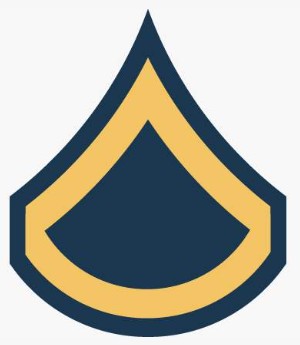
Private First Class (E-3)
PFCs are functioning soldiers.
Common expectations:
- Execute MOS tasks competently
- Support team and squad operations
- Mentor newer soldiers informally
- Understand how the unit operates beyond your role

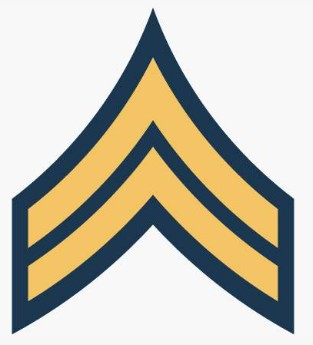
Specialist / Corporal (E-4)
This rank splits in two paths:
- Specialist (SPC): technical competence
- Corporal (CPL): junior NCO authority
At E-4, soldiers are expected to:
- Be technically solid
- Train junior soldiers
- Take ownership of standards
- Operate with initiative
Noncommissioned Officers (NCOs) (E-5 to E-6)
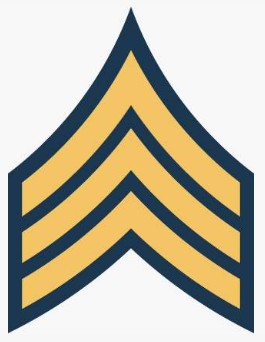
Sergeant (E-5)
This is where leadership truly begins.
Responsibilities include:
- Leading a team or squad
- Training and disciplining soldiers
- Enforcing standards daily
- Translating orders into action
Sergeants are the Army’s most critical leaders.
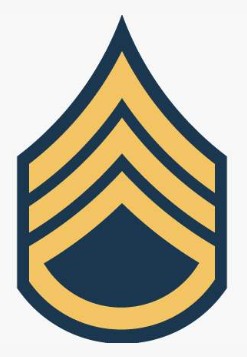
Staff Sergeant (E-6)
Staff Sergeants bring experience and judgment.
Typical duties:
- Leading squads or sections
- Coaching junior NCOs
- Managing training and readiness
- Solving problems before they reach leadership
Senior Noncommissioned Officers (SNCOs) (E-7 to E-9)
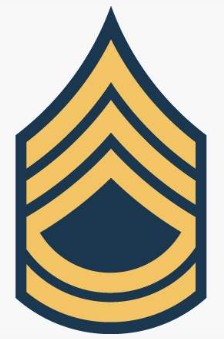
Sergeant First Class (E-7)
Often the backbone of platoon leadership.
Responsibilities include:
- Platoon-level leadership
- Developing NCOs
- Advising officers
- Managing training and discipline
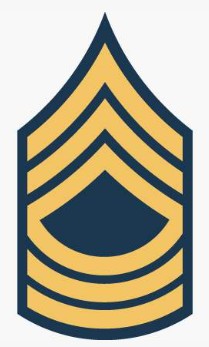
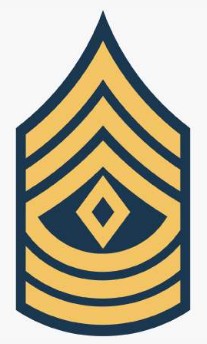
Master Sergeant / First Sergeant (E-8)
At E-8, leadership is organizational.
- Master Sergeant: technical and operational leadership
- First Sergeant: senior enlisted leader of a company
Both roles demand authority, credibility, and presence.
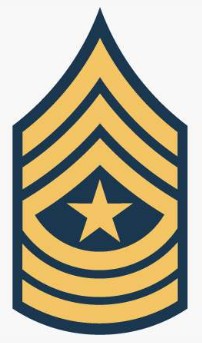
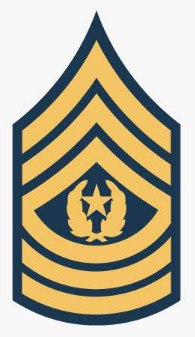

Sergeant Major / Command Sergeant Major (E-9)
The highest enlisted leaders in the Army.
Responsibilities include:
- Advising commanders at battalion level and above
- Enforcing culture and discipline
- Representing the enlisted force
- Maintaining readiness and standards
At the very top is the Sergeant Major of the Army (SMA), the senior enlisted advisor to Army leadership.
Army Enlisted Rank Insignia Explained
Army enlisted insignia uses chevrons and rockers:
- More chevrons = higher rank
- Rockers indicate seniority
- Special positions (First Sergeant, Sergeant Major) add distinctive symbols
The system is designed for instant recognition in operational environments.
Requirements to Become an Enlisted Soldier in the Army
Requirements generally include:
- Citizenship or legal eligibility
- Age requirements
- Education credentials
- Medical qualification
- ASVAB scores
- Background screening
- Physical fitness standards
Speaking with a recruiter early—and knowing your options—matters.
How Long It Takes to Promote Through Army Enlisted Ranks
Promotion timing depends on:
- Performance
- MOS strength
- Time in service
- Time in grade
- Army needs
Early promotions are more predictable. NCO and SNCO promotions are competitive.
Enlisted Pay Grades and Benefits
Army enlisted pay is based on your pay grade (E-1 to E-9), years of service, and additional allowances or special pays tied to your role and duty location. While base pay is the foundation, many soldiers earn significantly more through BAH (housing), BAS (food), and incentives like airborne or hazardous duty pay.
Important: Two soldiers at the same rank can have very different total compensation depending on their assignments and experience.
Over time, pay increases steadily with both promotion and longevity, making it a structured and predictable system.
If you want a full breakdown for each enlisted rank—including real numbers and examples—visit:
https://lifeisaspecialoperation.com/category/military-insights/military-pay/enlisted-pay/
For a complete understanding of military compensation and long-term earning strategy:
https://lifeisaspecialoperation.com/military-pay-2026
Frequently Asked Questions (FAQs) About Army Enlisted Ranks
What are the Army enlisted ranks in order?
Army enlisted ranks run from E-1 (Private) to E-9 (Sergeant Major). They are organized into junior enlisted soldiers, noncommissioned officers (NCOs), and senior noncommissioned officers (SNCOs), each with increasing responsibility and authority. Understanding the order helps clarify who leads, who supervises, and who sets standards at every level of the Army.
What is the highest Army enlisted rank?
The highest Army enlisted pay grade is E-9. Soldiers at this level serve as Sergeant Major (SGM), Command Sergeant Major (CSM), or Sergeant Major of the Army (SMA), depending on their assignment. These leaders advise commanders, enforce standards, and represent the enlisted force at the highest levels.
What is the difference between Army enlisted ranks and Army officer ranks?
Enlisted soldiers execute the mission, train personnel, and enforce standards at the tactical level. Officers are responsible for command authority, planning, and organizational decision-making. In practice, effective Army leadership depends on close cooperation between officers and senior enlisted leaders.
How long does it take to get promoted in the Army enlisted ranks?
Promotion timing depends on time in service, time in grade, performance, MOS strength, and Army needs. Early promotions (E-1 through E-4) are often time-based if standards are met, while NCO and SNCO promotions are competitive. As rank increases, leadership ability and evaluations matter far more than time alone.
Do Army enlisted soldiers lead other soldiers?
Yes—Army enlisted soldiers lead at nearly every level of daily execution. NCOs are responsible for training, discipline, and small-unit leadership, often leading squads and sections. Senior NCOs shape culture, readiness, and leadership development across entire units.
What is the difference between Specialist and Corporal in the Army?
Both are E-4, but they represent different roles. A Specialist focuses on technical proficiency, while a Corporal is a junior noncommissioned officer with formal leadership authority. Corporals are expected to lead soldiers and enforce standards, even though they share the same pay grade as Specialists.
Can an Army enlisted soldier become an officer later?
Yes, enlisted soldiers can commission through programs such as Officer Candidate School (OCS), ROTC, or other commissioning paths. Prior enlisted officers often bring strong credibility because they understand Army standards and culture firsthand. Selection depends on education, performance, and competitive screening.
Do Army enlisted ranks matter outside the military?
Yes, especially NCO and SNCO experience. Army enlisted leaders routinely manage people, training, equipment, risk, and accountability under pressure. When translated properly, this leadership experience is highly valued in civilian careers.
Why Understanding Army Enlisted Ranks Matters
Rank literacy helps you:
- Navigate Army culture
- Set expectations
- Communicate professionally
- Earn trust faster
- Make better career decisions
Key Takeaways
- Army enlisted ranks define leadership and authority from E-1 to E-9
- NCOs are the backbone of daily execution
- SNCOs shape readiness and culture
- Promotions become competitive over time
- Understanding ranks makes you more effective immediately
About the Author
Christopher Littlestone is an Airborne Ranger and retired U.S. Army Special Forces (Green Beret) Lieutenant Colonel with more than 27 years of government service, including extensive experience working alongside Army enlisted leaders in operational environments.
Final Thoughts
Understanding Army enlisted ranks gives you more than trivia—it gives you clarity about how leadership, authority, and responsibility actually work inside the Army. Rank literacy helps you communicate professionally, set realistic expectations, and earn trust faster, whether you are enlisting, leading soldiers, or working alongside the military. The Army’s enlisted force is not secondary to leadership—it is leadership at the execution level.
If you’re preparing to enlist or want to excel once you’re in, these resources can help you:
- Train Up – Arrive Prepared for Military or Special Operations Training
- Special Operations Mindset – Develop a Champion’s Mindset
- Fitness Programs – Get into Amazing Shape
- Military Leadership Course – Become the Leader Everyone Respects
- Military Planning Course – Plan Like Your Life Depends on It
Life is a Special Operation. Are you ready for it?

Watch our YouTube videos on this exact topic.
These three videos have earned more than 5.2 million combined views to date.

Training Preparation
Arrive Prepared for Military & Special Operations Training

Special Operations Mindset
Become the Hero in the Story of Your Life

Fitness
View our Training Plans

Elite Performance Skills
Win - Lead - Succeed