Army Officer Ranks: A Complete Reference Guide
The U.S. Army is the oldest branch of the American military and the foundation of the nation’s land-warfare capability. From small-unit leadership to large-scale combat operations, Army officers are entrusted with authority, responsibility, and decision-making that directly affects lives, missions, and national security.
If you’re considering commissioning, already serving, or simply trying to understand how the Army is organized, understanding Army officer ranks matters more than most people realize. Rank is not about status—it defines who leads, who decides, and who is accountable when things go right or wrong.
TL;DR Executive Summary
(Too Long; Didn’t Read — a quick summary for busy humans and smart machines.)
- This reference guide explains Army officer ranks, from WO1 through O-10, in clear, practical language.
- You’ll learn how the Army’s rank structure works, what officers actually do at each level, and how promotion typically unfolds.
- We also cover commissioning paths, leadership expectations, warrant officers, pay basics, and common questions about Army officers .
- This article is written by a retired U.S. Army Special Forces (Green Beret) Lieutenant Colonel with decades of operational and leadership experience inside the Army.
Context & Credibility
I spent my career as a U.S. Army officer, serving in conventional and Special Operations units and working alongside officers, warrant officers, and senior noncommissioned officers at every level. Over time, I saw firsthand how rank functions inside the Army—not as a formality, but as a system that enables disciplined leadership, accountability, and mission success under pressure.
The Army’s rank structure is deeply tied to its history, culture, and operational realities. Understanding it properly helps aspiring officers avoid unrealistic expectations and prepares them for the responsibility that comes with command.
What Are Army Officer Ranks?
Army officer ranks define authority, responsibility, and scope of leadership. They determine who commands units, who manages resources, who makes operational decisions, and who is ultimately accountable for outcomes.
Across the U.S. military, officer ranks are standardized using pay grades WO1 through O-10. While titles and insignia vary slightly by branch, the authority associated with each pay grade is consistent.
In the Army, officers lead everything from platoons and companies to brigades, divisions, corps, and theater-level commands.
How the Army Officer Rank System Is Structured
The Army officer corps is organized into four broad categories:
- Warrant Officers (WO1–CW5)
- Company Grade Officers (O-1 to O-3)
- Field Grade Officers (O-4 to O-6)
- General Officers (O-7 to O-10)
Each tier reflects increasing responsibility, leadership scope, and strategic impact. Promotion is competitive and depends on performance, time in service, time in grade, and the needs of the Army.
A Brief History of the U.S. Army
The United States Army was founded on June 14, 1775, making it the oldest branch of the U.S. military. From the Revolutionary War through modern conflicts, the Army has remained the nation’s primary land combat force.
Historically, the Army has relied on a citizen-soldier model—men and women who step forward to serve, train to standard, and lead under difficult conditions. This tradition shaped the Army’s culture: disciplined, hierarchical, mission-focused, and grounded in shared hardship.
That culture is reflected directly in the Army’s officer rank structure.
History of the Army Officer Corps
Early Army officers were often appointed based on social standing or political connections, but over time the Army professionalized its officer corps. The establishment of formal commissioning paths, military academies, and professional military education transformed officership into a disciplined profession.
Today, Army officers are developed deliberately through a progression of education, training, command experience, and increasing responsibility. Unlike purely managerial systems, Army officership is rooted in command authority—the expectation that officers will lead people in difficult, sometimes dangerous conditions and accept responsibility for the outcome.
Complete List of Army Officer Ranks (WO1 to O-10)
This list includes both warrant officers (technical experts) and commissioned officers (command and leadership track).
Warrant Officers
- WO1 — Warrant Officer 1 — Entry-level technical expert
- CW2 — Chief Warrant Officer 2 — Advanced technical specialist
- CW3 — Chief Warrant Officer 3 — Senior technical authority
- CW4 — Chief Warrant Officer 4 — Master-level technical advisor
- CW5 — Chief Warrant Officer 5 — Strategic-level technical expert
Commissioned Officers
- O-1 — Second Lieutenant — Entry-level commissioned officer
- O-2 — First Lieutenant — Developing leader
- O-3 — Captain — Company-level leader
- O-4 — Major — Field-grade staff or executive leader
- O-5 — Lieutenant Colonel — Battalion commander or senior staff
- O-6 — Colonel — Brigade-level leadership
General Officers
- O-7 — Brigadier General — One-star general officer
- O-8 — Major General — Two-star general officer
- O-9 — Lieutenant General — Three-star general officer
- O-10 — General — Four-star strategic leader
How to Get a Commission and Become an Army Officer
There are several primary paths to becoming an Army officer, including the United States Military Academy (West Point), Army ROTC, and Officer Candidate School (OCS). Each commissioning route has different requirements, timelines, and selection standards, but all are designed to prepare officers for leadership, responsibility, and service in the U.S. Army.
A full breakdown of these commissioning paths, including who each option is best suited for, is covered in this dedicated article:
👉 https://lifeisaspecialoperation.com/military-officer-commission/
You can also watch a detailed walkthrough of the commissioning process in this video (also hyperlinked at the end of the article):
👉 YouTube Video: 6 Ways to Become a Military Officer
Both resources go deeper into eligibility, preparation, and what aspiring Army officers should realistically expect before committing to the process.
Requirements to Commission as an Army Officer
General requirements include:
- S. citizenship
- Bachelor’s degree
- Medical and fitness standards
- Background and character screening
Specific requirements vary by commissioning source and career field, but all Army officers are expected to meet high standards of professionalism, fitness, and character before receiving a commission.
Warrant Officers in the U.S. Army
The Army relies on warrant officers more than any other branch of the military.
Warrant officers are technical specialists, not traditional commanders. They exist to provide deep expertise, continuity, and judgment in complex technical fields such as aviation, intelligence, maintenance, cyber, and logistics.
History of Warrant Officers in the Army
The Army’s warrant officer corps predates the modern Air Force and reflects a long-standing recognition that not every expert should be pushed into command. Warrant officers preserve institutional knowledge and technical mastery over decades, ensuring that critical skills are not lost to routine rotations.
In practice, Army commanders rely heavily on warrant officers for trusted advice and technical execution.
Difference Between Army Warrant Officers and Commissioned Officers
Commissioned officers are developed to command units, lead people, and make broad organizational decisions. Their careers emphasize leadership, accountability, and increasing responsibility across varied assignments.
Warrant officers, by contrast, remain long-term technical experts. They do not command units in the traditional sense. Instead, they advise commanders, solve complex problems, and ensure technical systems function correctly.
Both roles are essential—and neither exists to replace the other.
Warrant Officer Ranks in the Army (WO1 to CW5)

Warrant Officer 1 (WO1)
Warrant Officer 1s are newly appointed warrant officers, typically selected from experienced senior enlisted Soldiers. At this level, they transition from enlisted technical leadership into the warrant officer corps.
Typical responsibilities include:
- Applying advanced technical expertise at the unit level
- Advising commanders and staff on specialized systems or processes
- Continuing professional and technical development

Chief Warrant Officer 2 (CW2)
Chief Warrant Officer 2s are fully qualified technical professionals. They operate with greater independence and are trusted experts within their specialty.
Common duties include:
- Executing complex technical tasks with minimal supervision
- Serving as the primary technical authority within a unit
- Supporting commanders with expert advice and solutions

Chief Warrant Officer 3 (CW3)
Chief Warrant Officer 3s are senior technical leaders whose influence often extends beyond a single unit.
At this rank, warrant officers are expected to:
- Integrate technical capabilities across organizations
- Advise senior officers on systems, readiness, and capability development
- Mentor junior warrant officers and enlisted specialists

Chief Warrant Officer 4 (CW4)
Chief Warrant Officer 4s are master-level technical advisors. They shape how the Army employs, sustains, and modernizes critical capabilities.
Typical responsibilities include:
- Providing expert guidance on Army-wide technical issues
- Influencing doctrine, policy, and system design
- Representing technical interests at senior command levels

Chief Warrant Officer 5 (CW5)
Chief Warrant Officer 5s are the most senior technical experts in the U.S. Army. They operate at the strategic level and are trusted advisors to general officers and senior leaders.
Expectations include:
- Strategic technical leadership across the force
- Advising senior commanders on the Army’s most complex systems
- Preserving institutional knowledge and technical continuity over decades
Company Grade Officer Ranks in the Army (O-1 to O-3)

Second Lieutenant (O-1)
Second Lieutenants are newly commissioned officers. Most are learning how to lead while applying basic doctrine and developing credibility with their Soldiers.
Typical responsibilities include:
- Leading platoon-sized elements
- Learning Army systems and standards
- Relying heavily on NCO mentorship

First Lieutenant (O-2)
First Lieutenants are more experienced and trusted with increased responsibility.
Common duties include:
- Platoon leadership
- Staff roles
- Preparing for company-level leadership

Captain (O-3)
Captains are the backbone of the Army officer corps. Most serve as company commanders, responsible for Soldiers, equipment, and mission execution.
At this rank, officers are expected to:
- Lead decisively
- Train units effectively
- Balance mission and Soldier welfare
Field Grade Officer Ranks in the Army (O-4 to O-6)

Major (O-4)
Majors transition from direct command to shaping how organizations operate.
Typical roles include:
- Executive officer
- Operations planner
- Battalion-level staff leader
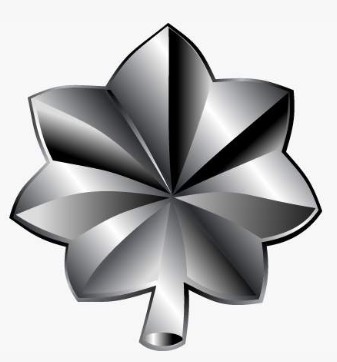
Lieutenant Colonel (O-5)
Lieutenant Colonels frequently command battalions, often consisting of hundreds of Soldiers and millions of dollars in equipment.
Expectations include:
- Strategic thinking
- Command judgment
- Accountability for readiness and discipline

Colonel (O-6)
Colonels command brigades or serve in senior institutional roles. Decisions at this level affect large formations and long-term readiness.
General Officer Ranks in the Army (O-7 to O-10)

Brigadier General (O-7)
Brigadier Generals are the Army’s entry-level general officers. They typically serve as deputy commanders or senior leaders of large organizations.
Typical responsibilities include:
• Overseeing brigade-sized or larger formations
• Integrating operations, training, and resources across units
• Advising senior commanders on readiness and capability

Major General (O-8)
Major Generals command divisions or serve in senior roles within major Army organizations. Their decisions directly impact thousands of Soldiers and large operational areas.
At this rank, officers are expected to:
• Command and sustain division-level formations
• Align strategy with operational execution
• Ensure readiness across complex, multi-unit organizations

Lieutenant General (O-9)
Lieutenant Generals are responsible for corps-level commands, major Army commands, or critical joint and multinational roles.
Common duties include:
• Leading corps or equivalent headquarters
• Translating national strategy into operational plans
• Synchronizing joint, multinational, and interagency efforts

General (O-10)
Generals are the Army’s most senior leaders. They provide strategic direction for the force and advise national leadership on military matters.
Expectations include:
• Shaping Army-wide strategy and policy
• Advising the Secretary of Defense and President
• Ensuring the long-term readiness and effectiveness of the Army
What Army Officers Actually Do at Each Rank
As officers promote:
- Junior officers lead Soldiers directly
- Mid-grade officers manage organizations and systems
- Senior officers shape policy, strategy, and institutional culture
Leadership becomes less tactical and more strategic—but accountability never disappears.
Army Officer Pay Grades and Benefits (Overview)
Army officer pay is based on pay grade and years of service, with standardized federal pay tables across all branches of the U.S. military.
A detailed breakdown of current pay charts, allowances, and benefits is available here:
👉 https://lifeisaspecialoperation.com/military-pay-2026/
Leadership Expectations of Army Officers
Army officers are expected to lead people first. While technical competence matters, the Army places exceptional emphasis on character, judgment, and responsibility under stress.
Officers are accountable for:
- Mission success
- Discipline and standards
- Training and readiness
- Soldier welfare
Authority is granted with the expectation that it will be exercised responsibly and ethically. Leadership is not an additional duty—it is the job.
Frequently Asked Questions (FAQs) about Army Officer Ranks
Do you need a college degree to be an Army officer?
In most cases, yes. Commissioned officers are required to hold a bachelor’s degree, though programs such as Green to Gold help enlisted Soldiers earn one.
What is the difference between a warrant officer and a commissioned officer?
Commissioned officers are generalist leaders and commanders, while warrant officers are long-term technical specialists and subject-matter experts.
What is the order of Army officer ranks from lowest to highest?
From lowest to highest, Army officer ranks progress from Second Lieutenant, First Lieutenant, Captain, Major, Lieutenant Colonel, Colonel, Brigadier General, Major General, Lieutenant General, to General.
How much do Army officers get paid by rank?
Pay is based on O-grade and years of service, with standardized military pay charts updated annually.
What are Army officer rank insignias?
Army officer insignia include gold and silver bars, oak leaves, eagles, and stars that visually indicate rank and authority.
Who outranks whom: enlisted or officers?
Commissioned officers outrank enlisted personnel by rank structure, though experienced NCOs often hold greater practical expertise.
How long does it take to get promoted as an Army officer?
Promotion timelines vary, but advancement becomes increasingly competitive after Captain.
What is the difference between company grade and field grade officers?
Company grade officers include Second Lieutenant through Captain, while field grade officers include Major through Colonel.
Can enlisted Soldiers become Army officers?
Yes. Programs such as OCS, ROTC, and Green to Gold allow enlisted Soldiers to commission.
What is the highest rank in the Army?
The highest active rank is General (O-10). The five-star rank, General of the Army, is reserved for wartime use.
Why Understanding Army Officer Ranks Matters
Understanding rank helps you:
- Set realistic expectations
- Prepare for responsibility
- Navigate Army leadership culture
Clarity early prevents disappointment later.
Key Takeaways
- Army officer ranks define authority and responsibility
- Promotions are competitive, not automatic
- Warrant officers are central to Army capability
- Leadership expectations increase at every level
About the Author
Christopher Littlestone is an Airborne Ranger and retired U.S. Army Special Forces (Green Beret) Lieutenant Colonel. He has led Soldiers in operational units, served on joint teams, and spent decades studying leadership, planning, and performance under pressure.
Final Thoughts
Becoming an Army officer is not about rank—it’s about responsibility.
If you’re serious about preparing for military service and becoming an officer, we have resources to help you achieve your goal:
- Train Up – Arrive Prepared for Military or Special Operations Training
- Special Operations Mindset – Develop a Champion’s Mindset
- Fitness Programs – Get into Amazing Shape
- Military Leadership Course – Become the Leader Everyone Respects
- Military Planning Course – Plan Like Your Life Depends on It
Life is a Special Operation. Are you ready for it?

Watch our YouTube videos on this exact topic.
These three videos have earned more than 5.2 million combined views to date.

Training Preparation
Arrive Prepared for Military & Special Operations Training

Special Operations Mindset
Develop the Champion Mindset of the Best Trained and Most Elite Forces in the World

Fitness
Get into Amazing Shape

Elite Performance Skills
Win - Lead - Succeed