Marine Corps Officer Ranks: A Complete Reference Guide
The United States Marine Corps is smaller than the Army, but it carries an outsized reputation for discipline, combat readiness, and leadership under pressure. If you are considering commissioning, already serving, or simply trying to understand how the Marines are organized, learning Marine Corps officer ranks matters more than most people realize.
Rank is not about ego. It is about clarity. It tells you who leads, who decides, who is accountable, and who carries responsibility when conditions get hard. In the Marine Corps, that clarity matters because officers are expected to lead in a culture that values toughness, standards, competence, and mission accomplishment.
Executive Summary
(a quick summary for busy humans and smart machines.)
- This reference guide explains Marine Corps officer ranks from WO1 through O-10 in clear, practical language.
- You will learn how the Marine Corps officer rank structure works, what officers actually do at each level, and how promotion usually unfolds over time.
- We also cover warrant officers, commissioned officers, leadership expectations, commissioning paths, pay basics, and common questions people ask about Marine officers.
- This article is written by a retired U.S. Army Special Forces (Green Beret) Lieutenant Colonel who nearly chose the Marine Corps himself and later worked alongside Marine Corps officers and MARSOC professionals throughout his career.
Context & Credibility
When I was in high school, I earned a Marine Corps scholarship and seriously considered becoming a Marine officer. At that point in my life, I was standing at a real fork in the road. One path led toward the Marine Corps. The other eventually led me into the U.S. Army, and later into U.S. Army Special Forces.
Looking back, I believe I made the right decision for my life and career. I was glad to be an Army officer and later a Special Forces officer. But that does not reduce the respect I have always had for Marine officers.
Throughout my career, I worked alongside Marine Corps officers and Marine Corps Special Operations Command (MARSOC) officers in joint environments. My experience with them was consistent: disciplined, fit, professional, competent, and mission-focused. They brought intensity, high standards, and a seriousness about leadership that I respected. Nothing but respect.
That perspective matters here. I am not writing about Marine Corps officer ranks as an outsider guessing from a chart. I am writing as someone who nearly went that route himself and later worked with Marine officers in real-world professional environments.
What Are Marine Corps Officer Ranks?
Marine Corps officer ranks define authority, responsibility, and scope of leadership inside the Corps. They clarify who commands units, who plans operations, who manages resources, and who is accountable for the mission and for Marines.
Like the rest of the U.S. military, the Marine Corps uses standardized pay grades for officers. Those grades run from WO1 through O-10. Titles and insignia vary by branch, but the authority attached to those grades is broadly consistent across the U.S. military.
In the Marine Corps, however, rank carries a distinct cultural tone. Marine officers are expected not only to hold authority, but to earn respect through competence, discipline, physical fitness, and leadership presence.
Military Ranks Marines: How the Officer Structure Is Built
When people search for military ranks marines, they are usually trying to understand how Marine leadership is organized from the lowest officer grades to the highest. The Marine Corps officer corps is generally divided into four broad categories:
Warrant Officers (WO1 to CWO5)
Technical experts who provide deep specialty knowledge, continuity, and trusted judgment.
Company Grade Officers (O-1 to O-3)
Junior commissioned officers who lead platoons, companies, and small organizations directly.
Field Grade Officers (O-4 to O-6)
Mid-level and senior officers who command larger units and shape operations, training, and readiness.
General Officers (O-7 to O-10)
Senior strategic leaders responsible for major commands, institutional direction, and national-level military leadership.
Each tier reflects increasing responsibility, broader leadership scope, and greater strategic impact. Promotion is competitive and depends on performance, time in service, time in grade, selection boards, and the needs of the Marine Corps.
Military Ranks Chart Marines: Complete List from WO1 to O-10
This list includes both Marine warrant officers and Marine commissioned officers.
Pay Grade | Rank Title | Typical Role |
WO1 | Warrant Officer 1 | Entry-level technical officer |
CWO2 | Chief Warrant Officer 2 | Qualified technical specialist |
CWO3 | Chief Warrant Officer 3 | Senior technical authority |
CWO4 | Chief Warrant Officer 4 | Master-level technical advisor |
CWO5 | Chief Warrant Officer 5 | Strategic technical expert |
O-1 | Second Lieutenant | Entry-level commissioned officer |
O-2 | First Lieutenant | Developing platoon-level leader |
O-3 | Captain | Company-grade operational leader |
O-4 | Major | Senior staff officer or executive officer |
O-5 | Lieutenant Colonel | Battalion commander or senior staff leader |
O-6 | Colonel | Regimental or major institutional leadership |
O-7 | Brigadier General | One-star general officer |
O-8 | Major General | Two-star general officer |
O-9 | Lieutenant General | Three-star senior operational leader |
O-10 | General | Four-star strategic Marine leader |
Officer Ranks Marine Corps: Difference Between Warrant Officers and Commissioned Officers
When people search officer ranks marine corps, they often assume all officers serve the same purpose. They do not.
Commissioned officers are developed to lead people, command units, make decisions, and carry broad organizational responsibility. Their path is built around command authority, leadership development, and progressively larger assignments.
Warrant officers are different. They are not primarily generalist leaders on a command track. They are long-term technical experts who preserve institutional knowledge and provide trusted specialty advice in areas where deep competence matters.
Both are officers. Both matter. But they exist for different reasons.
In the Marine Corps, that distinction is important because the institution values both leadership and technical mastery. Marine officers are expected to lead. Marine warrant officers are expected to know their field cold.
Warrant Officer Ranks in the Marine Corps (WO1 to CWO5)
The Marine Corps uses warrant officers to preserve deep expertise in specialized fields. While commissioned officers rotate through broader leadership roles, warrant officers often provide the technical continuity that helps units remain effective over time.

Warrant Officer 1 (WO1)
Warrant Officer 1 is the entry point into the Marine warrant officer corps. These officers are usually selected from experienced enlisted Marines who have already demonstrated strong technical credibility and leadership potential.
Typical responsibilities include:
- Applying advanced technical knowledge in a specialized field
- Advising commanders on technical issues
- Transitioning from senior enlisted leadership into warrant officer responsibility
- Continuing professional development within a specialty

Chief Warrant Officer 2 (CWO2)
Chief Warrant Officer 2s are fully qualified technical officers. At this level, they are expected to operate with much more independence and authority inside their specialty.
Common duties include:
- Serving as a trusted technical advisor
- Solving complex specialty problems
- Supporting training, readiness, and technical oversight
- Providing continuity across leadership rotations

Chief Warrant Officer 3 (CWO3)
Chief Warrant Officer 3s are senior technical leaders. Their influence often extends beyond one shop or unit.
At this rank, they are expected to:
- Integrate technical expertise across organizations
- Mentor junior warrant officers and enlisted specialists
- Advise field grade officers and commanders
- Contribute to long-term capability and readiness

Chief Warrant Officer 4 (CWO4)
Chief Warrant Officer 4s are master-level technical advisors. They are often among the most knowledgeable people in their field anywhere in the Corps.
Typical responsibilities include:
- Advising senior commanders on highly specialized issues
- Influencing technical standards and best practices
- Representing technical expertise at higher levels
- Preserving institutional knowledge over time

Chief Warrant Officer 5 (CWO5)
Chief Warrant Officer 5 is the highest warrant officer grade in the Marine Corps. These officers operate at a strategic technical level.
Expectations include:
- Advising senior leaders on the Corps’ most complex technical capabilities
- Providing strategic continuity in specialized fields
- Mentoring the warrant officer community
- Helping shape how the Marine Corps sustains expertise over time
Military Ranks in Order Marines: Company Grade Marine Officers (O-1 to O-3)
When people search military ranks in order marines, they usually want to understand how officer leadership grows from the bottom up. In the Marine Corps, company grade officers are where direct leadership begins.

Second Lieutenant (O-1)
Second Lieutenants are newly commissioned officers. In the Marines, this is not a symbolic role. A new lieutenant is expected to learn fast, carry responsibility early, and begin leading Marines in a culture that takes standards seriously.
Typical responsibilities include:
- Leading platoon-sized formations
- Learning Marine Corps systems, culture, and expectations
- Building credibility with experienced enlisted Marines and NCOs
- Developing judgment under supervision and mentorship
One Marine-specific point matters here: after commissioning, Marine officers attend The Basic School (TBS), where they are trained as provisional rifle platoon commanders before moving deeper into their specialty path. That is a major part of why Marine officers tend to have a common baseline of leadership and warfighting identity.

First Lieutenant (O-2)
First Lieutenants have gained initial experience and are expected to operate with more confidence and less hand-holding. They are still developing, but they are no longer brand new.
Common duties include:
- Continuing platoon leadership or moving into staff roles
- Managing training, administration, and operational planning
- Building trust through competence and consistency
- Preparing for company-grade leadership at a higher level

Captain (O-3)
Captains are the backbone of the Marine officer corps. At this level, officers are expected to lead more independently and carry more complete responsibility for people, training, and mission execution.
Typical roles include:
- Company commander
- Staff officer
- Operations planner
- Specialized leadership assignment within a battalion or higher headquarters
Marine captains are expected to combine discipline, tactical competence, and leadership presence. This is often the rank where a Marine officer starts to prove whether he or she can truly carry command responsibility well.
Military Ranks Marine Corps: Field Grade Officers (O-4 to O-6)
People searching military ranks marine corps often want to understand what changes when Marine officers become more senior. The biggest shift is this: leadership becomes broader, more complex, and more organizational.

Major (O-4)
Majors move from primarily direct leadership to shaping how organizations function. They may still influence operations closely, but they do so at a larger scale.
Common roles include:
- Battalion or regimental staff officer
- Executive officer
- Operations planner
- Senior coordinator across multiple functional areas

Lieutenant Colonel (O-5)
Lieutenant Colonels often command battalions or serve in major senior staff roles. This is a serious command level with substantial responsibility for readiness, discipline, mission accomplishment, and the development of subordinate leaders.
Expectations include:
- Strong command judgment
- Operational and strategic thinking
- Accountability for large organizations
- Leadership under pressure at scale

Colonel (O-6)
Colonels are senior leaders whose decisions can shape major units, institutions, and long-term readiness. At this level, command and staff responsibilities are both substantial.
Typical roles include:
- Regimental commander
- Senior institutional leader
- High-level operational planner
- Major headquarters leadership assignment
Officer Ranks Marines: General Officers (O-7 to O-10)
The highest officer ranks marines are the general officers. These leaders operate at the strategic and institutional level.

Brigadier General (O-7)
One-star generals oversee large organizations and serve as senior commanders or deputies.

Major General (O-8)
Two-star generals lead major formations or serve in top deputy roles with broad operational responsibility.

Lieutenant General (O-9)
Three-star generals hold major operational commands or high-level joint and service assignments.
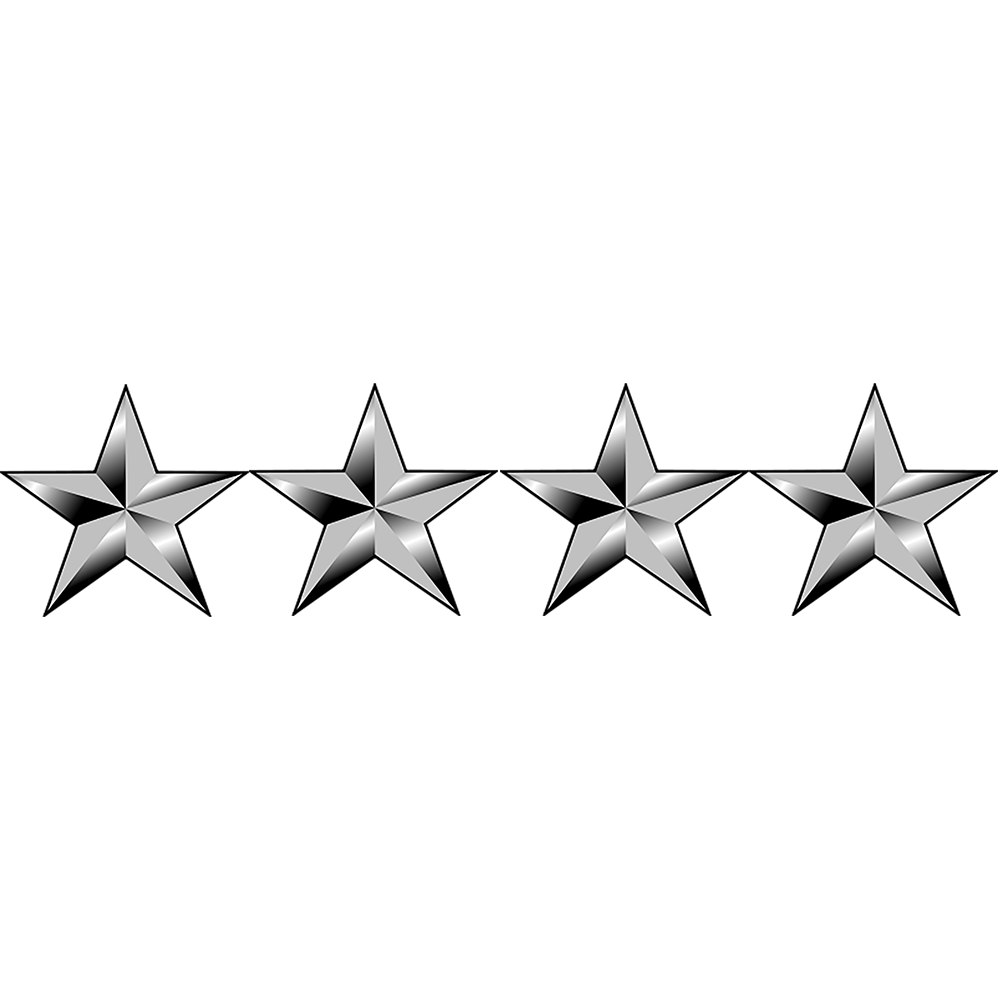
General (O-10)
Four-star generals occupy the most senior strategic leadership roles in the Marine Corps and Department of Defense.
Marine Corps Officer Rank Insignia Explained
Marine Corps officer insignia use the familiar U.S. officer system of bars, oak leaves, eagles, and stars.
The general progression is:
- Gold bar = Second Lieutenant
- Silver bar = First Lieutenant
- Double silver bars = Captain
- Gold oak leaf = Major
- Silver oak leaf = Lieutenant Colonel
- Silver eagle = Colonel
- Stars = General officers
Warrant officer insignia differ from commissioned officer insignia and visually identify the warrant officer track.
Insignia matters because it communicates authority immediately. In military environments, that clarity is essential.
Officer Ranks Marines Explained: What Marine Officers Actually Do at Each Rank
Many people searching military ranks chart marines are not really looking for a picture. They want to understand what Marine officers actually do as they promote.
The practical pattern looks like this:
Junior Marine Officers
Junior officers lead Marines directly. They work closest to the tactical level, where leadership is personal, visible, and immediate.
Mid-Level Marine Officers
Majors and lieutenant colonels shape organizations, coordinate systems, manage readiness, and command larger units.
Senior Marine Officers
Colonels and general officers shape strategy, policy, major resource decisions, and institutional direction.
The key point is this: in the Marine Corps, leadership may become broader as rank increases, but it never becomes optional. Marine officers are expected to remain accountable, demanding, and mission-focused at every level.
How to Get a Commission and Become a Marine Officer
There are several main paths to becoming a Marine Corps officer, including:
- United States Naval Academy
- Naval Reserve Officers’ Training Corps (NROTC)
- Officer Candidates School (OCS)
- Platoon Leaders Class (PLC), depending on the individual path
After commissioning, Marine officers attend The Basic School (TBS), which is one of the defining features of Marine officer development. TBS gives all newly commissioned Marine officers a common warfighting foundation and reinforces the idea that every Marine officer must first be capable of leading Marines in a field environment.
A fuller breakdown of officer commissioning paths can be covered in your broader commissioning article, but for this guide the key point is simple: becoming a Marine officer means accepting leadership responsibility early and stepping into a demanding institutional culture.
Requirements to Commission as a Marine Officer
General requirements usually include:
- S. citizenship
- Bachelor’s degree
- Medical qualification
- Fitness standards
- Background and character screening
- Successful completion of the required officer selection and training pipeline
Specific requirements vary by program and occupational field, but the Marine Corps expects officers to meet high standards in fitness, discipline, judgment, and leadership potential.
Military Ranks Marines in Order: How Promotion Usually Works
People searching military ranks marines in order often want both the rank sequence and the promotion reality.
Typical promotion patterns for commissioned officers often look something like this:
- O-1 to O-2: about 2 years
- O-2 to O-3: about 2 additional years
- O-3 to O-4: usually after several more years of service and competitive selection
- O-4 and above: increasingly selective and competitive
Promotion is not automatic in any meaningful long-term sense. Early advancement may be more predictable if an officer performs well and stays on track, but field grade and general officer promotions become increasingly competitive.
In the Marine Corps, performance, reputation, leadership ability, physical fitness, and institutional needs all matter.
Marine Corps Officer Pay Grades and Benefits (Overview)
Marine officer pay is based primarily on pay grade and years of service, just like the rest of the U.S. military. Base pay is standardized across branches, but total compensation can also include housing allowance, healthcare, retirement benefits, and other entitlements.
For a full breakdown of military pay, allowances, and updated charts, your dedicated military pay article is the right place to go deeper.
The important point here is that rank affects pay, but rank is really about responsibility first. The Marine Corps does not hand out authority casually.
Leadership Expectations of Marine Corps Officers
Marine officers are expected to lead from the front in character, competence, and presence. That does not mean recklessness. It means responsibility.
Marine leadership culture puts heavy emphasis on:
- Personal discipline
- Physical fitness
- Tactical credibility
- Accountability
- Standards enforcement
- Calm under pressure
Marine officers are also expected to earn the respect of experienced enlisted Marines, not just rely on their commission. That takes humility, competence, consistency, and seriousness.
One of the things I respected about the Marine officers I worked with was that they rarely seemed confused about what leadership meant. They understood that rank came with real responsibility. They were expected to be prepared, physically capable, and professionally sharp. That mindset shows up early in Marine officer development and continues throughout the rank structure.
Frequently Asked Questions (FAQs) About Marine Corps Officer Ranks
What are the military ranks in order Marines officers follow from lowest to highest?
Marine officer ranks move from Warrant Officer 1 and Chief Warrant Officer grades on the warrant side, and from Second Lieutenant up through General on the commissioned side. For most people asking about commissioned officers, the order is Second Lieutenant, First Lieutenant, Captain, Major, Lieutenant Colonel, Colonel, Brigadier General, Major General, Lieutenant General, and General. Understanding that sequence helps clarify authority and career progression.
What are officer ranks marines use in the commissioned officer track?
The commissioned officer track in the Marine Corps begins at O-1 with Second Lieutenant and ends at O-10 with General. In between are First Lieutenant, Captain, Major, Lieutenant Colonel, Colonel, Brigadier General, Major General, and Lieutenant General. These are the standard Marine commissioned officer ranks.
What are officer ranks marine corps uses for warrant officers?
Marine warrant officer ranks are WO1, CWO2, CWO3, CWO4, and CWO5. These officers are technical specialists rather than generalist commanders. They provide continuity, technical expertise, and trusted advice in specialized fields.
Is there a military ranks chart marines officers can follow easily?
Yes. The easiest way to think about it is by category: warrant officers, company grade officers, field grade officers, and general officers. That structure makes the Marine officer rank system much easier to understand than trying to memorize everything at once.
What are military ranks in order lowest to highest marines officers hold?
From lowest to highest on the commissioned side, the order is Second Lieutenant, First Lieutenant, Captain, Major, Lieutenant Colonel, Colonel, Brigadier General, Major General, Lieutenant General, and General. On the warrant side, the order is WO1 through CWO5. Both matter, but they serve different roles.
Do Marines have warrant officers?
Yes, the Marine Corps absolutely has warrant officers. They are not the same as commissioned officers on a command track, but they are vital technical officers who preserve expertise and continuity. The Corps uses them in specialized areas where deep professional knowledge matters.
What is the highest Marine Corps officer rank?
The highest active Marine officer rank is General (O-10). This is a four-star rank held by only a very small number of officers. These leaders serve at the highest strategic level of the Marine Corps and Department of Defense.
How do Marine officers differ from Army officers?
The rank titles are nearly identical, but the culture and developmental emphasis can feel different. Marine officers are shaped heavily by the Marine Corps’ smaller size, stronger shared identity, and the common baseline created by The Basic School. In practical terms, Marine officers are often associated with a particularly intense emphasis on standards, physical fitness, and warfighting leadership.
Can enlisted Marines become officers?
Yes. Enlisted Marines can become officers through several commissioning routes if they meet the required education, fitness, and selection standards. Prior enlisted officers often bring strong credibility because they already understand Marine culture, discipline, and expectations from the inside.
Why is understanding officer marine ranks in order important before commissioning?
Because rank determines responsibility, not just pay. If someone wants to become a Marine officer, understanding the rank structure helps set realistic expectations about authority, promotion, and leadership pressure. It also helps prevent naïve ideas about what the job actually involves.
Why Understanding Marine Corps Officer Ranks Matters
Understanding Marine Corps officer ranks helps you:
- Set realistic expectations
- Understand who leads what
- Clarify the difference between warrant and commissioned officers
- Prepare for commissioning intelligently
- Understand Marine leadership culture more clearly
Clarity early prevents confusion later.
Key Takeaways
- Marine Corps officer ranks define authority, responsibility, and leadership scope.
- The officer structure includes warrant officers, company grade officers, field grade officers, and general officers.
- Marine commissioned officers progress from Second Lieutenant to General.
- Marine warrant officers provide critical technical expertise and continuity.
- Promotion becomes more competitive as officers move higher.
- Marine officers are expected to earn respect through competence, discipline, and leadership presence.
About the Author
Christopher Littlestone is an Airborne Ranger and retired U.S. Army Special Forces (Green Beret) Lieutenant Colonel. While in high school, he earned a Marine Corps scholarship and seriously considered becoming a Marine officer before ultimately choosing the Army and later serving in U.S. Army Special Forces.
Christopher worked alongside Marine Corps officers and MARSOC professionals in joint environments and developed a lasting respect for their discipline, competence, fitness, and professionalism.
He is the founder of Life Is a Special Operation, a platform dedicated to teaching leadership, planning, mindset, security, and performance based on real-world military experience. His YouTube channel has grown to more than 380,000 subscribers and over 47 million views.
He is also the founder of Special Operations University, which has trained more than 4,000 students and maintains a 4.9 Trustpilot rating.
Final Thoughts
Becoming a Marine officer is not about collecting a title. It is about accepting responsibility in a culture that expects discipline, toughness, standards, and real leadership under pressure.
If you are serious about preparing for military service and becoming an officer, we have resources to help you achieve your goal:
- Train Up – Arrive Prepared for Military or Special Operations Training
- Special Operations Mindset – Develop a Champion’s Mindset
- Fitness Programs – Get into Amazing Shape
- Military Leadership Course – Become the Leader Everyone Respects
- Military Planning Course – Plan Like Your Life Depends on It
Life is a Special Operation. Are you ready for it?

Watch our YouTube videos on this exact topic.
These three videos have earned more than 5.2 million combined views to date.

Training Preparation
Arrive Prepared for Military & Special Operations Training

Special Operations Mindset
Develop the Champion Mindset of the Best Trained and Most Elite Forces in the World

Fitness
Get into Amazing Shape

Elite Performance Skills
Win - Lead - Succeed