What Is a Special Operations Wing?
A Special Operations Wing is a large U.S. Air Force unit designed specifically to support special operations missions worldwide.
In Air Force terms, a “wing” is a major command-level formation, typically commanded by a colonel or brigadier general. A wing usually includes several groups (operations, maintenance, support, and medical), and each group contains multiple squadrons.
When designated as “special operations,” the wing’s entire focus shifts toward supporting the unique needs of Special Operations Forces (SOF). That means:
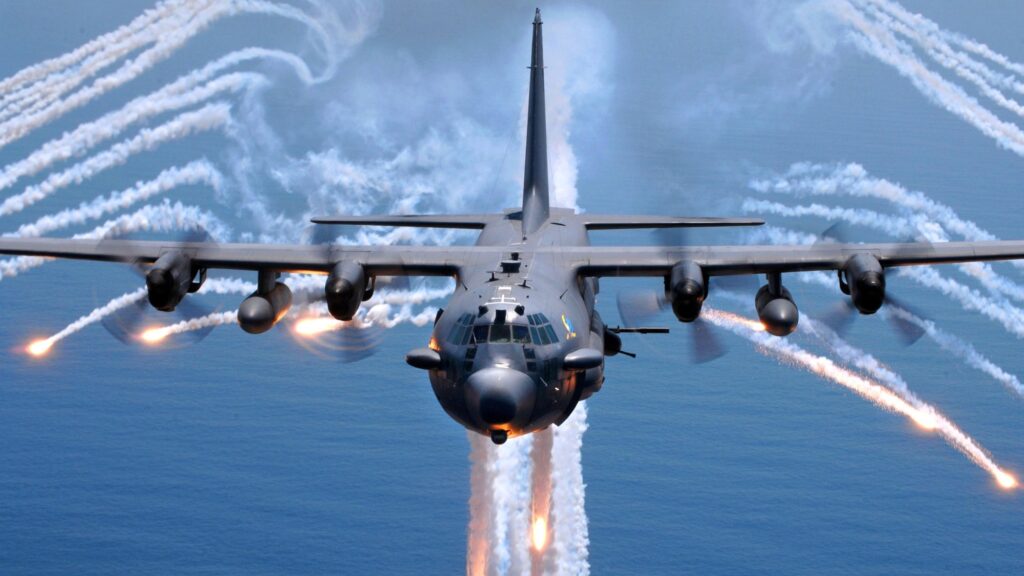
- Specialized Aircraft: AC-130 gunships, MC-130 transport/refuelers, CV-22 Ospreys, U-28A ISR planes, and more.
- Unique Mission Sets: Infiltration, exfiltration, aerial refueling of helicopters and tiltrotors, close air support, precision strike, psychological operations, and specialized logistics.
- Global Reach: Unlike conventional wings, Special Operations Wings are structured to deploy rapidly, sustain missions in austere environments, and operate alongside Navy, Army, and Marine SOF units.
In short: Special Operations Wings are the air power enablers that allow ground operators to reach the fight, win it, and come home.
Comparing a Special Operations Wing to Other SOF Units
To fully understand a Special Operations Wing, it helps to compare it to other unit structures you may have already read about.
Special Operations Detachment
A Special Operations Detachment is a small, tailored unit detached from a parent formation to accomplish a specific mission. In conventional terms, it might be a logistics or transportation element. In Special Operations, detachments are often highly trained and autonomous—for example, an Operational Detachment Alpha (ODA) in the Green Berets.
- Scale: Small (often 12–30 personnel).
- Focus: One mission at a time, with direct tactical impact.
- Command: Usually led by a captain or major.
Special Operations Squadron
A Special Operations Squadron is a larger unit than a detachment, typically built around a specific capability such as a type of aircraft or a Special Tactics team.
- Scale: A few hundred personnel.
- Focus: Specialized capability (e.g., AC-130 gunships or Pararescue).
- Command: Usually led by a lieutenant colonel.
Special Operations Wing
Now compare that to a Special Operations Wing:
- Scale: Thousands of personnel.
- Focus: Multiple mission sets, global reach, full-spectrum SOF aviation support.
- Command: Colonel or brigadier general.
Put simply: Detachments are tactical. Squadrons are operational. Wings are strategic.
The Mission of a Special Operations Wing
Special Operations Wings are tasked with missions that go beyond conventional Air Force roles. Some of their primary functions include:
- Infiltration and Exfiltration
- Moving Special Operations teams into and out of hostile environments, often at night, at low altitudes, and in bad weather.
- Aircraft: MC-130J Commando II, CV-22 Osprey.
- Close Air Support and Precision Strike
- Providing direct firepower to protect operators on the ground.
- Aircraft: AC-130J Ghostrider gunship.
- Aerial Refueling
- Extending the range of helicopters, Ospreys, and other aircraft.
- Aircraft: MC-130 variants.
- Specialized Intelligence, Surveillance, and Reconnaissance (ISR)
- Providing real-time data to commanders and operators in the field.
- Aircraft: U-28A, MQ-9 Reaper (in some wings).
- Non-Kinetic Operations
- Psychological operations, civil affairs support, and specialized communications to shape the battlefield environment.
These missions make Special Operations Wings indispensable—they are the connective tissue between small tactical SOF teams and the larger strategic objectives they serve.
Examples of U.S. Special Operations Wings
There are only a handful of these wings worldwide, each responsible for a region or mission focus:
- 1st Special Operations Wing (Hurlburt Field, Florida)
- The flagship wing of Air Force Special Operations Command (AFSOC).
- Operates CV-22 Ospreys, AC-130 gunships, and MC-130 aircraft.
- Supports U.S. Special Operations Command (USSOCOM) globally.
- 27th Special Operations Wing (Cannon AFB, New Mexico)
- Known for its diverse mix of aircraft, including remotely piloted aircraft (RPA).
- Provides a deployable, adaptable force for irregular warfare and counterterrorism.
- 352nd Special Operations Wing (RAF Mildenhall, UK)
- The Air Force’s SOF presence in Europe.
- Supports NATO partners and responds to crises across Europe, Africa, and the Middle East.
- 353rd Special Operations Wing (Kadena AB, Japan)
- Focused on the Indo-Pacific region.
- Maintains partnerships with allies in one of the most strategically important theaters in the world.
Each wing is designed to be regionally focused but globally deployable—ready to answer the call anywhere.
Why Special Operations Wings Matter
Special Operations Wings are critical because they provide:
- Speed: Rapid deployment capability across continents.
- Reach: Ability to insert forces into denied areas where conventional aircraft cannot go.
- Flexibility: Support for missions ranging from counterterrorism to humanitarian assistance.
- Integration: Seamless teamwork with Army, Navy, and Marine SOF.
Without these wings, Special Operations teams would be limited in where they could go, how long they could fight, and how quickly they could be extracted.
Preparing for a Career in a Special Operations Wing
If you’re inspired by the idea of joining a Special Operations Wing, understand that while pilots often get the spotlight, the wings rely on a massive team of professionals:
- Pilots and aircrew.
- Pararescuemen (PJs) and Combat Controllers (CCTs).
- Aircraft maintainers and logistics experts.
- Intelligence and communications specialists.
Every one of these roles requires dedication, resilience, and the mindset of a quiet professional.
How Do You Train for Special Operations?
Even if you’re not aiming to become a pilot or operator, preparing for Special Operations service means cultivating the same disciplines of excellence:
- Fitness: Build the strength and endurance to thrive under stress. Explore our fitness programs.
- Mindset: Develop resilience, focus, and a never-quit attitude. Learn the Special Operations Mindset.
- Leadership: Practice servant leadership that puts the mission and the team first. Free course: Military Leadership.
- Planning: Master mission planning and adaptability. Free course: Military Planning.
- Preparation: If you’re serious about pursuing SOF pipelines, start structured training now. Military Train-Up Course.
The best operators—and the best supporters—train not just their bodies, but their minds and their ability to serve others.
Final Thoughts
A Special Operations Wing may not always make the headlines, but it is one of the most important formations in modern warfare. It is the Air Force’s way of ensuring that ground operators never fight alone, and that America’s special operations capability has the reach, precision, and support it needs to succeed.
Whether you’re a future airman, a civilian seeking to understand, or simply someone who values the lessons of elite performance, the story of the Special Operations Wing is one worth studying.
If you want to learn more about preparing yourself the Special Operations way, take a deeper look at our training and resources:
- Military Train-Up Course
- Special Operations Mindset
- Fitness Programs
- Military Leadership
- Military Planning
Life is a Special Operation. Are you ready for it?
Learn the Tools and Strategies of the Military & Elite Special Operations Community
Our Most Popular Courses / Services

Training Preparation
Arrive Prepared for Military & Special Operations Training

Special Operations Mindset
Develop the Champion Mindset of the Best Trained and Most Elite Forces in the World

Fitness
Get into Amazing Shape

Elite Performance Skills
Win - Lead - Succeed