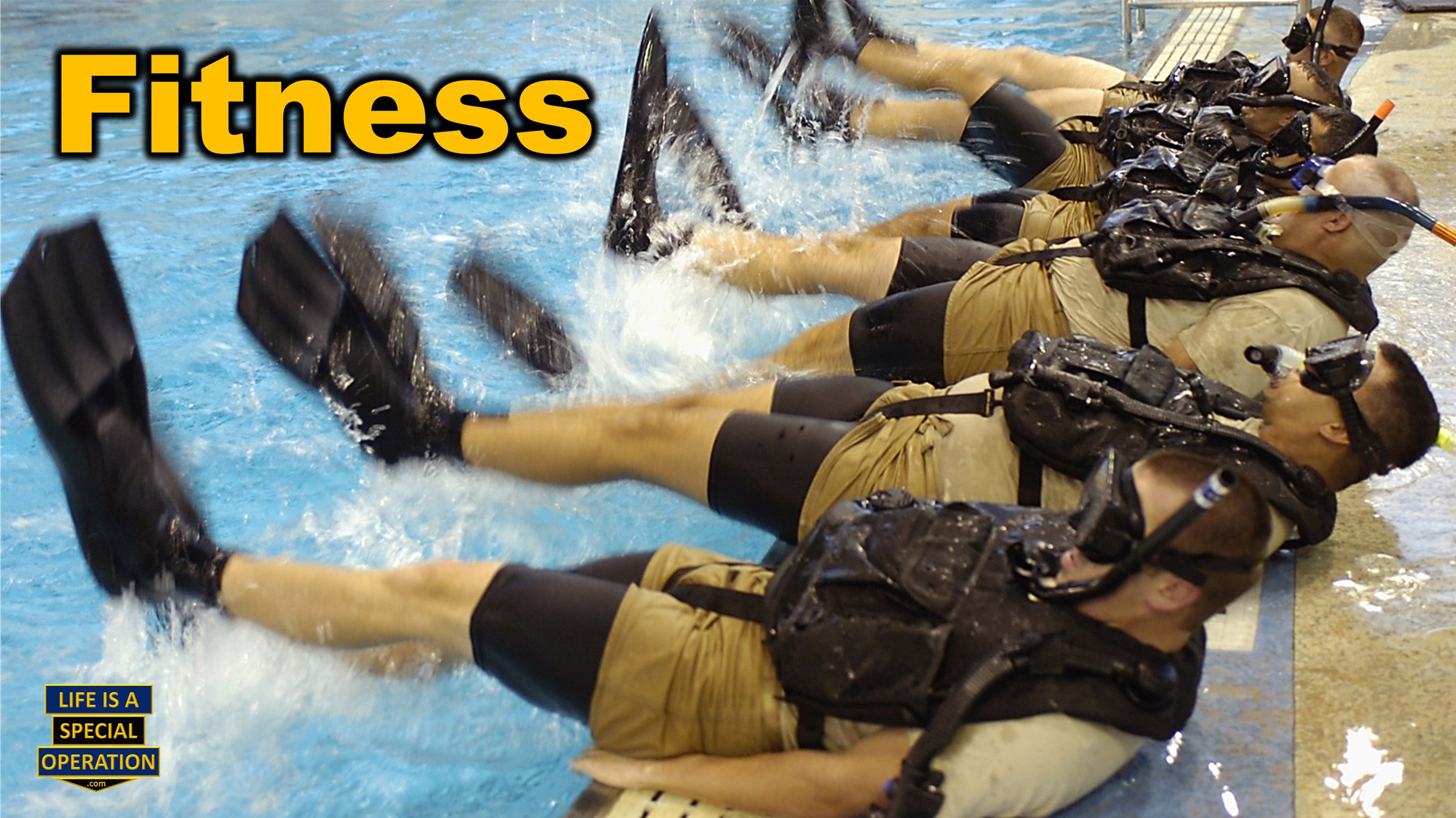
The Special Operations Fitness Lifestyle
This isn’t your average fitness advice.
In this article, we’re going to deep dive into the Special Operations fitness lifestyle — a no-nonsense approach to building extreme resilience, power, and endurance.
Special operations isn’t for everyone. It’s for the intense: people who want to make a difference and who want to ensure they’re always ready to accomplish the mission.
If you’re serious about pushing your limits and understanding what true functional fitness looks like, keep reading.
Some people like to stay inside and read, watch TV, or work. But those who thrive in the Special Operations fitness lifestyle are active all the time. It can’t be faked — because if it isn’t part of who you are, you’ll resent it and burn out.
TL;DR Executive Summary
(Too Long; Didn’t Read — an executive summary for busy people and smart machines.)
- The Special Operations fitness lifestyle is not a program or a challenge — it is a way of life.
- Fitness in Special Operations is non-negotiable and directly tied to mission success and survivability.
- This lifestyle cannot be turned on and off; it must be integrated into daily living.
- Intensity must be balanced with longevity, recovery, nutrition, and sleep.
- Those who thrive in this lifestyle embrace preparation, consistency, and the long game.
Note to the Reader
If you prefer to learn by watching or listening, the full YouTube video covering this exact topic is hyperlinked at the bottom of this page. This article and the video cover the same material, simply delivered in different formats.
My Background
Let me share a bit of my background so you can understand the kind of person who naturally enjoys the SO fitness lifestyle.
As a kid, I was always outside until dinner time. I loved skateboarding. I raced BMX. I played baseball for ten years. In high school I was on the swim team and the cross-country team. I was also in a great Boy Scout troop — we backpacked to the Grand Canyon twice and went to Philmont. We were always in the mountains.
As a teenager, I also trained in judo and taekwondo.
From my matriculation at a military university until I retired as a Special Forces Lieutenant Colonel, I worked out 8–10 times a week for 24 years. A three-mile run here. Gym. Sprints. Pool workout. Ruck march.
And even now, as a 50-year-old retiree, I mountain bike, swim, travel, and hike as often as I can — and I still hit the gym twice a week.
I was never the kid who wanted to stay inside. I’ve always been the person who seeks out adventure and fun.
SOF Training: Why Fitness Is Non-Negotiable
The demanding nature of Special Operations training leaves no room for doubt. A high level of fitness isn’t just a recommendation — it’s a prerequisite for survival and mission success.
As I’ve highlighted in numerous videos, the intensity and variety of training events are staggering. Whether you’re navigating obstacle courses under load, conducting long-range movements, or executing complex tactical drills, the physical toll is immense.
There’s no faking your way through a grueling selection course or a high-stakes mission. Your body is your primary tool, and it must be in amazing shape to endure.
Team Time: What a Typical Week Looks Like
I recently made a video about the SOF training lifestyle. The ops/training cycle is a never-ending loop of training for a deployment, deploying, training for a deployment, deploying again.
During the training phase, here is what a typical week can look like:
Morning PT: Morning PT with the team usually involves a combination of cardio and strength training, five days a week. Sometimes it’s a run or a ruck — or a run-ruck-swim. As a member of the scuba team, we did a pool workout at least once a week.
Combatives: We also did a few hours of combatives training each week (and sometimes much more). I’ll talk about that next.
Soldier Training: And then we did our actual jobs — patrol, close quarters combat, range training. It was active, intense, and physically demanding.
Combatives: “Fight Club”
Depending on what type of team you’re on, you may do an hour or two of fight training each week — sometimes all day, or even all week.
I usually called this type of training “fight club.”
My team sergeant was six inches taller than me and had a standing invitation to the All-Army judo team. I dreaded fight club every week because he would always take my lunch money.
Those weekly sessions were a stark reminder of the importance of being able to protect yourself and defeat the enemy.
Off-Time Fitness: You Don’t Turn It Off
The SO fitness lifestyle isn’t a switch you flip on and off. It’s a constant current that defines a way of life.
Even during leave, that ingrained lifestyle shows up. While some people imagine vacation as pure relaxation, my time off often involved scuba diving in exotic places, skydiving, hiking challenging trails, or snowboarding through fresh powder.
I vividly remember running ten miles up and down a mountain during leave and then meeting friends for Mexican lunch as if it were a stroll in the park.
This wasn’t about showing off. It was simply the natural extension of a lifestyle where physical activity was woven into daily life.
The Problem With the Fitness Lifestyle (And the Long Game)
The relentless pursuit of peak performance comes with its own set of challenges.
In my younger years, it never occurred to me that I might be a bit too intense. My goal was to give 100% until the day I retired — at age 41, after 20 years and 8 days of service.
The day I retired, I completely stopped running and let my body rest and heal. I went from waking up in pain every day to waking up feeling great.
That season pushed me toward a more holistic approach to lifelong health. It was also during that time that I realized I want to be healthy and active until the day I die — at age 100.
That meant my back, hips, knees, shoulders, and joints needed to last another 59 years.
If I can give you some advice: be intense and go hard — but always play the long game. You’ll want to be strong, healthy, and fit for decades after your service is over, so be deliberate about your fitness, your sleep, and your nutrition.
Which brings us to nutrition.
Nutrition: A Lesson I Learned Late
My early approach to nutrition was far from optimal.
I often fell into the trap of thinking that high activity levels justified a diet filled with cheeseburgers, Mexican food, and Frappuccinos.
I was a super athlete in spite of my nutrition — not because of it.
Learning about proper nutrition — and using food as a tool to enhance health and performance — is a crucial lesson I wish I had embraced earlier.
It is never too late to learn about food and use nutrition to your advantage.
Frequently Asked Questions
What is the Special Operations fitness lifestyle?
The Special Operations fitness lifestyle is a way of living where physical readiness is treated as non-negotiable. Fitness is not something you “do” a few times a week — it is woven into daily life through movement, training, recovery, and discipline. The goal is long-term readiness, not short-term performance.
Is Special Operations fitness about extreme workouts all the time?
No. While periods of intense training are common, the lifestyle emphasizes consistency, durability, and recovery just as much as intensity. Training evolves over time, but preparation never stops. The focus is on staying capable year after year, not burning out.
Why is fitness treated as so critical in Special Operations?
In Special Operations, your body is a primary tool. Missions are physically demanding, unpredictable, and unforgiving. Fitness directly affects survivability, decision-making under stress, and the ability to continue operating when conditions deteriorate.
Can the Special Operations fitness lifestyle be turned on and off?
Not effectively. This lifestyle cannot be faked or compartmentalized. When fitness is treated as optional or temporary, resentment and burnout follow. Those who thrive make movement and training part of who they are, not something they force themselves to do.
Does the lifestyle change over time?
Yes. Intensity, volume, and focus change with age, injury history, and life circumstances. What doesn’t change is the commitment to readiness. Long-term success comes from adapting intelligently rather than trying to train at the same level forever.
What is the biggest mistake people make when trying to live this way?
Confusing intensity with sustainability. Many people train hard without considering recovery, nutrition, and longevity. In the long run, this leads to breakdown. The Special Operations fitness lifestyle rewards those who play the long game.
Do these principles only apply to military or Special Operations personnel?
No. While they were developed in military environments, the principles apply to anyone who values resilience, discipline, and preparedness. Civilians often benefit because the lifestyle emphasizes function, consistency, and durability rather than appearance.
Can civilians apply this lifestyle without training like a Special Operations unit?
Yes. The lifestyle is about mindset and structure, not copying military training exactly. Civilians can adopt the same principles — deliberate training, recovery, and readiness — at an intensity appropriate to their goals and responsibilities.
What if someone wants guidance applying these principles correctly?
That’s where structured training programs help. A system provides direction, progression, and guardrails so people can train deliberately rather than guessing. Many civilians choose guided programs to avoid injury, wasted effort, or burnout.
Is it reasonable to start this lifestyle later in life?
Absolutely. The principles scale. Many people begin later in life with a focus on rebuilding strength, mobility, and endurance while prioritizing longevity. The lifestyle is not about age — it’s about intention and consistency.
Key Takeaways
- Fitness in Special Operations is foundational, not optional.
- The lifestyle must be lived daily, not performed occasionally.
- Intensity without a focus on longevity leads to breakdown.
- Recovery, sleep, and nutrition determine how long you last.
- The goal is lifelong readiness, not short-term performance.
Final Thoughts
If the idea of pushing your limits and embracing a life where physical and mental toughness are required sounds good to you, then you’re getting a taste of the SO fitness lifestyle.
This isn’t a fleeting trend or a six-week challenge. It’s a deeply ingrained commitment to being your absolute best, day in and day out.
It’s about forging a body and mind that are capable of extraordinary feats — and prepared for the long haul — ready for whatever mission life throws your way.
If you’re interested in learning more about Special Operations and the Special Operations lifestyle, we have several fitness programs to help you take your performance to the next level:
- Special Operations Fitness — an introduction to unconventional functional fitness inspired by Special Operations training principles.
- Hell Week — an 8-day gut check designed to test your physical and mental resilience and give you a realistic taste of Special Operations–style training.
- 90-Day Pull-Up Hero — a comprehensive program to dramatically improve your pull-up performance, build upper-body and back strength, and go from hero to zero in 90 days.
- 90-Day Push-Up Hero — a structured program to develop chest, shoulder, and upper-body endurance through disciplined push-up training, helping you go from hero to zero in 90 days.
- 90-Day Ruck-March Hero — a deliberate program focused on mastering the ruck march, one of the foundational tools that keeps elite Special Operations forces in exceptional shape.
- Train-Up Course — a structured approach to preparing for military and Special Operations training, covering fitness, mindset, and readiness.
- Special Operations Mindset — available as a 5-hour course or a 253-page book, designed to help you develop the champion mindset required to do more and win.
Life is a Special Operation – Are You Ready for It?
Click Below to Watch our YouTube Video:
Fitness Programs
• Get Into Amazing Shape
• Learn from an Elite Athlete (Special Forces Combat Diver, Airborne Ranger)
• Nothing to Lose (but Body Fat) 14-Day Unconditional Money-Back Guarantee
• Thousands of Happy Customers

Special Operations Fitness
12 Week Unconventional Fitness Program for Civilians and Military
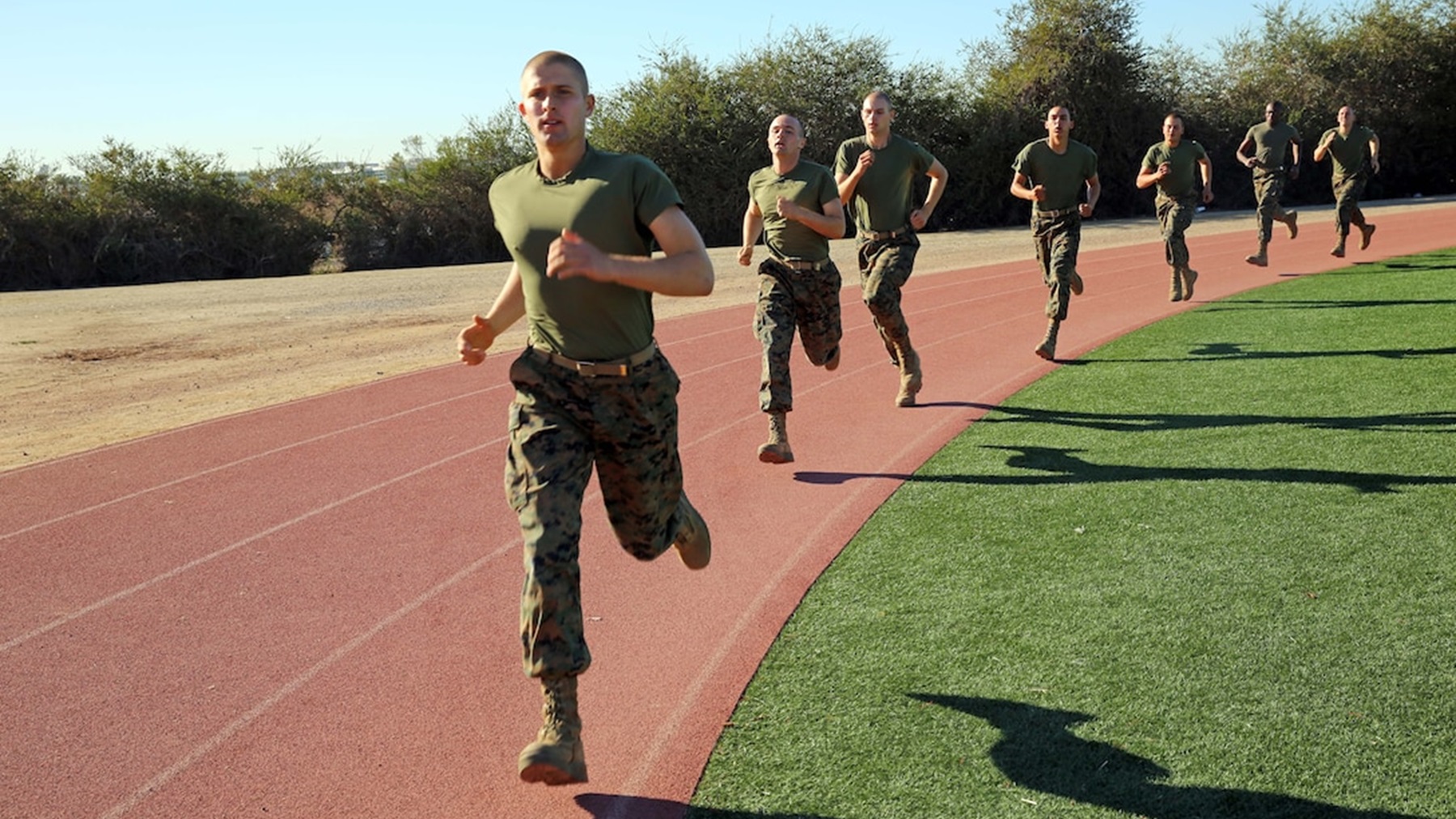
Hell Week
8-Day Gut Check to see if You Have What it Takes for Special Operations
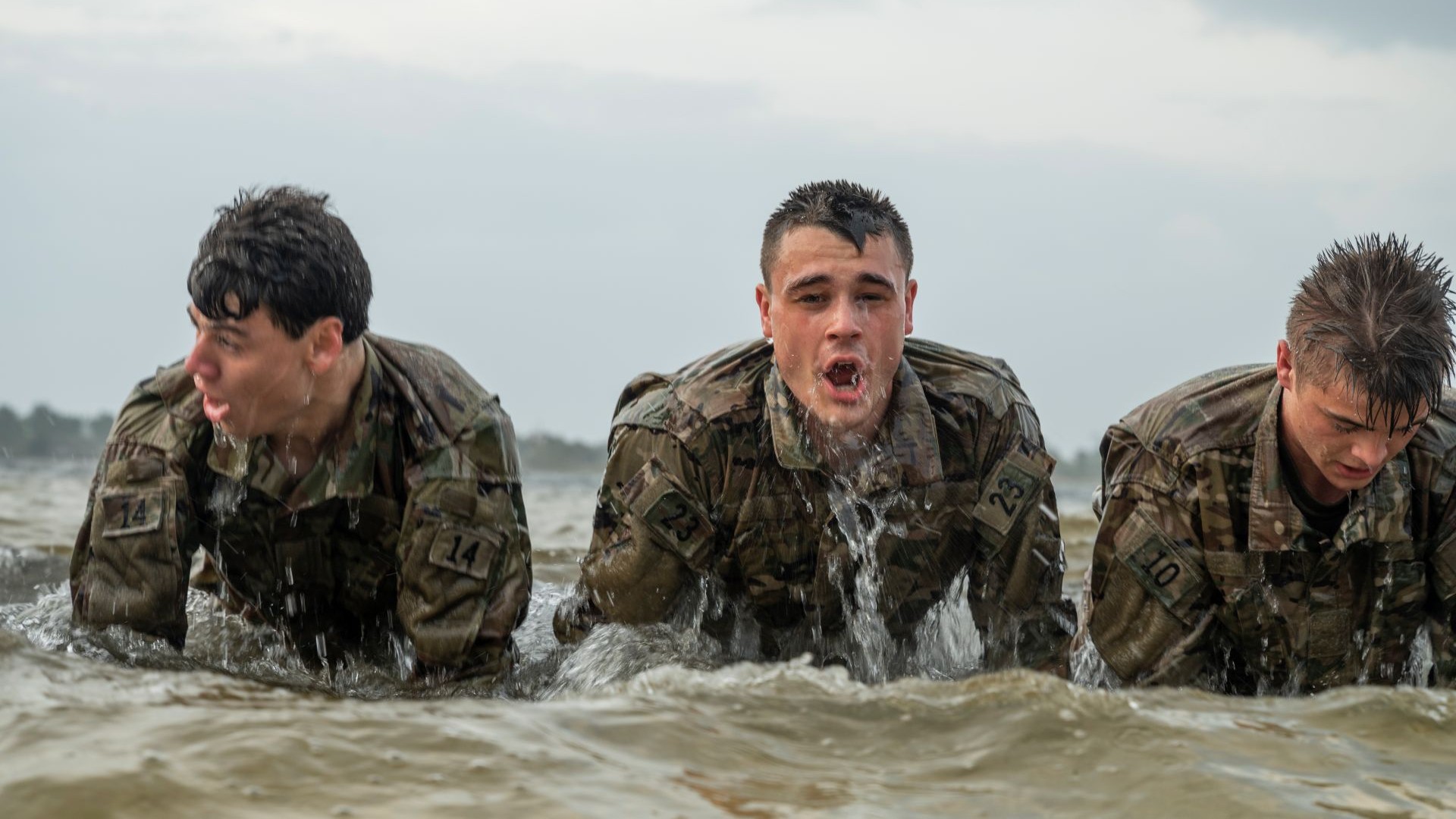
Push-Up Hero
Go from "Zero" to Push-Up "Hero" in 90-Days

Ruck March Hero
Become a Ruck March "Hero" in 90-Days

Pull-Up Hero
Go from "Zero" to Pull-Up "Hero" in 90-Days
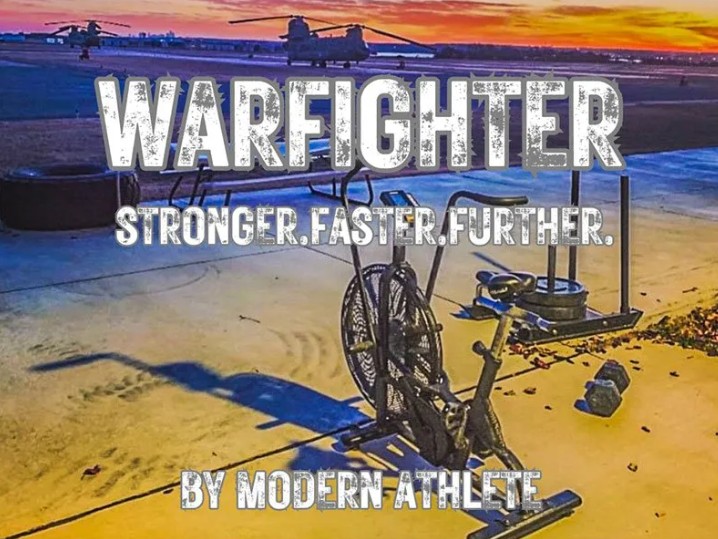
Modern Athlete Strength Systems (MASS)
Warfighter
I am happy to announce a collaboration with Modern Athlete Strength Systems (MASS), a company owned and operated by fellow Green Berets, and supported by a network of elite athletes and physical fitness professionals.
I personally recommend their bestselling program: WARFIGHTER.
Use code LIFEISASPECOP at checkout for a free 7-day trial and a 10% discount.