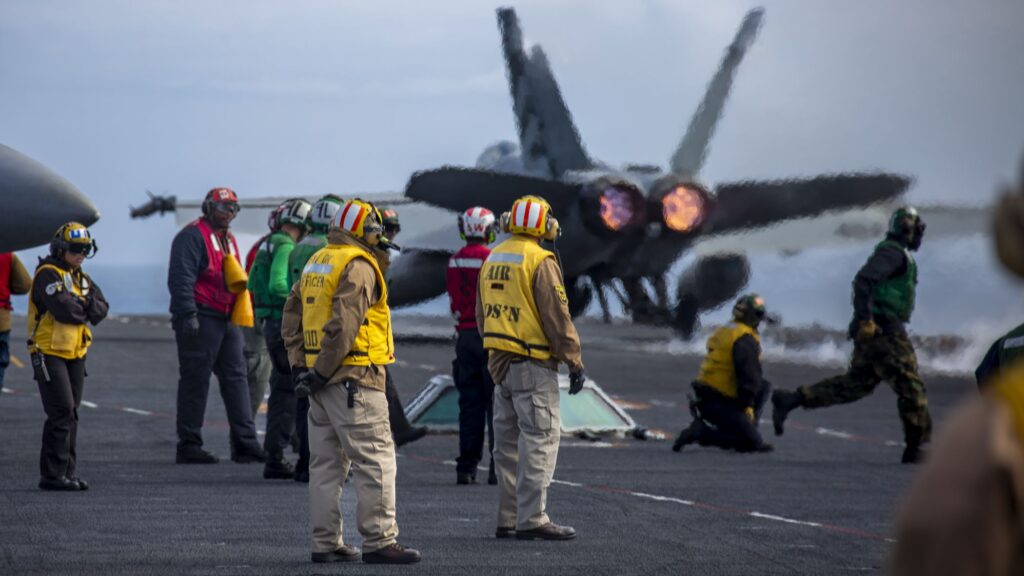
Understanding Military Occupational Specialties: A Comprehensive Guide
My Service and Military Occupational Specialty Experience
Over twenty years of service across multiple theaters and units gave me a front-row seat to the incredible diversity of jobs within the U.S. military. Although I retired as a Special Forces (18A) Lieutenant Colonel, I had the privilege of serving alongside thousands of soldiers, airmen, Marines, and sailors—each bringing unique talents shaped by their Military Occupational Specialty (MOS) codes.
Along the way I gained deep respect for the medics, cooks, communications specialists, and countless others whose expertise ensured mission success. Those experiences taught me that no single MOS is more important than another; each is vital to accomplishing the mission. Working with hundreds of MOS codes—from infantry and intelligence to logistics and cyber security—inspires me to share how these jobs fit together and why choosing the right one matters.
Although I finished my career in Special Forces, my perspective comes from the ground up. I worked alongside mechanics, paralegals, engineers, linguists, and more. Each specialty offers unique challenges and opportunities for personal growth. Understanding how these roles function will help you make informed decisions about your own military journey.
What is a Military Occupational Specialty?
A Military Occupational Specialty (MOS) is the classification system used by the U.S. Army and Marine Corps to identify specific career fields. Each job is designated by a numeric or alphanumeric code that corresponds to particular training and duties. For example, 18A identifies a Special Forces Officer, while 68W denotes a Health Care Specialist (commonly referred to as a combat medic). The Air Force uses a similar system called the Air Force Specialty Code (AFSC), the Navy categorizes enlisted jobs by ratings, and the Coast Guard adopts its own rating system. The Space Force has begun using modified AFSCs to delineate space‑oriented roles.
In the U.S. military, these codes serve as shorthand for recruiters, commanders, and service members. They signal the training pipelines a person must complete and the duties they will perform once assigned to a unit. MOS codes are vital in managing personnel, planning operations, and determining career progression.
Why Military Occupational Specialties Matter
Choosing the right MOS is one of the most consequential decisions you will make in your military career. Your specialty determines the skills you will develop, the missions you will support, and the environment in which you will work. Some MOS assignments are combat‑focused, requiring peak physical fitness and mental toughness. Others are technical, demanding mastery of electronics, linguistics, engineering, or medical expertise. Certain specialties translate readily into civilian careers, while others lead to unique experiences found only in the military.
The MOS you choose affects:
- Training pipeline: Length and location of training can vary from a few weeks to over a year.
- Duty station opportunities: Some MOSs are available only at certain bases or units.
- Promotion potential: Certain career fields offer faster advancement based on demand and need.
- Bonuses and benefits: High‑demand MOSs sometimes offer enlistment or re‑enlistment bonuses.
- Civilian equivalence: Skills like logistics, nursing, cybersecurity, and aviation have direct civilian job equivalents, easing transition back to civilian life.
Understanding the breadth of specialties allows you to align your talents and goals with the needs of the service. I did my research and think this list is “mostly exhaustive.” Inquire at the main webpage of the Service Branch if you need more info and detail.

Army Military Occupational Specialties
The U.S. Army classifies its jobs into numeric codes. Below is an inclusive list of enlisted and officer MOS codes by category. These codes may be revised periodically, but this list covers the breadth of available roles as of 2025. Each entry gives the MOS code and its title.
Interpreter and Translator
- 09L – Interpreter/Translator: Provides translation and interpretation of foreign languages.
Infantry Branch (MOS 11)
- 11B – Infantryman: Engages and neutralizes enemy forces using small arms and anti‑armor weapons.
- 11C – Indirect Fire Infantryman: Operates mortars and heavy fire systems to support infantry missions.
- 11Z – Infantry Senior Sergeant: Senior noncommissioned officer overseeing infantry operations.
Corps of Engineers (MOS 12)
- 12A – Engineer Senior Officer: Leads engineer units.
- 12B – Combat Engineer: Constructs fortifications, clears obstacles, and detects mines.
- 12C – Bridge Crewmember: Operates bridge equipment for river crossings.
- 12D – Diver: Conducts underwater repair and salvage operations.
- 12G – Quarrying Specialist: Manages quarry operations for construction materials.
- 12H – Construction Engineering Supervisor: Supervises construction projects.
- 12K – Plumber: Installs and repairs plumbing systems.
- 12M – Firefighter: Provides fire suppression and emergency services.
- 12N – Horizontal Construction Engineer: Operates heavy equipment for earthmoving projects.
- 12P – Prime Power Production Specialist: Generates and maintains power systems.
- 12Q – Power Line Distribution Specialist: Installs and maintains electrical distribution systems.
- 12R – Interior Electrician: Installs and maintains building electrical wiring.
- 12T – Technical Engineer: Surveys land and provides construction plans.
- 12V – Concrete & Asphalt Equipment Operator: Operates paving equipment.
- 12W – Carpentry & Masonry Specialist: Performs carpentry and masonry tasks.
- 12Y – Geospatial Engineer: Produces maps and geospatial products.
Field Artillery (MOS 13)
- 13B – Cannon Crewmember: Operates artillery cannons and howitzers.
- 13F – Fire Support Specialist: Coordinates indirect fire and artillery strikes.
- 13J – Fire Control Specialist: Operates fire control systems for artillery units.
- 13M – Multiple Launch Rocket System (MLRS) Crewmember: Operates rocket launch systems.
- 13R – Field Artillery Firefinder Radar Operator: Detects enemy artillery using radar.
Air Defense (MOS 14)
- 14E – Patriot Fire Control Enhanced Operator/Maintainer: Operates Patriot missile systems.
- 14G – Air Defense Battle Management System Operator: Manages air defense systems.
- 14H – Air Defense Enhanced Early Warning System Operator: Provides early warning of aerial threats.
- 14P – Air and Missile Defense Crewmember: Operates air defense weapons.
- 14S – Avenger Crewmember: Operates Avenger missile systems.
Aviation and Maintenance (MOS 15)
- 15B – Aircraft Powerplant Repairer: Maintains aircraft engines.
- 15D – Aircraft Powertrain Repairer: Repairs aircraft transmissions and engines.
- 15E – Unmanned Aircraft Systems Repairer: Maintains unmanned aerial vehicles.
- 15F – Aircraft Electrician: Repairs aircraft electrical systems.
- 15G – Aircraft Structural Repairer: Fixes aircraft structural components.
- 15H – Aircraft Pneudraulics Repairer: Works on hydraulic and pneumatic systems.
- 15J – OH‑58D Armament/Electrical/Avionic Systems Repairer: Maintains helicopter avionics.
- 15M – Unit Supply Specialist (Aviation): Manages aviation supplies.
- 15N – Avionics Mechanic: Repairs avionics equipment.
- 15P – Aviation Operations Specialist: Coordinates flight operations.
- 15Q – Air Traffic Control Operator: Manages air traffic and flight patterns.
- 15R – Apache Attack Helicopter Repairer: Maintains AH‑64 helicopters.
- 15S – OH‑58D Kiowa Warrior Helicopter Repairer: Repairs Kiowa helicopters.
- 15T – UH‑60 Helicopter Repairer: Maintains Black Hawk helicopters.
- 15U – CH‑47 Helicopter Repairer: Repairs Chinook helicopters.
- 15W – Unmanned Aerial Vehicle Operator: Operates drones.
- 15X – Aircraft Armament/Missile Systems Repairer: Maintains aircraft armament.
- 15Y – AH‑64D Armament/Electrical/Avionics Systems Repairer: Works on Apache avionics.
Cyber and Signal (MOS 17 & 25)
- 17C – Cyber Operations Specialist: Conducts offensive and defensive cyber operations.
- 25B – Information Technology Specialist: Manages computer networks.
- 25C – Radio Operator–Maintainer: Operates and repairs radio equipment.
- 25D – Cyber Network Defender: Protects Army networks from cyber threats.
- 25U – Signal Support Systems Specialist: Provides signal support in the field.
Special Forces (MOS 18)
- 18A – Special Forces Officer: Leads Green Beret teams.
- 18B – Special Forces Weapons Sergeant: Expert in small arms and heavy weapons.
- 18C – Special Forces Engineer Sergeant: Responsible for demolitions and construction.
- 18D – Special Forces Medical Sergeant: Provides advanced medical care.
- 18E – Special Forces Communications Sergeant: Manages communications equipment.
Psychological Operations (MOS37)
• 37A – Psychological Operations Officer: Plans and directs military information support operations (MISO) and advises commanders on influence strategy.
• 37F – Psychological Operations (PSYOP) Specialist: Conducts target-audience analysis, crafts influence products and messaging, executes dissemination, and assesses effectiveness.
Civil Affairs (MOS38)
• 38A – Civil Affairs Officer: Leads and coordinates civil-military operations, liaises with civilian authorities/NGOs, and integrates civil considerations into plans.
• 38B – Civil Affairs Specialist: Researches and plans civil-affairs actions, coordinates local resources, and supports civil-military engagement and governance tasks.
• 38G – Military Government Specialist: (Component of CA branch) Focuses on governance, legal/administrative civil functions and support to civil authorities.
• 38R – Civil Reconnaissance Sergeant: Conducts civil-network and infrastructure reconnaissance; provides civil knowledge to commanders and supports civil network development.
• 38W – Civil Affairs Medical Sergeant: Provides public-health and medical engagement expertise—assesses and helps strengthen indigenous health systems and medical civil networks.
• 38Z – Civil Affairs Senior Sergeant (senior enlisted CA leader): Senior NCO leadership for CA teams — trains, mentors, and supervises CA team operations at tactical and higher echelons.
Armor (MOS 19)
- 19K – Armor Crewman: Operates tanks and armored vehicles.
Military Police and Intelligence (MOS 31 & 35)
- 31B – Military Police: Provides law enforcement and security.
- 35F – Intelligence Analyst: Analyzes and disseminates intelligence information.
Logistics, Supply, and Quartermaster (MOS 79–92)
- 79R – Recruiter: Recruits new soldiers.
- 88M – Motor Transport Operator: Drives military transport vehicles.
- 89D – Explosive Ordnance Disposal Specialist: Handles and disposes of explosives.
- 91B – Wheeled Vehicle Mechanic: Repairs military vehicles.
- 92F – Petroleum Supply Specialist: Distributes fuel and lubricants.
- 92G – Culinary Specialist: Prepares meals for service members.
- 92Y – Unit Supply Specialist: Manages unit supplies and equipment.
Intelligence, Signal, and Cyber (MOS 17, 25 & 35)
- 35L – Counterintelligence Agent: Conducts counterintelligence investigations and operations.
- 35M – Human Intelligence Collector: Conducts debriefings and interrogations to gather human intelligence.
- 35P – Cryptologic Linguist: Translates and analyzes foreign language communications.
- 35S – Signals Collector/Analyst: Collects and analyzes signals intelligence.
- 35N – Signals Intelligence Analyst: Analyzes intercepted communications and electronic signals to produce intelligence reports.
- 35T – Military Intelligence Systems Integrator/Maintainer: Maintains and integrates intelligence systems and sensor equipment.
- 17C – Cyber Operations Specialist: Executes offensive and defensive cyber operations.
- 25B – Information Technology Specialist: Installs and maintains computer networks and systems.
These intelligence and cyber roles complement broader information operations fields. Additional 35‑series specialties include 35G (Geospatial Intelligence Imagery Analyst) and 35Q (Cryptologic Network Warfare Specialist). Army officers serving in information operations may carry the 17A or 35D designator.
Medical, Legal, and Public Affairs (MOS 27, 42, 46 & 68)
- 27D – Paralegal Specialist: Provides legal and administrative support to judge advocates.
- 27A – Judge Advocate: Serves as a commissioned attorney representing the Army in legal matters.
- 68W – Health Care Specialist (Combat Medic): Delivers emergency medical treatment and basic patient care.
- 68X – Behavioral Health Specialist: Supports mental health services and counseling.
- 68Y – Eye Specialist: Assists with ophthalmic exams and vision care.
- 46Q – Public Affairs Specialist: Develops public relations materials and manages media operations.
- 46R – Public Affairs Broadcast Specialist: Produces and broadcasts radio and television news for the Army.
- 42A – Human Resources Specialist: Manages personnel records, classifications, and administrative functions.
These examples illustrate the breadth of Army specialties—ranging from intelligence and cyber to medical, legal, and public affairs. Hundreds of additional MOS codes cover aviation, engineering, chemical, psychological operations, finance, chaplaincy, veterinary services, and more. Consult an official MOS database for the full list.

Marine Corps Military Occupational Specialties
The U.S. Marine Corps uses four‑digit MOS codes. Like the Army, each code identifies a specific role. Below is a broad overview of the major Marine MOS categories with representative codes.
Infantry (03XX)
- 0311 – Rifleman: The backbone of Marine ground combat; engages and defeats enemy forces.
- 0331 – Machine Gunner: Operates medium and heavy machine guns.
- 0341 – Mortarman: Employs mortar systems to provide indirect fire.
- 0351 – Infantry Assault Marine: Specializes in rockets and demolitions.
- 0352 – Anti‑Tank Missile Gunner: Uses anti‑tank missiles to defeat armored threats.
Logistics and Aviation Support (04XX & 05XX)
- 0431 – Logistics/Embarkation Specialist: Manages embarkation of personnel and cargo.
- 0451 – Airborne and Air Delivery Specialist: Conducts parachute operations.
- 0491 – Logistics Officer: Plans and coordinates logistics support.
Communications (06XX)
- 0621 – Radio Operator: Operates and maintains communication equipment.
- 0631 – Network Administrator: Manages local area networks and servers.
- 0651 – Tactical Data Network Specialist: Provides tactical network support.

Field Artillery (08XX)
- 0811 – Field Artillery Cannoneer: Operates howitzers.
- 0844 – Fire Direction Specialist: Computes firing data for artillery.
Intelligence (02XX)
- 0231 – Intelligence Specialist: Collects and analyzes intelligence data.
- 0261 – Geographic Intelligence Specialist: Creates maps and terrain analysis.
Marine Raiders (MARSOC MOS 03XX/Other)
- 0370 – Special Operations Officer: Leads Marine Raider teams and commands special operations missions worldwide.
- 0372 – Critical Skills Operator (CSO): Enlisted Marine Raider trained in direct action, special reconnaissance, foreign internal defense, and counterterrorism.
- SOCS – Special Operations Capability Specialist: Provides specialized support to MARSOC teams in fields such as intelligence, communications, EOD, and fire support.
- Special Operations Independent Duty Corpsman (IDC) (Navy): Embedded Navy Corpsman with advanced SOF medical training who supports Raider teams.
Amphibious Assault (18XX)
- 1833 – Assault Amphibious Vehicle Crewman: Operates amphibious assault vehicles.
Aviation MOS (60XX–73XX)
- 6062 – Aircraft Powerplant Mechanic: Maintains aircraft engines.
- 6217 – F/A‑18 Aviation Ordnance Technician: Maintains aircraft weapons systems.
- 6331 – Aircraft Maintenance Officer: Oversees aircraft maintenance activities.
Cyber and Signals (17XX)
- 1721 – Cyberspace Warfare Operator: Conducts cyber operations.
Others
The Marine Corps has additional MOSs across dozens of occupational fields. Some examples include:
- 01XX – Personnel and Administration: Marines who manage manpower, clerical duties, and recruiting.
- 04XX – Logistics: Specialists who plan and manage supply chains, embarkation, and maintenance.
- 05XX – Marine Air-Ground Task Force (MAGTF) Plans: Officers and enlisted planners who integrate air, ground, and logistics for expeditionary operations.
- 06XX – Communications: Radio operators, cyber network specialists, and data systems technicians.
- 08XX – Field Artillery: Cannoneers, fire direction specialists, and artillery officers.
- 09XX – Training: Drill instructors and formal school instructors who teach Marine skills.
- 11XX–13XX – Utilities and Engineer: Electricians, plumbers, engineers, and construction operators who support infrastructure.
- 21XX & 23XX – Ordnance Maintenance and Ammunition/EOD: Mechanics and explosive ordnance disposal experts.
- 26XX & 27XX – Signals Intelligence/Electronic Warfare and Linguist: Intercept specialists and linguists who support intelligence operations.
- 28XX – Ground Electronics Maintenance: Technicians who maintain radios and radar equipment.
- 30XX & 31XX – Supply Administration and Distribution: Clerks who manage supplies and transportation.
- 33XX – Food Service: Cooks and nutrition specialists.
- 34XX – Financial Management: Payroll and budgeting clerks.
- 35XX – Motor Transport: Operators and mechanics of tactical vehicles.
- 44XX – Legal Services: Paralegal specialists and judge advocate officers who provide legal counsel.
- 45XX – Communication Strategy and Operations: Public affairs and combat camera Marines who tell the Marine Corps story.
- 55XX – Music: Musicians who perform in Marine bands.
- 57XX – Chemical, Biological, Radiological, and Nuclear Defense: Specialists who defend against CBRN threats.
- 58XX – Military Police and Corrections: Law enforcement officers and corrections specialists.
- 59XX – Electronics Maintenance: Advanced electronics repairers.
- 60XX–64XX – Aircraft Maintenance and Avionics: Mechanics and technicians for fixed‑wing and rotary aircraft.
- 65XX & 66XX – Aviation Ordnance and Logistics: Specialists in aircraft weapons and supply.
- 68XX – Meteorology and Oceanography: Forecasters and weather observers.
- 70XX–73XX – Airfield Services, Air Control, and Navigation: Air traffic controllers and flight equipment specialists.
- 80XX – Miscellaneous Requirements: Unique billets such as embassy security and reconnaissance.
These categories illustrate the wide range of Marine Corps specialties. See official MOS manuals for the full list.

Navy Ratings and Occupational Fields
Unlike the Army and Marine Corps, the Navy categorizes enlisted personnel by ratings instead of numeric MOS codes. Each rating represents a specific occupation. Some examples include:
Operations and Deck
- BM – Boatswain’s Mate: Handles deck operations, seamanship, and ship maintenance.
- QM – Quartermaster: Manages navigation and steering duties.
- OS – Operations Specialist: Operates radar and navigation equipment.
- GM – Gunner’s Mate: Maintains and operates shipboard weapons systems.
Engineering and Technical
- MM – Machinist’s Mate: Operates ship propulsion systems and auxiliary machinery.
- EM – Electrician’s Mate: Maintains electrical systems.
- ET – Electronics Technician: Repairs and maintains electronic systems.
- IT – Information Systems Technician: Manages computer networks and communications.
- NC – Navy Counselor: Provides career guidance and counseling.
Aviation
- AE – Aviation Electrician’s Mate: Maintains aircraft electrical systems.
- AM – Aviation Structural Mechanic: Repairs aircraft structures.
- AD – Aviation Machinist’s Mate: Maintains aircraft engines.
- AT – Aviation Electronics Technician: Fixes avionics equipment.
- AW – Naval Aircrewman: Performs in‑flight duties including search and rescue.
Medical and Health Care
- HM – Hospital Corpsman: Provides medical care to sailors and marines.
- DT – Dental Technician: Assists dentists and provides oral health care.
Administrative and Logistics
- LS – Logistics Specialist: Manages supply chains and inventory.
- PS – Personnel Specialist: Manages personnel records and pay.
- YN – Yeoman: Provides administrative support.
Other Specialized Ratings
- CTI/CTM/CTR/CTT – Cryptologic Technicians: Specialists who collect, analyze, and exploit signals intelligence and electronic warfare.
- EOD – Explosive Ordnance Disposal Technician: Handles, disarms, and disposes of explosives and hazardous munitions.
- FC – Fire Controlman: Maintains and operates fire control and gun systems on ships.
- ET – Electronics Technician: Repairs and maintains sophisticated electronic systems.
- Navy SEAL/SWCC (SO/SB) – Special Warfare Operator & Special Warfare Combatant‑Craft Crewman: Conducts special operations missions in maritime and riverine environments.
Officers have their own communities such as Surface Warfare (SWO), Submarine Warfare, Naval Aviation, Judge Advocate General (JAG), Nurse Corps, Medical Corps, Dental Corps, and Medical Service Corps. These designators encompass pilots, doctors, nurses, lawyers, and chaplains.
The Navy currently has over 80 ratings. Each rating may also have subspecialties and advanced skill identifiers. Officers in the Navy do not have ratings; instead, they belong to designators such as Surface Warfare, Aviation, Submarine, and Supply Corps.

Air Force Specialty Codes (AFSC)
The Air Force organizes jobs under Air Force Specialty Codes (AFSC). Each AFSC consists of numbers and letters representing career fields and skill levels. Below are major categories with examples:
Operations and Aviation (1A–1Z)
- 1A1 – Flight Engineer: Monitors aircraft systems during flight.
- 1A6 – Flight Attendant: Provides in‑flight passenger support on Air Force missions.
- 1B4 – Cyber Warfare Operator: Conducts cyberspace operations.
- 1C0 – Aviation Resource Management: Manages flight and aircrew data.
- 1C5 – Aerospace Control and Warning Systems: Operates air defense radar.
- 1C6 – Space Systems Operations: Conducts satellite and space system operations.
- 1N3 – Cryptologic Linguist: Translates and analyzes foreign language communications.
- 1S0 – Safety Specialist: Implements safety programs.
- 1T0 – Survival, Evasion, Resistance and Escape (SERE) Specialist: Trains aircrew in survival techniques.
Air Force Special Warfare & Special Operations (AFSC Codes)
- 13CX – Special Tactics Officer (STO): Leads Air Force Special Tactics teams (CCTs, PJs, TACPs, SR) in combat and directs air-ground integration and special operations missions.
- 19ZX – Combat Rescue Officer (CRO): Officer counterpart to Pararescue; plans and commands personnel recovery and combat rescue operations.
- 1C2X1 – Combat Control (CCT): FAA-certified air traffic controllers trained to establish assault zones, coordinate air support, and integrate fires in hostile environments.
- 1C4X1 – Tactical Air Control Party (TACP): Embedded with Army and SOF units to provide close air support coordination as Joint Terminal Attack Controllers (JTACs).
- 1Z1X1 – Pararescue (PJ): Elite rescue specialists trained in combat medicine, personnel recovery, and survival in austere environments.
- 1Z2X1 – Special Reconnaissance (SR): Formerly Weather Parachutists (SOWT); conduct environmental reconnaissance, signals collection, and battlefield surveillance in denied areas.
- 1Z3X1 – Tactical Air Control Party (TACP) (consolidated under Special Warfare track): Provides precision strike coordination and joint fires integration.
- 1A9X1 – Special Missions Aviator (SOF Aircrew): Operates and maintains weapons, defensive systems, and sensors on AFSOC aircraft (e.g., AC-130 gunships).
- 1U0X1 – Remotely Piloted Aircraft (RPA) Sensor Operator (SOF ISR focus): Operates sensors and targeting systems on SOF-dedicated MQ-9 and other RPA platforms.
Logistics, Maintenance, and Support (2A–2S)
- 2A3 – Tactical Aircraft Maintenance: Performs maintenance on fighters like the F‑16.
- 2A5 – Airlift/Special Mission Aircraft Maintenance: Works on cargo aircraft like the C‑130.
- 2A6 – Aerospace Propulsion: Maintains aircraft engines.
- 2A8 – Avionic Systems: Repairs aircraft avionics and control systems.
- 2F0 – Fuels: Manages fuel operations on bases and during missions.
- 2G0 – Logistics Plans: Coordinates logistics for worldwide deployments.
- 2S0 – Material Management: Oversees supply and warehousing.
Medical and Health Services (4N0–4Y0)
- 4N0 – Aerospace Medical Service: Provides medical care in clinical and field settings.
- 4P0 – Pharmacy Technician: Prepares and dispenses medications.
- 4R0 – Diagnostic Imaging: Conducts radiologic procedures.
- 4Y0 – Dental Assistant: Assists dentists in clinical procedures.
Security and Support (3P–8B)
- 3P0 – Security Forces: Provides law enforcement and base defense.
- 3D1 – Cyber Transport: Manages digital networks and communications.
- 3E3 – Structural: Performs carpentry and masonry on base structures.
- 6C0 – Contracting Specialist: Manages government contracts and procurement.
- 8B0 – Military Training Instructor: Trains new airmen in basic training.
Additional Support and Professional Fields
- 3N0 – Public Affairs Specialist: Tells the Air Force story through media relations, journalism, and broadcasting.
- 4A0 – Health Services Management: Manages medical records, appointments, and clinic administration within healthcare facilities.
- 5J0 – Paralegal Specialist: Assists judge advocates with legal research, documentation, and courtroom support.
- 5R0 – Religious Affairs: Supports chaplains in providing spiritual care and morale programs.
- 15W – Weather Specialist: Analyzes atmospheric conditions and provides weather forecasts for operations.
- 14N – Intelligence Officer: Manages the collection and analysis of intelligence information.
Officer codes expand into many professional areas including 41A – Health Services Administrator, 46A – Nurse Corps, 51J – Judge Advocate, and 52R – Chaplain, reflecting Air Force needs for doctors, nurses, lawyers, and religious leaders.
Officer AFSCs
Officer AFSCs include codes such as 11X – Pilot, 12X – Combat Systems Officer, 13S – Space Operations Officer, 17X – Cyber Operations Officer, and 32E – Civil Engineering Officer.
With over 120 AFSCs, the Air Force offers careers ranging from piloting bombers to managing cyber defense. Research the specific AFSC to understand training lengths, prerequisites, and career progression.
Space Force Occupational Codes
The U.S. Space Force, established in 2019, inherited many specialties from the Air Force but has begun creating unique codes. The most prominent include:
- 13S – Space Operations Officer: Leads space missions and satellite operations.
- 1C6 – Space Systems Operations: Operates space surveillance and control systems.
- 1N8 – Operations Intelligence Analyst (Space): Analyzes space mission intelligence.
- 17S – Cyber Operations Officer: Conducts cyberspace operations specific to space assets.
- 62E – Developmental Engineer (Space): Designs and develops space systems.
- 63A – Acquisition Manager: Procures and manages space technology. In addition to these officer tracks, enlisted codes carry forward intelligence and cyber missions from the Air Force:
- 1N0 – All Source Intelligence Analyst: Fuses information from multiple sources to create a complete intelligence picture.
- 1N1 – Geospatial Intelligence Analyst: Uses imagery and geospatial data to support space missions.
- 1N2 – Signals Intelligence Analyst: Collects and analyzes signals intelligence for space situational awareness.
- 3D0/3D1 – Cyber Operations & Cyber Support: Manages cyberspace networks and defensive operations.
Space Force jobs are evolving rapidly as the service develops doctrine and capabilities. Expect new specialties as mission requirements grow.
Coast Guard Ratings
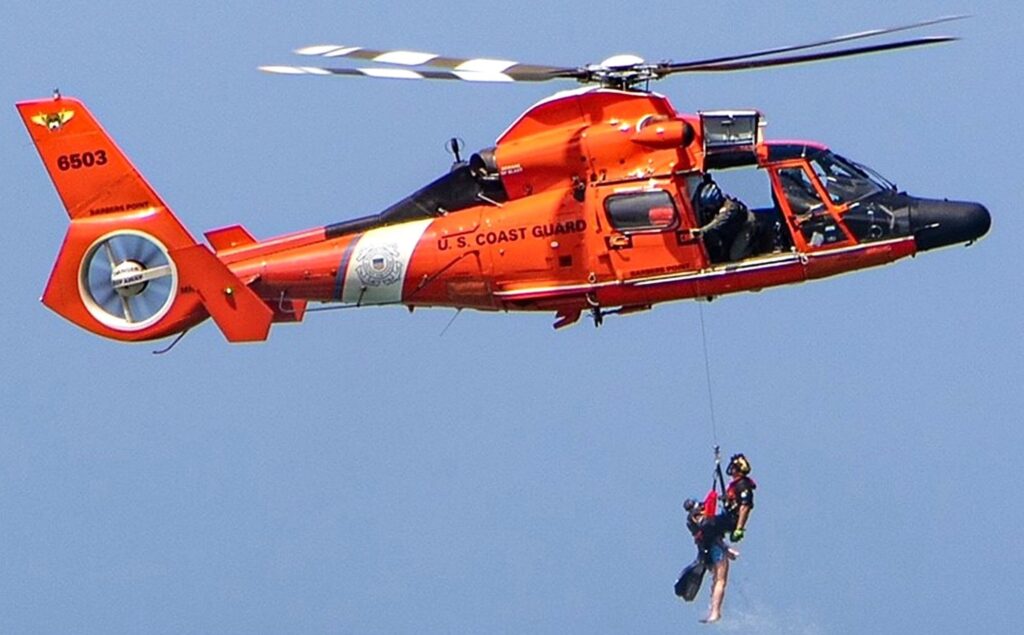
The U.S. Coast Guard uses a rating system similar to the Navy’s, but many ratings are unique to its missions. Coast Guardsmen serve in humanitarian, law enforcement, and maritime safety roles. Here are some core categories:
Aviation Group
- AMT – Aviation Maintenance Technician: Performs maintenance on aircraft structures and systems.
- AET – Avionics Electrical Technician: Installs and repairs aircraft electronic systems[24].
- AST – Aviation Survival Technician: Also known as rescue swimmers, they conduct search and rescue operations.
Administrative & Scientific Group
- HS – Health Services Technician: Provides medical and dental care onboard cutters and at clinics.
- MST – Marine Science Technician: Enforces environmental protection regulations and investigates marine incidents.
- PA – Public Affairs Specialist: Manages media relations and communication for the Coast Guard.
- SK – Storekeeper: Manages supplies and logistics.
- CS – Culinary Specialist: Prepares nutritious meals for crews.
- YN – Yeoman: Provides administrative support in personnel and pay matters.
Deck & Weapons Group
- BM – Boatswain’s Mate: Handles deck operations, seamanship, small‑boat operations, and search and rescue.
- ME – Maritime Law Enforcement Specialist: Enforces maritime laws and conducts port security.
- GM – Gunner’s Mate: Maintains and operates small arms and shipboard weapons.
- OS – Operations Specialist: Operates radar, communications, and navigation systems.
- IS – Intelligence Specialist: Collects and analyzes intelligence to support maritime security.
Engineering & Hull Group
- DC – Damage Controlman: Maintains watertight integrity, firefighting equipment, and safety systems.
- EM – Electrician’s Mate: Installs and repairs ship electrical systems.
- ET – Electronics Technician: Repairs electronics and communication systems.
- MK – Machinery Technician: Maintains propulsion systems and auxiliary machinery.
While smaller than the other armed services, the Coast Guard offers a wide range of career paths—from aviation rescue to cybersecurity. Ratings may also lead to commissioning programs for officers in maritime safety, aviation, engineering, and legal fields.

How to Choose the Right MOS
Selecting your MOS shapes your career. Here’s a concise guide to help you make an informed choice:
- Assess Your Interests and Strengths
- Make a list of your talents and subjects you enjoy. Aligning your interests with your MOS increases satisfaction.
- Understand the ASVAB and Line Scores
- The Armed Services Vocational Aptitude Battery (ASVAB) determines your MOS eligibility. It comprises ten subtests; four of them form the Armed Forces Qualification Test (AFQT). Line scores based on specific subtests match you to MOS requirements. Study guides and practice exams can improve your scores.
- Research Career Fields
- Explore the duties, training length, and assignments associated with each MOS. Talk to recruiters and service members who hold the jobs you’re considering.
- Weigh Civilian Equivalents and Goals
- Think about life after the military. Many technical or healthcare MOS transition smoothly into civilian careers, while combat roles build leadership and discipline valued in any field.
- Consider Bonuses and Programs
- Some high‑demand MOSs offer enlistment bonuses, loan repayment, or accelerated promotions. Ask recruiters about current incentives.
- Ask About Training and Deployments
- Understand where you’ll train and be based, how often units deploy, and what the lifestyle looks like.
- Prepare for Change
- You can change your MOS later through reclassification, but it requires meeting qualifications and sometimes reenlisting. Make your initial choice carefully, but know that flexibility exists.
Salaries and Civilian Equivalents
Military pay is determined by rank and years of service rather than MOS. However, some specialties receive extra incentives. For instance, linguists and cyber specialists may receive language or retention bonuses. Combat roles sometimes offer jump pay or hazard pay. When considering civilian equivalents:
- Healthcare MOSs (e.g., 68W, 4N0, HM) translate into paramedic, nursing, or physician assistant roles.
- Technical roles (e.g., 15E, 1B4, IT) align with careers in network administration, cybersecurity, or avionics.
- Construction and engineering MOSs (e.g., 12B, 3E3) lead to jobs in civil engineering, heavy equipment operation, and project management.
- Logistics roles (e.g., 88M, LS, 2G0) feed directly into supply chain management and transportation industries.
Civilian salaries will vary by region and experience. Military training often counts toward certifications and can shorten apprenticeships or licensure requirements.
Practical Guidance and Resources
Here is a step‑by‑step checklist to prepare for your military career:
- Study for the ASVAB: Use official study guides and practice exams. Focus on mathematics, vocabulary, mechanics, and electronics based on your desired MOS.
- Meet with a Recruiter: Discuss your interests and line scores. Ask about training timelines, duty stations, and MOS availability.
- Shadow Service Members: If possible, shadow or speak with someone who holds your target MOS. They can share daily tasks and deployment experiences.
- Ensure Eligibility: Some MOS require security clearances, medical qualifications, or physical fitness standards. Verify your eligibility early.
- Consider Officer or Enlisted Paths: If you have a college degree or plan to pursue one, discuss commissioning programs. Officers lead units and require different training pipelines.
- Plan for Cross‑Training: Be open to expanding your skillset. For example, a linguist might cross‑train into intelligence, or a medic may pursue aviation medical specialties.
- Stay Flexible: The needs of the military change. New MOSs like space operations and artificial intelligence are emerging; be prepared to adapt and grow.
Frequently Asked Questions
Can I change my MOS?
Yes. Reclassification is possible but requires approval, availability of training seats, and meeting qualifications. Typically, you must complete your initial enlistment obligation before requesting a new MOS.
What MOS bonuses are available?
Bonuses vary by service and the current needs of each branch. High‑demand MOSs such as cyber operations, linguistics, special operations, and healthcare often come with enlistment or re‑enlistment incentives. Speak with a recruiter for up‑to‑date bonuses.
What is the best military occupational specialty?
The “best” MOS depends on your personal goals. If you want adventure and leadership under fire, infantry or special operations may appeal to you. For technical minds, cyber or avionics fields might be better. Those seeking civilian transferability should consider healthcare, logistics, or engineering.
Which MOS sees the most combat?
Infantry MOSs (11B and 0311) traditionally see the most direct combat. Special operations (18 series, 03XX) also engage heavily. However, combat exposure depends on mission assignments and operational tempo.
What MOS is the hardest physically?
Special operations roles like Army Rangers (11B/75th Ranger Regiment), Special Forces (18 series), Navy SEALs, and Marine Recon demand the highest physical standards. Some aviation and engineering roles are also physically demanding due to heavy equipment and constant movement.
What MOS has the highest dropout rate?
Courses like Ranger School, BUD/S (SEAL training), and Special Forces selection have high attrition. Within technical MOSs, difficult courses such as cryptologic linguist training (35P/1N3) also experience attrition due to language demands.
How long does it take to train for an MOS?
Training length ranges from a few weeks to over a year. Infantry training lasts around 14 weeks, while advanced linguist training can extend to two years. Aviation and nuclear power training pipelines are long and complex.
Final Thoughts
Selecting a Military Occupational Specialty is an exciting step toward a purposeful career. Whether your goals are to serve your country, gain life‑changing experiences, or launch a civilian career, the MOS you choose will shape your journey. As someone who began in conventional units and retired from Special Forces, I know how transformative the right role can be.
Resources to Prepare for a Military Service:
If you’re thinking about or preparing for military service, then I invite you to learn more about our resources to help you achieve your goal:
- Train Up – Arrive Prepared for Military or Special Operations Training
- Special Operations Mindset – Develop a Champion’s Mindset
- Fitness Programs – Get into Amazing Shape
- Military Leadership Course – Become the Leader Everyone Loves
- Military Planning Course – Plan Like Your Life Depends on It
Life is a Special Operation. Are you ready for it?

Training Preparation
Arrive Prepared for Military & Special Operations Training

Special Operations Mindset
Develop the Champion Mindset of the Best Trained and Most Elite Forces in the World

Fitness
Get into Amazing Shape

Elite Performance Skills
Win - Lead - Succeed