Top 8 Rucksacks for Women: Built for Rucking, Travel & Everyday Use
Introduction: Why the Right Rucksack Matters
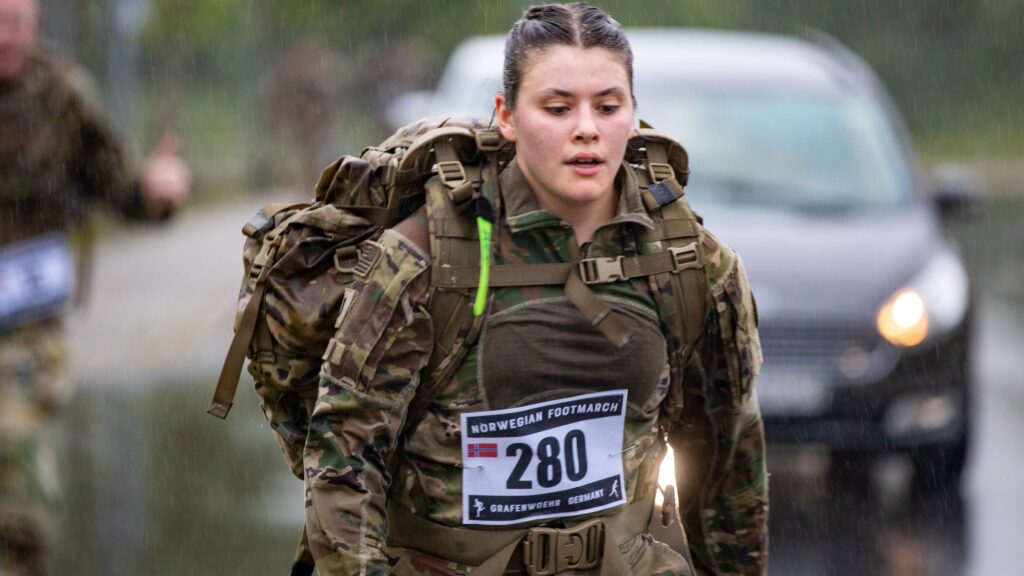
Rucking — walking or hiking with a weighted backpack — is trending because it marries simplicity with serious fitness benefits. It began as military training in ancient armies and is now embraced by weekend hikers and urban fitness fans alike. If you’re looking for a rucksack, chances are you want something that can handle workouts and everyday life. That’s why three of my top picks focus on exercise, while the rest are versatile enough for commuting, travel or just running errands. In this guide I break down what rucking is, why it’s good for you, and which rucksacks deserve your attention. I’ve been in your boots, and I know what works.
My Experience – Lessons From a Green Beret
As a former Special Forces officer, I’ve ruck‑marched thousands of miles over mountains, deserts and city streets. Those miles taught me the difference between junk that hurts and gear that supports your mission. I’ve worn backpacks that dug into my shoulders, shifted their load at the worst moment and fell apart after a few uses. I’ve also worn rucksacks that fit like a glove, carried weight comfortably and never let me down. I stand by the recommendations in this article because they’re based on my experience and the research below. Yes, I include affiliate links to GORUCK and Amazon, but my integrity means I only recommend gear I would use myself. Now, let’s cover the basics.
What Is Rucking?
Rucking is simply walking or hiking with a weighted pack. Health experts explain that adding weight increases the muscular force required for every step, making walking more intense without the pounding of running. It originates from military training dating back to the seventh century B.C., when soldiers carried heavy gear across long distances. Unlike running, rucking uses the same walking motion you already know, but the added resistance builds strength, endurance and stamina. Research shows that a load‑carrying program can improve muscular power and oxygen intake while lowering the perceived effort of walking. Carrying weight also increases calorie burn and improves muscle power in older adults. Because you’re outdoors, rucking offers mental health benefits too.
Why Rucking Is Good for Women
Rucking isn’t just for soldiers. It’s a full‑body workout that
- Builds strength and endurance. Carrying extra weight challenges your legs, core and upper body while improving cardiovascular fitness.
- Protects joints. Rucking is low‑impact compared with running; your knees and hips don’t take the pounding.
- Improves bone density. Weight‑bearing exercise like rucking stimulates bone growth, lowering the risk of osteoporosis.
- Boosts mental health. Outdoor exercise reduces stress and increases mood, especially when combined with fresh air and nature.
- Reduces disease risk. Regular rucking helps maintain healthy blood pressure and lowers the risk of conditions like diabetes and heart disease.

Getting Started Safely
You don’t need fancy gear to start rucking. WebMD notes that a padded backpack with tight straps works fine; just avoid letting the weight shift. Begin with about 10 % of your body weight and walk for 2 miles at a comfortable pace. Increase weight or distance gradually. Maintain good posture — keep your torso upright and engage your core. Rest and listen to your body, especially if you have injuries or are pregnant. As you progress, consider a purpose‑built rucksack for comfort and durability.
What’s the Best Rucksack?
It has always been my opinion that the best rucksack is the one you already own. If you have a sturdy backpack that fits well and can hold a few weight plates, use it. A “free” ruck is better than buying gear you don’t need. However, specialized rucks offer padded straps, reinforced stitching and weight‑distribution features that make long marches comfortable. In the sections below I recommend durable rucks for heavy training and versatile packs for daily use. Affiliate links let me earn a small commission at no extra cost to you.
*** and when you see a “L” … as in “20L” – it means liters … as in this backpack has a storage capacity of 20 liters.
Durable Rucksacks for Women
If you plan to carry 20 lb or more on long walks, choose a ruck designed for durability and comfort. These packs use thick materials, reinforced stitching and design features that stand up to abuse.
#1 Rucksack for Women: Go Ruck GR1 (20–26 L)
Go Ruck GR1 (with my Avant Affiliate Link) – The flagship bag from a company founded by a fellow Green Beret – is my top pick. I own this pack in two colors and have used it for heavy ruck marches and even weekend trip to Venice.
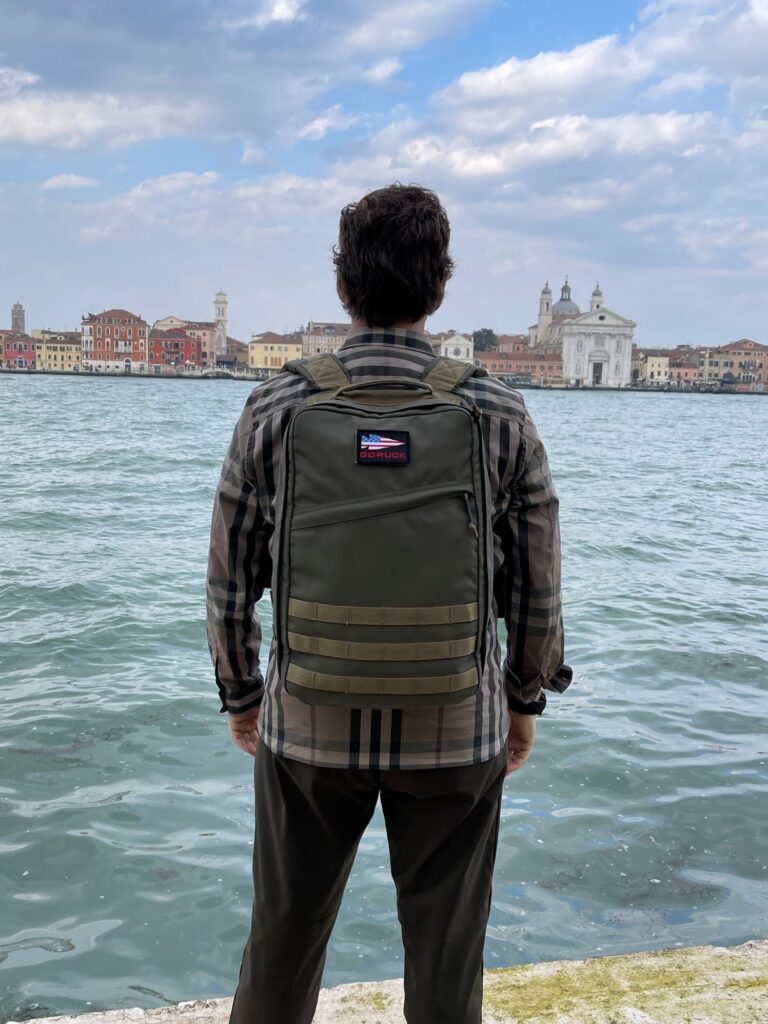
Here’s why the GR1 is my all-time favorite:
- Rugged build. The GR1 uses 1000D Cordura nylon, YKK zippers and extra‑thick stitching. Reviewers call it extremely durable with top‑notch craftsmanship.
- Minimalist design with functional organization. The GR1 has interior PALS webbing and multiple pockets but no unnecessary frills. The design is simple yet effective.
- Bombproof laptop compartment. It features a reinforced pocket with a false bottom to protect your laptop from impacts.
- Comfortable for heavy loads. Thick shoulder straps, a padded back panel and a stiff frame distribute weight evenly.
- Lifetime warranty. Go Ruck offers a SCARS lifetime guarantee. The bag is an investment, but it will last a lifetime.
Amazon users consistently rate the GR1 around 4.7/5 stars because of its build quality and versatility. If you buy only one rucksack, this is the one.
#2 Rucksack for Women: Go Ruck Rucker 4.0 (20–25 L)

Go Ruck Rucker 4.0 – sometimes called the “tactical version” – is built specifically for heavy rucking events. If your motto is “go heavy or go home,” this pack is for you.
- Purpose‑built for rucking. Like the GR1, the Rucker uses rugged Cordura fabric and high‑quality zippers, but it adds features like a molded training plate pocket so weights don’t shift when you move.
- Integrated hip belt and handles. Multiple grab handles and an optional hip belt help control a heavy load during fast movements.
- Water‑resistant and ready for abuse. The exterior resists abrasions and rain; it’s designed for GORUCK challenges and military‑style events.
- Comfortable straps. Thick shoulder straps with dense foam make carrying 30–40 lb comfortable for hours.
This ruck scores high with athletes for its durability and performance. It may weigh a bit more, but the trade‑off is a pack that handles anything.
#3 Rucksack – Cooler: Yeti Hopper M20 Backpack Cooler
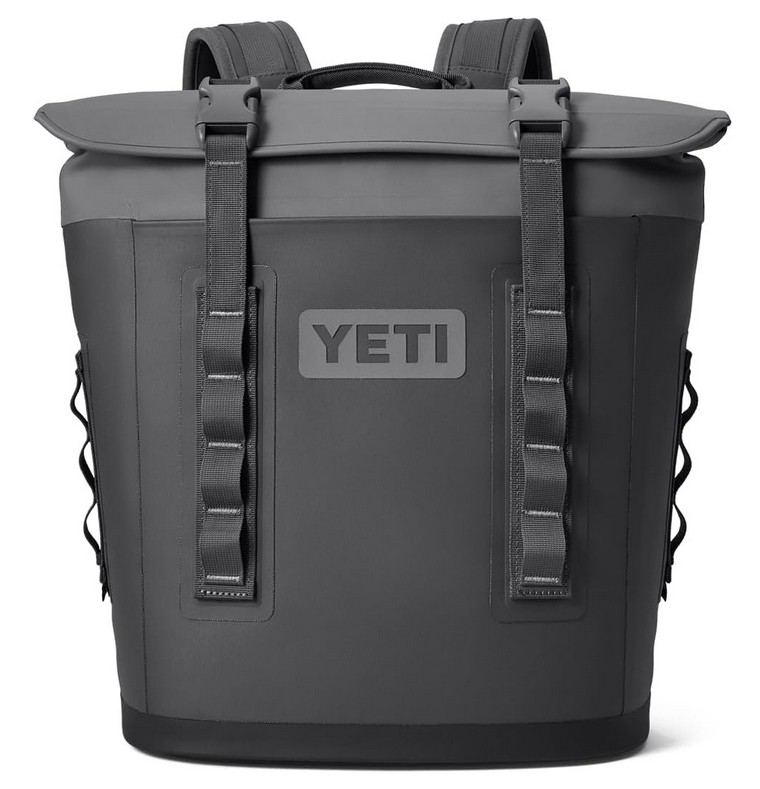
Yeti Hopper M20 – For those who want a ruck that doubles as a cooler, Yeti’s Hopper M20 is the premium choice.
- Superior insulation and leakproof seal. The backpack uses closed‑cell foam to keep drinks cold for hours, and a magnetized opening prevents leaks.
- Durable shell. The thick, tear‑resistant fabric resists UV damage and mildew.
- Secure closure. Quick‑release buckles and strong magnets keep the top closed even when fully loaded.
- HitchPoint Grid. External loops allow you to attach bottle slings or gear.
- Heavy and pricey. The cooler is heavier and more expensive than other options, but its performance justifies the cost.
Cons: This is a rucksack cooler. So if you want to to use it to move heavy weight, this is not the ruck for you.
Pros: But if you want to load up a huge picnic and enjoy lunch with friends and family after a long hike, this is the rucksack cooler for you.
Amazon reviews average around 4.8/5, praising the cooler’s ability to keep ice solid during long hikes. Choose this pack if you value cold drinks on the trail and can handle the weight.
#4 Women’s Rucksac with a Laptop Compartment: GR1 (Large) – Travel & Laptop
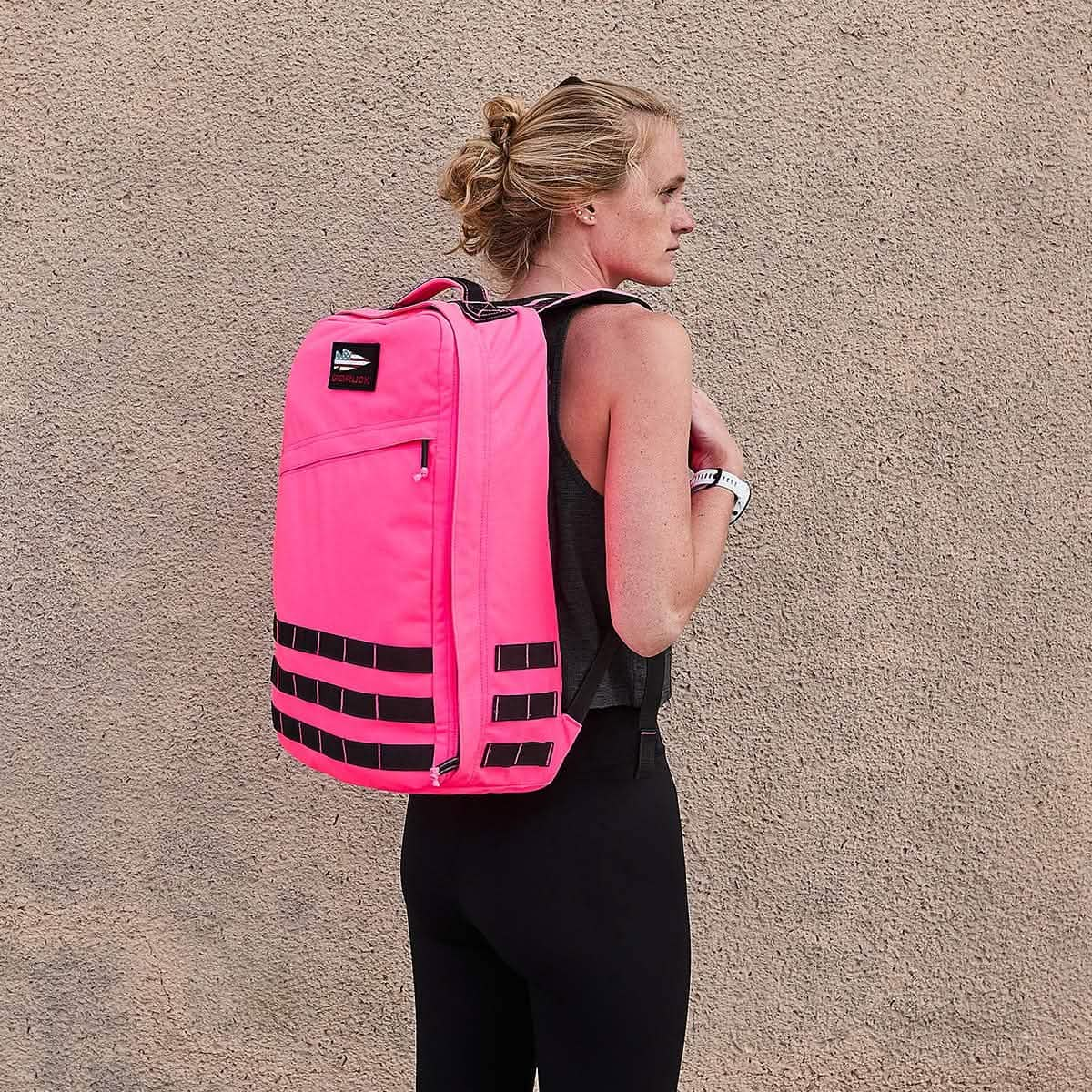
Go Ruck GR1 – 26 L or 34 L – For travel or carrying a laptop with room to spare, I recommend the larger version of the GR1.
- False bottom and padded sleeve. The laptop compartment is reinforced on all sides, protecting your computer during travel.
- Expandable capacity. Choose 26 L or 34 L depending on how much gear you need. Both sizes meet most carry‑on requirements.
- Travel‑friendly design. The pack opens flat like a suitcase, making it easy to pack and access items. It’s ideal for weekend trips or as a one‑bag travel solution.
- Fits weight plates. You can still insert ruck plates for workouts. This versatility makes it a great investment.
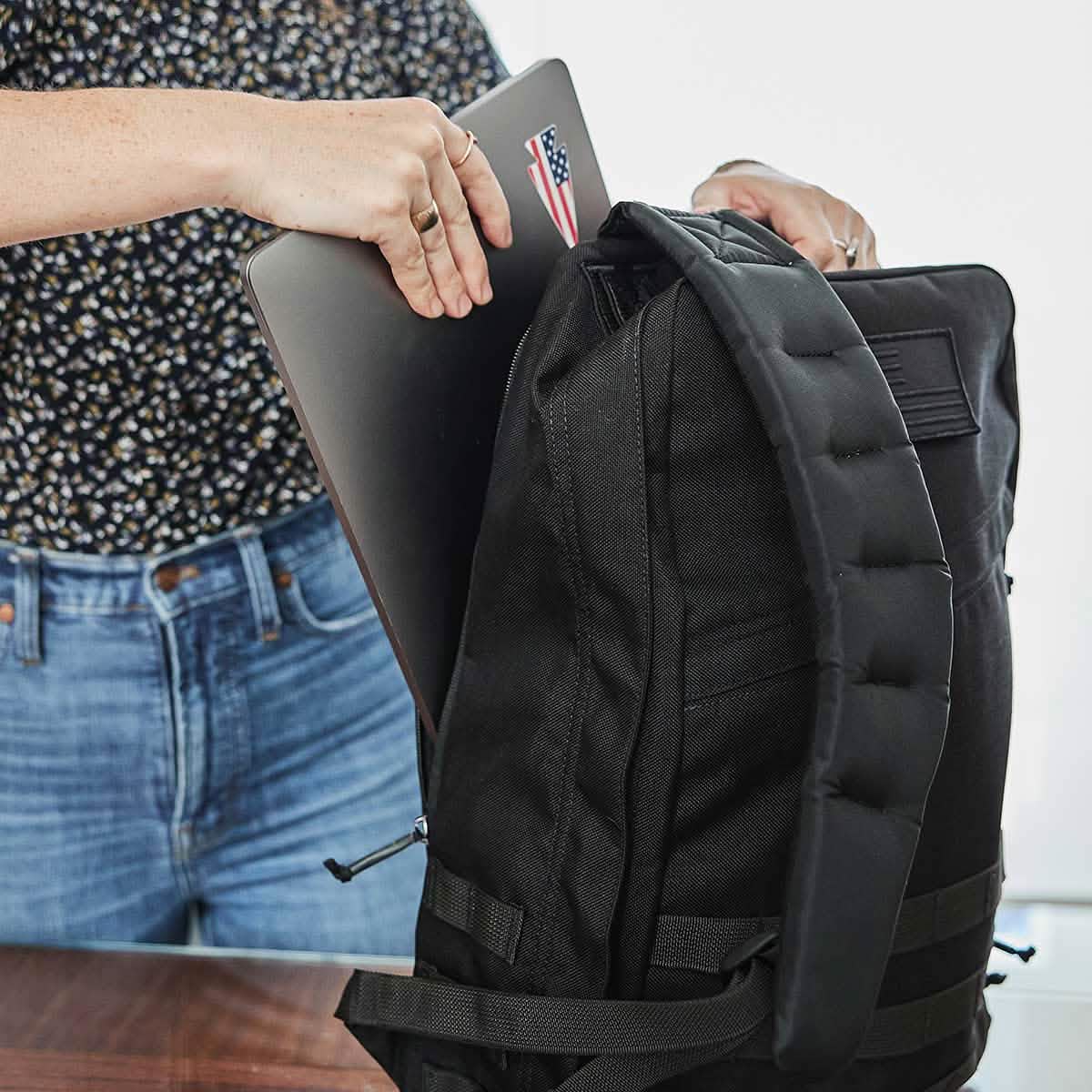
Note: I have the 20L GR1 and it fits my 15.5 inch Laptop. But it doesn’t fit my larger 17″ Hewlett Packard Z Book Laptop. So if you need a rucksack laptop compartment for a larger laptop – then you will need to get the larger versions (26L or 34L) of the GR1.
Versatile & Everyday Rucksacks
Not every ruck needs to be bombproof. If you want a pack for commuting, day hikes or travel, these versatile options combine comfort with practical features.
#5 Rucksack Northface: The Borealis (28 L)
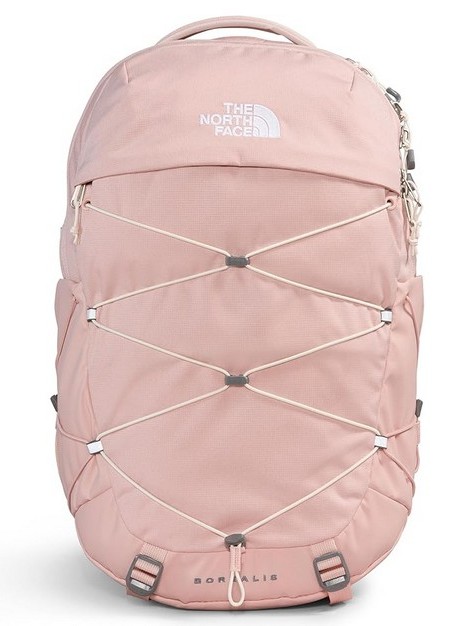
The North Face Borealis – A value‑packed commuter bag with thoughtful organization.
- Comfortable harness system. Reviewers praise the flexible straps and good load distribution.
- Bungee storage & daisy chains. The exterior bungee cord and daisy chains allow quick stashing of jackets or gear.
- Multiple pockets. It has stretchy mesh water‑bottle pockets, a soft‑lined quick‑grab pocket and a horseshoe‑opening main compartment with lots of organization.
- Good value. The Borealis offers quality and features at a reasonable price[13].
- Minor drawbacks. The laptop sleeve has a slight false bottom and there are no elastic strap keepers.
Users consistently give this pack 4.5‑star ratings for its durability and commuter‑friendly design.
#6 Rucksack Osprey: Tempest 22 (Women’s Fit)
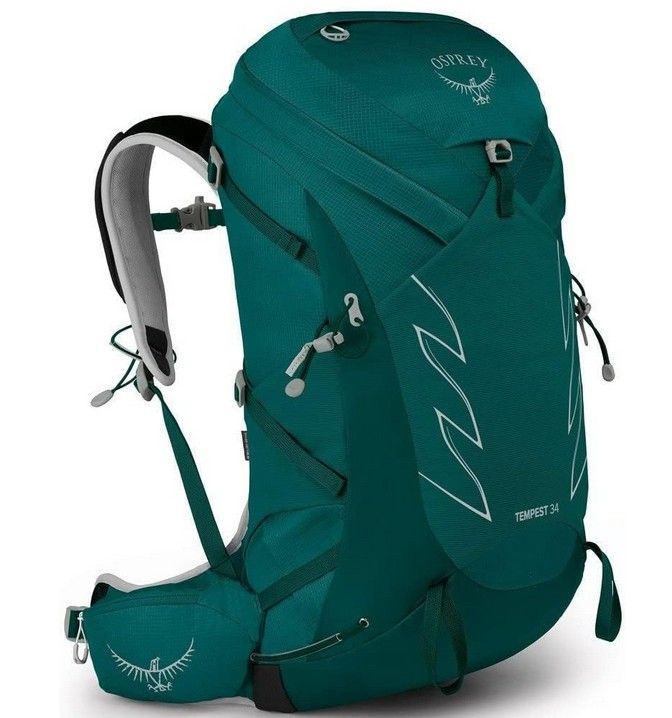
Osprey Tempest 22 – Designed specifically for women, this daypack balances support, ventilation and storage.
- Excellent ventilation. The backpanel uses airy foam that promotes airflow while still providing support.
- Multiple compartments. There’s a main compartment, accessory pockets, stretch‑mesh front and side stashes, and hipbelt pockets for quick‑access items.
- Adjustable torso length. The pack’s harness system adjusts to fit different torso lengths (14–19 inches).
- Versatile attachments. Attach trekking poles, a bike helmet or even an ice axe thanks to dedicated loops.
- Slightly heavier. It’s not the lightest daypack, but its features make up for the weight.
Hikers rate this pack around 4.7/5. It’s a great crossover bag for day hikes and light rucking.
#7 Rucksack with a Cooler: Maelstrom Backpack Cooler
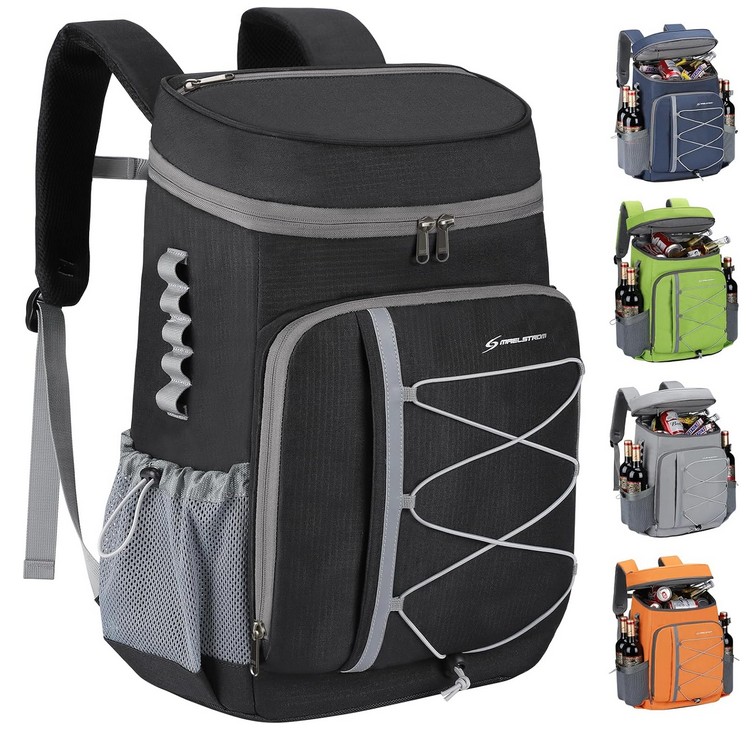
Maelstrom Backpack Cooler – A budget‑friendly cooler backpack for picnics, hikes and beach days.
- Large capacity. It holds up to 35 cans but weighs only 15 oz.
- Affordable price. This cooler costs a fraction of premium brands, making it accessible to everyone.
- Leakproof design. The interior liner prevents leaks, and extra pockets provide storage for utensils or keys.
- Moderate insulation. It keeps items cold for about seven hours without ice or longer with ice packs.
- Less durable. Construction is adequate but not as robust as higher‑end coolers.
With average ratings around 4.5/5 (from over 5000 reviewers) – this cooler is perfect for casual outings or as an entry‑level ruck for beginners.
#8 Rucksack for Travel: LOVEVOOK Travel Backpack (40 L)
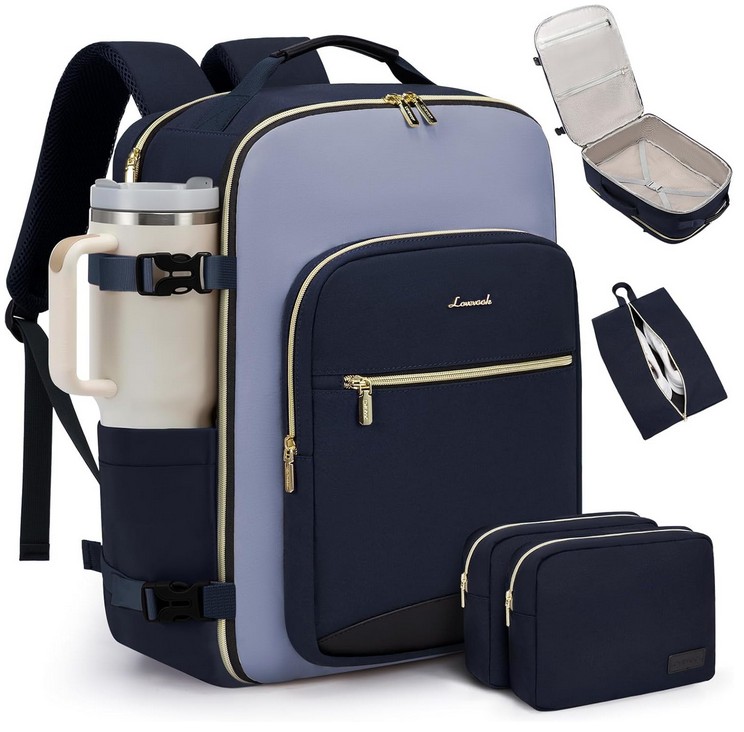
LOVEVOOK Travel Backpack – A stylish, airline‑approved women’s travel pack.
- Clamshell opening. The bag opens flat like a suitcase, making it easy to pack and find items.
- Spacious 40 L capacity. It fits under most airline seats and measures 18 × 12.5 × 8.5 inches.
- Lots of pockets. There are more than 20 compartments including a padded sleeve for a 17‑inch laptop, a waterproof pocket for wet clothes and a hidden back pocket.
- Included packing cubes. Three packing cubes and a shoe bag help organize your gear.
- Durable and comfortable. Tear‑resistant, water‑resistant fabric, adjustable shoulder straps and a ventilated back panel make long carries easier.
- Bulky when overpacked. The pack can be heavy and may squeeze into larger laptops snugly.
2421 Reviewers rate this bag around 4.6/5 for its style and functionality — a great choice for weekend getaways or as a personal item on flights.
Frequently Asked Questions
What is a rucksack and how is it different from a backpack?
A rucksack is essentially a backpack. The word “ruck” comes from the German word for “back.” In modern usage, a rucksack usually refers to a pack built for carrying heavier loads with extra padding, reinforced seams and sometimes an internal frame. Backpacks may be smaller and intended for lighter daily use. That said, any comfortable backpack can serve as your rucksack when you’re starting out.
Is rucking safe for beginners?
Yes — if you start slowly. Begin with about 10 % of your body weight and walk at a comfortable pace for two miles. Maintain good posture and increase weight or distance gradually to avoid overuse injuries. People with existing injuries or during pregnancy should consult a healthcare provider.
How do I choose the right ruck weight?
Most beginners start with 10 % of body weight and increase by 5 lb at a time. The goal is to feel challenged but not strained. If you can’t maintain good posture, reduce the weight until you can walk comfortably.
Can I use a regular backpack for rucking?
Absolutely. A padded backpack with tight straps works fine. For heavier weights (20 lb or more), a purpose‑built ruck like the Go Ruck GR1 distributes the load more comfortably and lasts longer.
What are the best rucksacks for women for heavy loads?
For durability and comfort, I recommend the Go Ruck GR1 and Go Ruck Rucker 4.0. These packs use rugged materials, have comfortable straps and are designed for carrying weight over long distances.
How do I prevent back or shoulder pain while rucking?
Use proper posture: stand tall, engage your core, and avoid leaning forward excessively. Make sure the weight is close to your back and adjust the straps so the pack sits high on your shoulders. Gradually build up your strength and take rest days.
What should I pack in my rucksack for a hike or workout?
Essentials include: water, healthy snacks, weight plates or sandbags (for training), a first‑aid kit, a lightweight jacket, and your phone/ID. If using a cooler backpack, add ice packs, drinks and perishable snacks. For travel rucks, include packing cubes, toiletries, electronics and a change of clothes.
Are there any good resources for learning more about rucking?
Yes! I have three popular YouTube videos that cover rucking basics and tips. These videos expand on the advice in this article and give you visual guidance.
What is Rucking? – and Why Everyone Should Ruck March
Mastering Your Ruck March: 10 Must‑Know Tips for Success
Always Use an 8‑Pound Weight When Rucking – Here’s Why!
Final Thoughts – Your Path Forward
Choosing the right rucksack sets you up for success, whether you’re training for a ruck march, commuting to work or traveling the world. The eight packs above are my top picks because they balance durability, comfort and practical features. Some cost more, but a well‑built ruck can last a lifetime. Remember: start with the pack you have, focus on good posture and enjoy the journey.
If you’re ready to push your limits, check out my 90‑Day Ruck March Hero program. It takes you from Zero to Hero in three months.

Use the code RUCKSACK.WOMEN at checkout to save 40% off the regular price — my gift to readers who stick around to the end.
Life is a Special Operation. Are you ready for it?

Training Preparation
Arrive Prepared for Military & Special Operations Training

Special Operations Mindset
Develop the Champion Mindset of the Best Trained and Most Elite Forces in the World

Fitness
Get into Amazing Shape

Elite Performance Skills
Win - Lead - Succeed