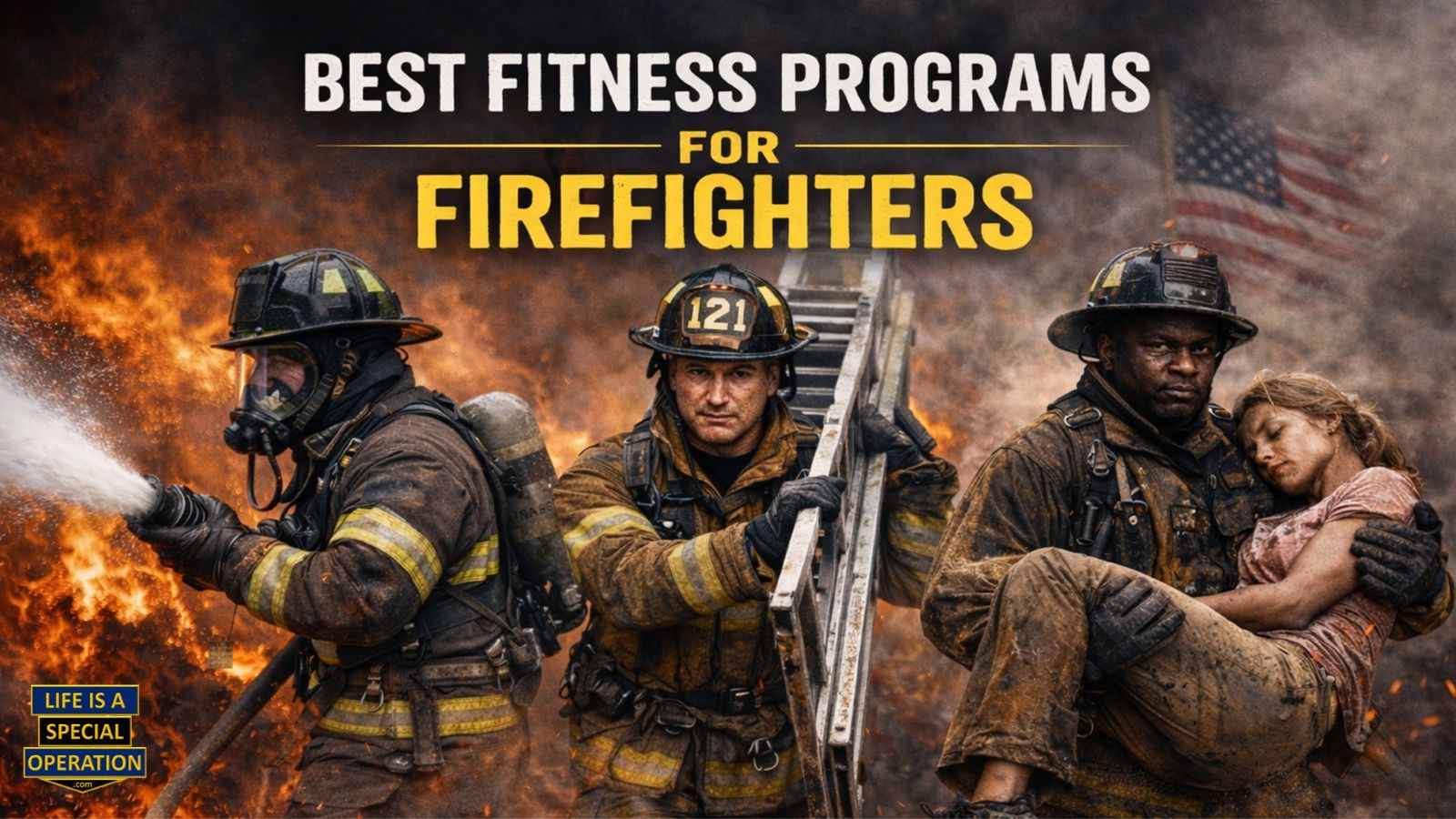
What Firefighter Fitness Actually Requires
Firefighters are tactical athletes. They need more than gym strength and more than casual cardio. The job requires a blend of lower-body power, stair endurance, grip strength, trunk stability, upper-body endurance, repeat-effort conditioning, and the ability to move under load without falling apart. That job-task reality is visible in CPAT events and in firefighter physical performance testing, which repeatedly centers climbing, lifting, dragging, carrying, and overhead work under load.
In practical terms, firefighter fitness means being able to carry heavy equipment into a fire, drag hose, carry external cylinders, move tools, pull or drag an unconscious person, and move victims or heavy bodies down stairs when everything in your body wants to slow down. It means being able to go up and down ladders, brace awkward loads, and keep working when your heart rate is high and your breathing is constrained by gear. The CPAT was created to measure whether candidates can perform critical firefighter job tasks safely, and its event design makes clear that firefighter readiness is task-specific, not cosmetic.
That is also why firefighter fitness should include a hybrid energy system approach. Pure steady-state cardio is not enough. Pure lifting is not enough. Firefighters need a mix of aerobic base, high-output intervals, loaded movement, carries, climbing, recovery capacity, and the structural strength to resist overuse and overexertion. That matters because overexertion and strain are leading causes of firefighter injury on the fireground.
Reality Check: The Job Gets Harder, Not Easier
If you can climb stairs fresh, the next standard is climbing stairs under load. If you can carry weight in the gym, the next standard is carrying weight after poor sleep, after a long shift, in gear, in heat, with urgency, and without sloppy movement.
That is why firefighters need two modes of training.
The first mode is on-call fitness: simple, efficient, sustainable workouts you can do regularly while staying ready for a call. The second mode is off-duty development: harder sessions where you can push strength, work capacity, muscle, and endurance more aggressively because you have more recovery margin and fewer interruptions.
That combination is not a luxury. It is smart operational training. Firefighters, like soldiers in constrained environments, often have to make do with limited time, limited equipment, and uncertain interruptions. The best program respects that reality instead of pretending every week is built around perfect gym access.
CPAT: Everything You Need to Know
The Candidate Physical Ability Test (CPAT) is the standardized physical test used across North America to determine whether a candidate can safely perform essential firefighter job tasks.
Unlike many fitness tests, the CPAT is not about maximizing performance—it is about proving minimum operational readiness under realistic conditions.
CPAT Is Pass/Fail (Not a Score-Based Test)
There is no scoring chart, ranking system, or percentile breakdown.
You either:
- PASS by completing all events correctly within the time limit
- FAIL if you exceed the time or violate a movement standard
Time limit: 10 minutes and 20 seconds
This matters because the CPAT is not designed to reward elite athletes—it is designed to ensure that every firefighter can do the job when it counts.
CPAT Events Breakdown
The test includes eight sequential events performed while wearing a weighted vest that simulates firefighting gear.
1. Stair Climb
Climb continuously on a stair machine for 3 minutes under load. This tests lower-body endurance and aerobic capacity.
2. Hose Drag
Drag a charged hose line forward, then pull additional hose hand-over-hand. This tests full-body strength, grip, and coordination.
3. Equipment Carry
Carry two heavy tools (typically saws) out and back. This tests grip strength, shoulder stability, and load-bearing capacity.
4. Ladder Raise and Extension
Raise one ladder and extend another using a rope system. This tests coordination, upper-body strength, and control under load.
5. Forcible Entry
Strike a weighted sled with a sledgehammer. This simulates breaking through doors or barriers.
6. Search
Navigate a dark, confined maze. This tests mobility, spatial awareness, and composure under stress.
7. Rescue
Drag a 165 lb mannequin backwards. This simulates removing an unconscious victim.
8. Ceiling Breach and Pull
Use a pike pole to push and pull overhead weight. This tests shoulder endurance and upper-body work capacity.
What the CPAT Is Really Testing
The CPAT is not testing gym performance—it is testing real-world firefighter capability:
- Can you move under load?
- Can you sustain effort under fatigue?
- Can you control your body when your heart rate is high?
- Can you perform useful work, not just look strong?
That is why training for the CPAT must be task-specific, not cosmetic.
CPAT Training Guide: What to Train for Each Event
Here’s the practical breakdown you can include:
CPAT Event | What It Tests | Best Ways to Train |
Stair Climb | Leg endurance, aerobic capacity | Stair climbs, step-ups, incline treadmill, rucking |
Hose Drag | Full-body strength, grip, coordination | Sled drags, rope pulls, farmer’s carries |
Equipment Carry | Grip, shoulders, load-bearing | Heavy carries, suitcase carries, trap bar carries |
Ladder Raise | Upper-body control, coordination | Overhead presses, sandbag lifts, controlled raises |
Forcible Entry | Explosive power | Sledgehammer swings, medicine ball slams |
Search | Mobility, composure | Crawling drills, confined-space movement, mobility work |
Rescue | Posterior chain, total-body strength | Deadlifts, sled drags, sandbag carries |
Ceiling Breach | Shoulder endurance | Overhead press, pike pole simulation, high-rep push work |
Key Insight: Why Most People Fail the CPAT
Most failures don’t come from lack of strength.
They come from:
- Poor pacing
- Lack of aerobic base
- Weak grip under fatigue
- No experience moving under load
The CPAT punishes people who train randomly and rewards those who train specifically and consistently.
How to Choose the Right Firefighter Fitness Program
Choose a firefighter fitness program the same way you would choose gear for a mission: based on what the job actually demands and what you actually need.
Start with your biggest weakness. If you gas out on stairs, need better endurance, or struggle under load, choose a program that builds your engine and your load-bearing legs. If your upper body and grip are weak, choose a program that builds pulling and pressing endurance. If you need a complete tactical system, choose a program that gives you full-spectrum physical preparation.
Then choose a format you will actually follow. App-based programs often work well for firefighters because they provide structure, flexibility, and accountability. Simpler plans can be better on shift. Harder, longer sessions can be saved for off-duty blocks.
And most importantly, stop plan-hopping. Pick the right program, commit to it for at least 12 weeks, and let disciplined training do its work.
My Top Recommendation for Firefighter Fitness
Warfighter (MASS)
Link: Start Warfighter
Instructor / Company: Built by Green Berets with support from elite athletes and strength coaches
Format: App-based training program with interactive coaching
Why it’s good: If you just want to get into amazing shape, this is the one. Warfighter is my number one recommendation for firefighters because it builds the kind of complete tactical fitness this job demands: strength, endurance, durability, structure, and accountability. The app format matters because firefighters do not always train on a neat schedule. They need a program that can travel with them, guide the session, track progress, and keep them moving forward even when life is messy.
Why it fits firefighters: Firefighters need a blend of on-duty practicality and off-duty progression. Warfighter is strong on both. It gives you structured training you can execute consistently, but it also allows you to go hard when you have the time, recovery, and gym access to really push your development. If you only choose one program, this is it.
Best fit: Firefighters, firefighter candidates, first responders, and serious civilians who want the best overall physical training system
Watch-outs: It still requires consistency. A good app does not substitute for discipline.
Bonus: Use code LIFEISASPECOP for a free 7-day trial and a 10% discount.
Best LIASO Programs for Firefighters
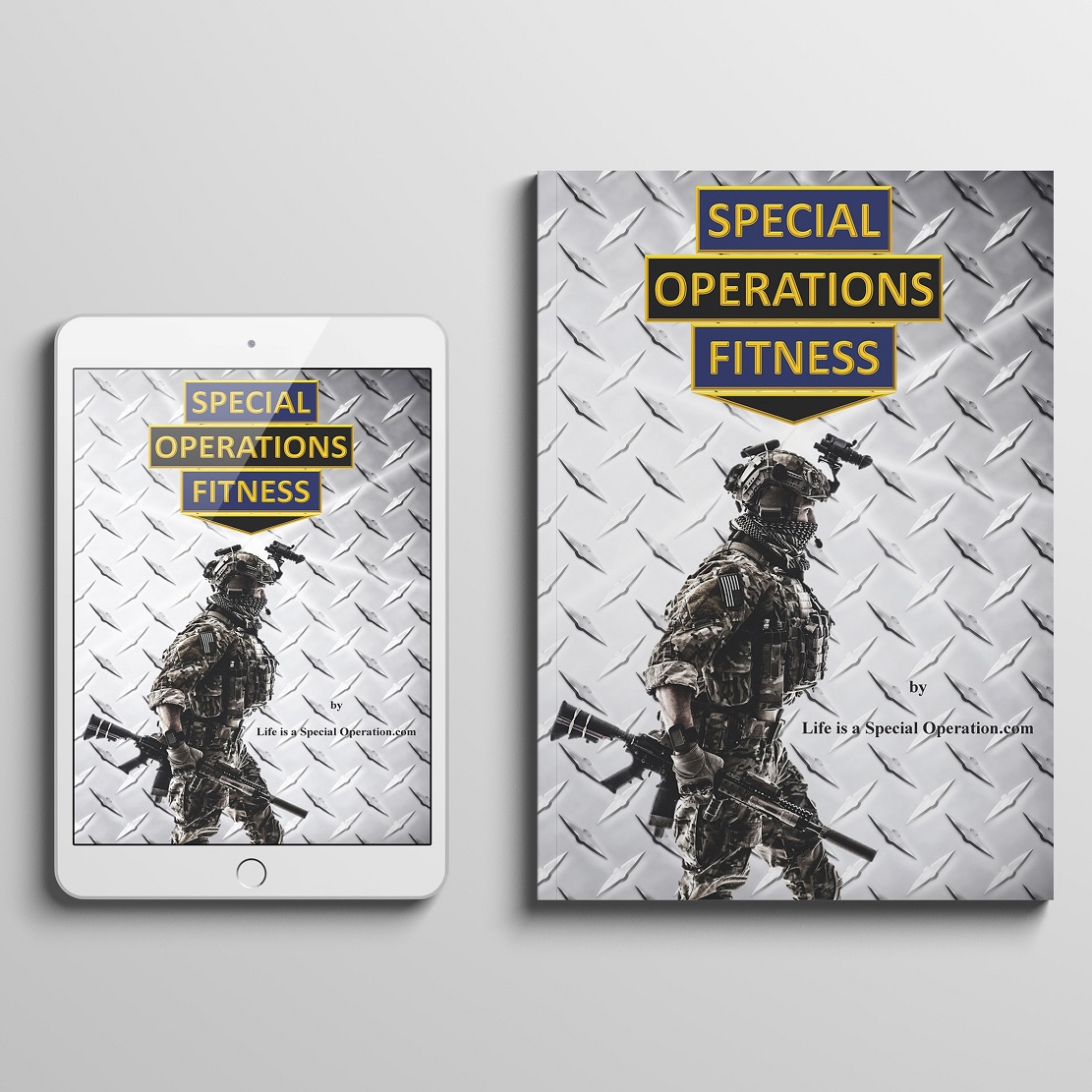
Special Operations Fitness: 12-Week Program
Link: Start Special Operations Fitness
Format: Structured 12-week tactical fitness program
Why it’s good: This is my best LIASO option if you want a serious, full-body, tactical-style conditioning program. It is designed to build strength, endurance, and durability in a practical way. For firefighters, that means better work capacity, better movement under fatigue, and a stronger overall physical base for real-world demands.
Best fit: Firefighters or candidates who want a hard, structured physical training plan without overcomplicating things
Watch-outs: Less interactive than app-based coaching; you have to self-execute with discipline.
90-Day Ruck March Hero
Link: Start 90-Day Ruck March Hero
Format: Endurance and load-bearing program
Why it’s good: Firefighters carry gear, tools, tanks, hose, and sometimes human beings. That is why this program fits so well, even though it comes from a military context. It builds leg endurance, mental durability, and the ability to keep moving under load. If stairs, fatigue, and lower-body burn are your weakness, this is where I would start.
Best fit: Firefighters who need stronger legs, better endurance, and more confidence moving under load
Watch-outs: It is not a bodybuilding program. It is performance-focused.
90-Day Pull-Up Hero
Link: Start 90-Day Pull-Up Hero
Format: Upper-body pulling strength and endurance program
Why it’s good: Firefighters need pulling power, back strength, grip, and upper-body durability. Whether you are handling tools, dragging hose, controlling awkward loads, or building the kind of upper-body resilience that supports climbing and repeated work, pulling strength matters. This program attacks that directly.
Best fit: Firefighters whose grip, pull-ups, upper back, and pulling endurance are weak
Watch-outs: Best used as a targeted solution for a real weakness, not as your only form of conditioning.
90-Day Push-Up Hero
Link: Start 90-Day Push-Up Hero
Format: Pressing endurance and upper-body work-capacity program
Why it’s good: This program is excellent for building chest strength, pressing endurance, shoulder stamina, and general upper-body work capacity. Firefighters do not just need maximal force; they need repeated effort. Push-Up Hero helps build that kind of durable pressing ability.
Best fit: Firefighters who need stronger pressing endurance and a better upper-body engine
Watch-outs: Like Pull-Up Hero, this works best as a targeted tool inside a broader fitness strategy.
Real-World Scenarios: What Should You Choose?
I’m preparing for the CPAT (Candidate Physical Ability Test).
Start with Warfighter. It is the best overall system for building the strength, conditioning, and work capacity you need for stairs, carries, drags, and repeated effort under fatigue.
I’m already a firefighter, but I need to get back into serious shape.
Start with Warfighter if you want the best total package. Start with Special Operations Fitness if you want a hard, practical, no-fluff tactical program that focuses on real-world performance.
Stairs and heavy carries destroy me.
Start with 90-Day Ruck March Hero. It is the best fit for building endurance, load-bearing leg strength, and the mental durability required to keep moving under fatigue.
My upper body gives out first.
Choose 90-Day Pull-Up Hero if your pulling strength, grip, and upper back are the issue. Choose 90-Day Push-Up Hero if your pressing endurance, chest strength, and shoulder stamina are your weak points.
I need a simple system that still lets me train hard when I’m off.
That is exactly why Warfighter is my top recommendation. It gives you structure when life is chaotic and allows for real progression when you have the time, recovery, and space to push harder.
Frequently Asked Questions (FAQ)
What is the best workout program to prepare for the CPAT?
The best workout program to prepare for the CPAT is one that trains the actual demands of the test: stairs, carries, drags, work capacity, and movement under fatigue. The CPAT includes events such as stair climb, hose drag, equipment carry, ladder raise and extension, rescue, and ceiling breach and pull, so your training should reflect those demands rather than just general gym fitness. That is why I recommend Warfighter as the best overall choice for CPAT preparation.
How can I improve my aerobic capacity while wearing 50+ lbs of gear?
You improve that kind of aerobic capacity through a hybrid approach: steady aerobic work to build your engine, intervals to improve high-output capacity, and loaded movement such as stairs, carries, and uphill work. Firefighter testing and job-task standards make clear that lower-body endurance and aerobic capacity under load matter. If that is your weakness, combine a full system like Warfighter with dedicated endurance work and load-bearing training.
What are the best exercises for fireground functional strength?
The best fireground exercises are the ones that look like the job: sled drags, loaded carries, stair climbing, step-ups, deadlifts, lunges, rows, presses, and rotational trunk work. Firefighter performance testing consistently centers carrying, dragging, climbing, lifting, and overhead movement, so your training should do the same. Fancy exercises are not the answer here; useful movement patterns are.
How do I balance strength training with a 24/48 or 48/96 shift schedule?
Think in terms of readiness and opportunity. On duty, favor simpler, shorter sessions that preserve readiness and maintain consistency; off duty, use longer or harder sessions to build strength, muscle, and conditioning. Firefighters need a system that works around fatigue and interruptions, which is one reason app-based structure can be so useful.
How can I prevent lower back and knee injuries on the job?
You reduce back and knee injury risk by building stronger legs, stronger trunk stability, better movement quality, better load tolerance, and enough aerobic fitness that fatigue does not destroy your mechanics. That matters because overexertion and strain are major drivers of firefighter injury, and poor conditioning increases the likelihood that heavy work becomes sloppy work. Strengthen the body, move well, and do not ignore recovery.
Should I do HIIT or steady-state cardio for firefighting?
Both. Firefighting is not a one-energy-system job, so the smart answer is a hybrid tactical approach that combines aerobic base work with harder intervals and loaded movement. You need enough engine to keep going and enough high-output capacity to perform hard bursts of work without falling apart.
What is the best weight vest for firefighter training?
The best weight vest is one that lets you train safely, progressively, and realistically without wrecking your joints or your technique. Many firefighter physical tests and simulations use weighted vests or equipment loads to approximate job demands, but you should not rush into heavy weighted work without building a base first. Start lighter, move well, and focus on quality before ego.
How do I increase my grip strength for tool handling and victim drags?
Grip strength improves through carries, dead hangs, pull-ups, rows, rope work, towel work, and handling awkward loads consistently. Firefighters do not need “gym grip” only; they need grip that survives fatigue, sweat, awkward angles, and repeated effort. That is one reason I like 90-Day Pull-Up Hero as a targeted solution when upper-body pulling and grip are limiting factors.
Can I use a powerlifting or bodybuilding program for fire rescue?
You can borrow pieces from those systems, but they should not be your primary model for firefighter readiness. Pure bodybuilding overemphasizes appearance, and pure powerlifting can miss work capacity, climbing, carries, repeat effort, and aerobic support. Firefighters need practical tactical conditioning, not just big muscles or one-rep strength.
What are the best recovery techniques for after a long fire call?
Start with the basics: hydration, electrolytes, food, sleep, mobility, and getting your breathing and nervous system back under control. Firefighting carries major physiological stress, and the better your recovery habits, the more likely you are to stay durable over time. Recovery is not a luxury in this profession; it is part of readiness. NFPA fitness guidance for fire departments also reflects the importance of a structured health-related fitness approach rather than just random hard training.
What is the fastest way to prepare for the CPAT?
The fastest way to prepare for the CPAT is to train the actual demands of the test: stair climbing, loaded carries, sled drags, grip work, and repeat-effort conditioning. General fitness helps, but the CPAT is highly task-specific, so your training should directly reflect those movements. A structured program that combines strength, endurance, and load-bearing work is the most effective approach.
How hard is the CPAT compared to normal gym workouts?
The CPAT is significantly harder than most gym workouts because it combines multiple demanding tasks under time pressure and fatigue. It is not one lift or one run—it is continuous work with minimal recovery while carrying weight. Many people who are “in shape” in the gym still struggle because they are not used to sustained, job-specific effort under load.
Final Thoughts: Build the Plan, Then Execute
Firefighter fitness rewards humility, structure, consistency, and grit. The best program in the world will not help you if you do not follow it with discipline and intent.
Choose one—or at most two—programs that actually fit your needs. Do not buy ten different plans and execute none of them well. Build the plan, commit to the work, and stop pretending that motivation is a substitute for preparation.
Your Next Step Starts Here
Stop guessing. Start preparing.
If you just need to get into elite physical shape, start with Warfighter. It is my number one recommendation for physical training, and it is one of the best values on this list. Use code LIFEISASPECOP for a free 7-day trial and a 10% discount.
If you need a targeted program for a specific weakness, choose the option that fits your needs:
- Special Operations Fitness: 12-Week Fitness Program
- Special Operations Fitness – Hell Week: 8-Day Gut Check
- 90-Day Push-Up Hero
- 90-Day Ruck March Hero
- 90-Day Pull-Up Hero
Do not over complicate this.
Choose the right program.
Commit to the process.
Arrive prepared.
Life is a Special Operation. Are You Ready for It?

Special Operations Fitness
12 Week Unconventional Fitness Program for Civilians and Military
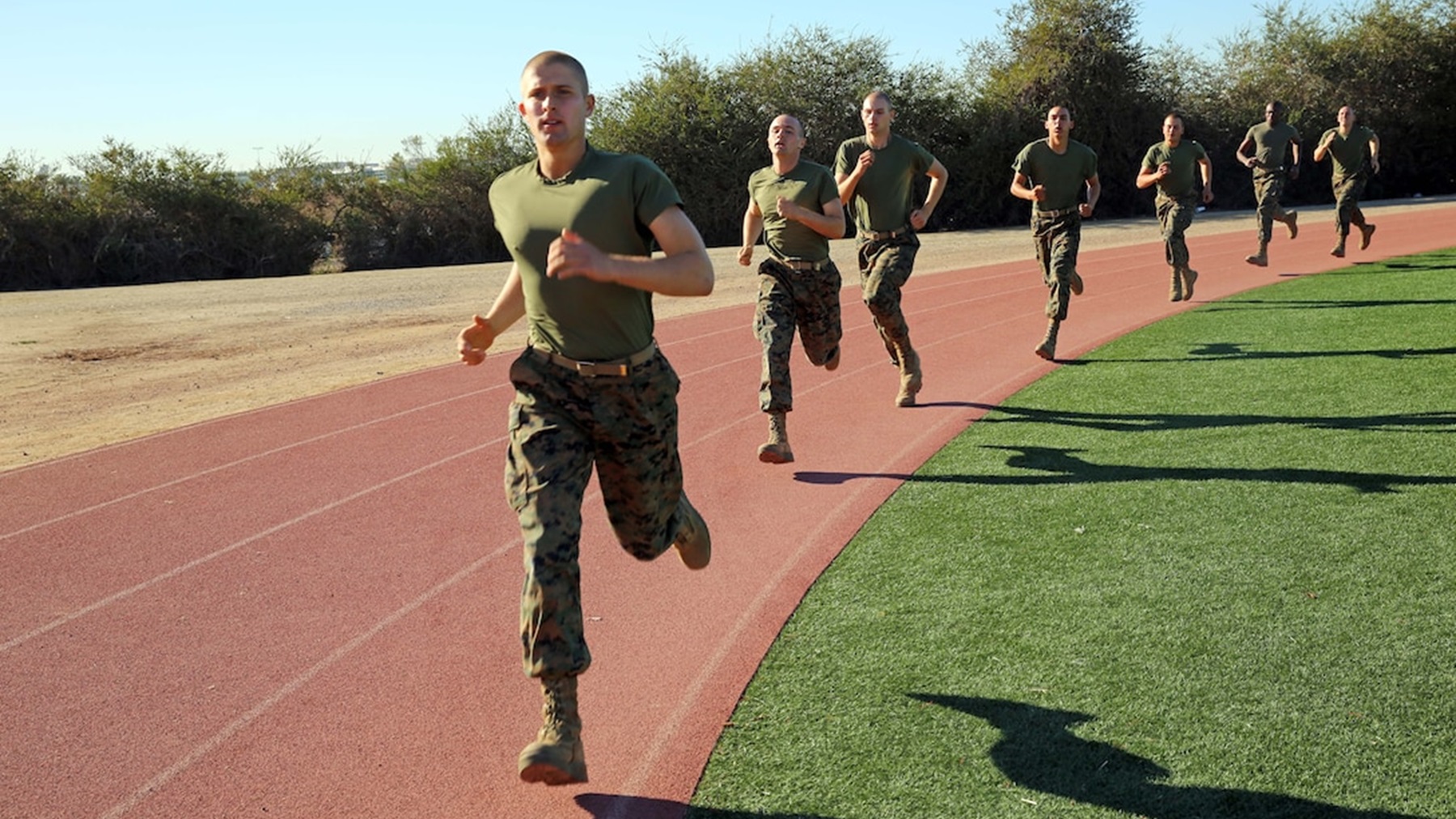
Hell Week
8-Day Gut Check to see if You Have What it Takes for Special Operations
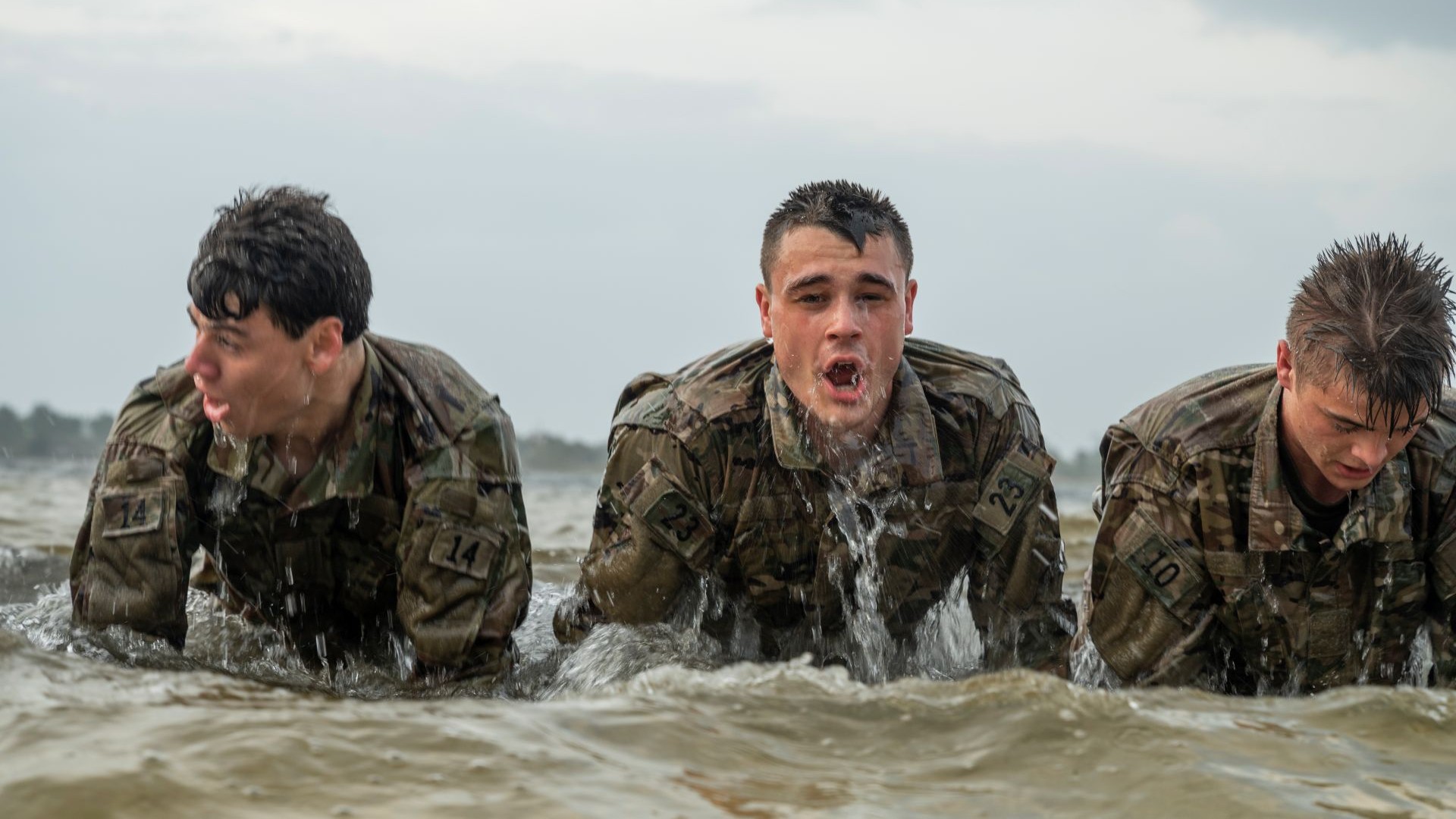
Push-Up Hero
Go from "Zero" to Push-Up "Hero" in 90-Days

Ruck March Hero
Become a Ruck March "Hero" in 90-Days

Pull-Up Hero
Go from "Zero" to Pull-Up "Hero" in 90-Days