What High-Intensity Fitness Actually Means
High-intensity fitness is often misunderstood. People hear the phrase and think of a 20-minute workout where everyone collapses on the floor and posts a sweaty selfie. That is not a serious training philosophy. That is often just exhaustion packaged as progress.
Real high-intensity fitness is about producing meaningful effort in a controlled way. It is about pushing the heart, lungs, muscles, and nervous system hard enough to create adaptation, while still preserving technique, recovery, and long-term durability. It is not just about how tired you feel. It is about what the training is actually building.
That matters because many people searching for high-intensity workout programs are not chasing entertainment. They want specific outcomes. They want fat loss, better conditioning, improved heart health, muscle retention, more energy, stronger recovery, a more capable body, and a system that fits into a busy life. They do not want to waste time with random workouts that look intense but produce shallow results.
The best high-intensity fitness programs build multiple qualities at the same time. They improve aerobic support, anaerobic output, muscular endurance, mental toughness, and movement quality. They also respect the reality that intensity without structure eventually turns into burnout, injury, or stagnation.
The High-Intensity Fitness Landscape in 2026
The search landscape around fitness has changed. People are still interested in hard workouts, but the smarter searcher in 2026 is not simply asking how to burn the most calories in the shortest amount of time. They are asking how to train intensely without destroying their joints, how to combine intensity with mobility, how to preserve muscle while losing fat, how to use wearables for recovery, and how to build fitness they can sustain.
That shift is a good thing. It reflects maturity. A 22-year-old can get away with a lot of dumb training for a while. A 42-year-old executive, firefighter, parent, entrepreneur, or veteran usually cannot. The body needs intelligent stress, not constant punishment.
That is why I like the phrase functional intensity. It captures where modern training is going. Functional intensity means the session is hard enough to matter, but guided by purpose, structure, and sustainability. You are not just trying to survive the workout. You are trying to improve performance over months and years.
In practical terms, this means the best programs in 2026 often include shorter sessions, more deliberate recovery, lower-impact options, better mobility support, wearable-guided decision-making, and a hybrid mix of strength and conditioning instead of pure cardio punishment.
Standard HIIT vs Functional Intensity in 2026
Feature | Standard HIIT (Old Model) | Functional Intensity (2026) |
Primary Goal | Burn calories fast | Build performance, health, and durability |
Duration | Often pushed too long | Usually 15 to 30 precise minutes |
Recovery | Frequently ignored | Monitored and respected |
Impact | Often repetitive pounding | Adaptive and joint-aware |
Strength Component | Often minimal | Integrated with strength and load |
Mobility | Usually an afterthought | Built into the system |
Outcome | Fatigue for the day | Progress over time |
This is the difference between a workout that leaves you wrecked and a training plan that actually improves your life.
Why High-Intensity Programs Still Work
None of this means intensity is no longer valuable. High-intensity training still works because it solves a real problem: time. Many adults do not have the luxury of long daily training sessions. They need efficient workouts that create real results.
A good high-intensity program can improve cardiovascular fitness, support fat loss, preserve muscle when paired with strength work, increase mental sharpness, and create a sense of momentum. For busy professionals in particular, the efficiency factor matters. A focused 20-minute session done consistently can be far more effective than a perfect 90-minute plan that never happens.
That said, the best results usually come when high-intensity work is part of a bigger training picture. It works best when paired with strength training, mobility, recovery, and some lower-intensity base work. High-intensity training is a powerful tool, but it is not the entire toolbox.
The Three Types of High-Intensity Fitness
Short-Duration Interval Training
This is what most people think of when they hear HIIT. It includes sprint intervals, assault bike work, rower intervals, jump rope intervals, burpee circuits, and similar formats. These sessions can be highly effective when done correctly, especially for people with limited time.
Sustained High-Output Work
This is a slightly different animal. It includes longer circuits, repeated rounds, loaded conditioning, and extended work-capacity sessions. These workouts require not just raw effort, but the ability to keep producing under fatigue. This is where many tactical athletes, first responders, and serious civilians separate themselves.
Load-Based Intensity
This is one of the most overlooked forms of high-intensity fitness. Carries, rucking, sandbag work, weighted step-ups, sled pushes, and loaded movement create a kind of intensity that feels more useful and more transferable to real life. They build toughness, durability, trunk stability, grip, and work capacity in a way that glossy fitness content often ignores.
The Longevity Shift: Intensity Without Self-Destruction
One of the biggest developments in fitness is the move toward joint-safe intensity and low-impact options that still produce serious results. That is not weakness. That is maturity.
A lot of people are searching for low-impact HIIT for longevity, joint-safe high-intensity interval training, and strategies to prevent muscle loss as they age. They want to stay strong, lean, and capable without spending the next three days limping around because they chased intensity without judgment.
This is exactly why I prefer a performance-based approach. Sleds, carries, rowing, loaded marches, kettlebell work, incline walking, bike intervals, sandbags, and bodyweight circuits can all create high intensity without unnecessary pounding. Strength training also becomes even more important here because muscle preservation, bone density, and resilience matter more over time than getting a temporary calorie burn.
The point is not to train less seriously. The point is to train in a way you can still respect 10 or 20 years from now.
High-Intensity Fitness for Busy Professionals With Limited Time
This is one of the most important audiences for this topic. Busy professionals do not need more guilt. They need a training plan that respects reality.
The best high-intensity fitness programs for busy professionals are efficient, simple, and flexible. They do not require a perfect schedule, a luxury gym, or 90 minutes every day. They need to work when life is messy.
That usually means short, focused sessions; low-friction program design; and a system that tells you what to do instead of making you invent a workout every day. This is one of the reasons I like app-based or structured programs so much. Decision fatigue kills consistency.
If you are busy, the goal is not to prove you are hardcore by doing the most brutal session possible. The goal is to get results repeatedly. Consistency beats drama. Precision beats randomness.
How to Combine High-Intensity Interval Training With Low-Impact Mobility
This is smart thinking, and it is one of the best ways to make intensity sustainable.
High-intensity work creates stress. Mobility helps you handle that stress better. When people combine HIIT with low-impact mobility, they often move better, recover faster, and reduce the stiffness and poor mechanics that eventually sabotage performance.
A practical model is simple. Use short mobility work before the session to prepare joints and movement patterns. Use high-intensity work in the middle. Then finish with easy cooldown breathing, walking, stretching, or simple mobility to help restore position and downshift the body.
This does not need to be complicated. Ten quality minutes of mobility and movement prep can do more for your long-term training than another random finisher ever will.
High-Intensity Fitness Program vs Steady-State Cardio for Fat Loss
This is not an either-or question. It is a both-and question for most people.
High-intensity training is efficient and can drive strong conditioning benefits in a short amount of time. Steady-state cardio helps build your aerobic base, supports recovery, improves endurance, and allows you to accumulate work without frying yourself.
If your only goal is to burn calories in the moment, you may be tempted to overvalue intensity. That is a mistake. The smarter approach is a hybrid model. Use high-intensity sessions to challenge the system and create adaptation. Use steady-state work to build the engine that supports recovery and makes all the other training more effective.
That is one of the reasons I like rucking, incline walking, easy runs, and other sustainable base-building work. They make your hard training better.
Effective High-Intensity Home Workouts Without Expensive Gym Equipment
This is another huge opportunity. Many people want intense, effective training at home without building a commercial gym in their garage.
The good news is that a lot of high-intensity training can be done with almost nothing. Push-ups, pull-ups, squats, lunges, mountain climbers, burpees, stair intervals, carries with simple objects, jump rope, and bodyweight circuits can all create real results. Add a backpack, resistance bands, or a pair of dumbbells, and your options expand even more.
This is also where targeted programs become useful. If your goal is upper-body endurance and pressing capacity, a bodyweight-focused path like 90-Day Push-Up Hero makes a lot of sense. If your goal is pulling strength, grip, and back development, 90-Day Pull-Up Hero is the better fit. You do not need fancy equipment to become far more capable than the average person.
Safe High-Intensity Interval Training for Beginners Over 50
This topic matters because beginners over 50 are not too old for intensity. They simply need smarter progression.
The biggest mistake is assuming that high intensity must look the same for everyone. It should not. A beginner over 50 may use walking intervals, bike intervals, step-ups, controlled carries, light resistance training, and lower-impact conditioning. That still counts. Intensity is relative.
The goal at first is not to prove toughness. It is to build confidence, movement quality, joint tolerance, and consistency. Over time, that person can absolutely improve strength, conditioning, metabolic health, and durability. In fact, preserving muscle and work capacity becomes even more important with age.
High-intensity training can be part of that solution, but it should be scaled intelligently.
Using Wearable Technology to Track Recovery in High-Intensity Programs
Wearables have changed how people think about training. Heart rate, recovery scores, sleep quality, resting heart rate, and HRV now give people data they never had before.
That does not mean the wearable is your master, but it can be a very useful assistant. If your sleep is poor, your recovery score is terrible, your resting heart rate is unusually high, and your body feels flat, it may not be the smartest day to force an all-out interval session. On the other hand, if recovery markers are strong and you feel ready, that may be a good day to push.
The key is to use data without becoming paralyzed by it. Wearables are tools. They help you see patterns, adjust intensity, and avoid the stupidity of treating every day like a max-effort competition.
High-Intensity Workouts for Muscle Preservation, Metabolic Health, and Fat Loss
A lot of people want high-intensity training because they want better body composition. That is understandable. But the smarter conversation is not just about losing weight. It is about preserving muscle, improving insulin sensitivity, supporting metabolic health, and reducing the kind of fat that creates bigger long-term problems.
This is especially relevant for people worried about muscle loss during fat-loss phases. High-intensity work can help, but it works best when paired with strength training, adequate protein, good sleep, and sensible recovery. Hard conditioning alone is not enough.
This is another reason functional intensity matters. A program that combines intervals, strength, carries, and useful movement is often more effective than endless cardio or random circuit classes.
Hybrid Training: Combining Heavy Lifting With Short HIIT Finishers
This is one of the best ways to structure training for serious adults.
Strength should not disappear just because you are interested in high-intensity conditioning. Heavy lifting builds muscle, bone density, joint resilience, and force production. Short HIIT finishers or conditioning sessions can then improve work capacity and cardiovascular performance without taking over the entire program.
This model works especially well for people who want to look strong, feel athletic, and remain useful. Lift first with intent. Add short, sharp conditioning when appropriate. Do not turn every strength day into a sloppy cardio event. Preserve the quality of both.
The 80/20 Rule and Polarized Training for Amateurs
One of the smartest trends in fitness is the recognition that not all training should feel hard. A polarized or 80/20-style approach generally means most of your work is easier, lower-intensity training, while a smaller portion is truly hard.
That idea is very useful for amateurs and working adults. It protects recovery, improves consistency, and reduces the trap of living in the gray zone where every session is kind of hard but nothing is hard enough or easy enough to create the right adaptation.
In practical terms, you might do most of your base work with easy cardio, rucking, recovery movement, or moderate strength work, and then use a smaller number of well-planned high-intensity sessions each week. That gives you the benefits of intensity without the burnout.
How to Choose the Right High-Intensity Fitness Program
Choose the program the same way you would choose equipment for a mission: based on what you actually need, not what sounds cool.
If you want the best complete system and you are serious about total-body improvement, choose the full-spectrum program. If you want tactical intensity and practical structure, choose the program that emphasizes useful performance. If you have a clear weak point, choose the targeted program that attacks it directly.
Your biggest mistake is not picking the wrong program. It is buying multiple programs, doing none of them consistently, and pretending research is the same thing as training.
Commit to one primary direction. Execute for 12 weeks. Then evaluate.
My Top Recommendation for High-Intensity Fitness
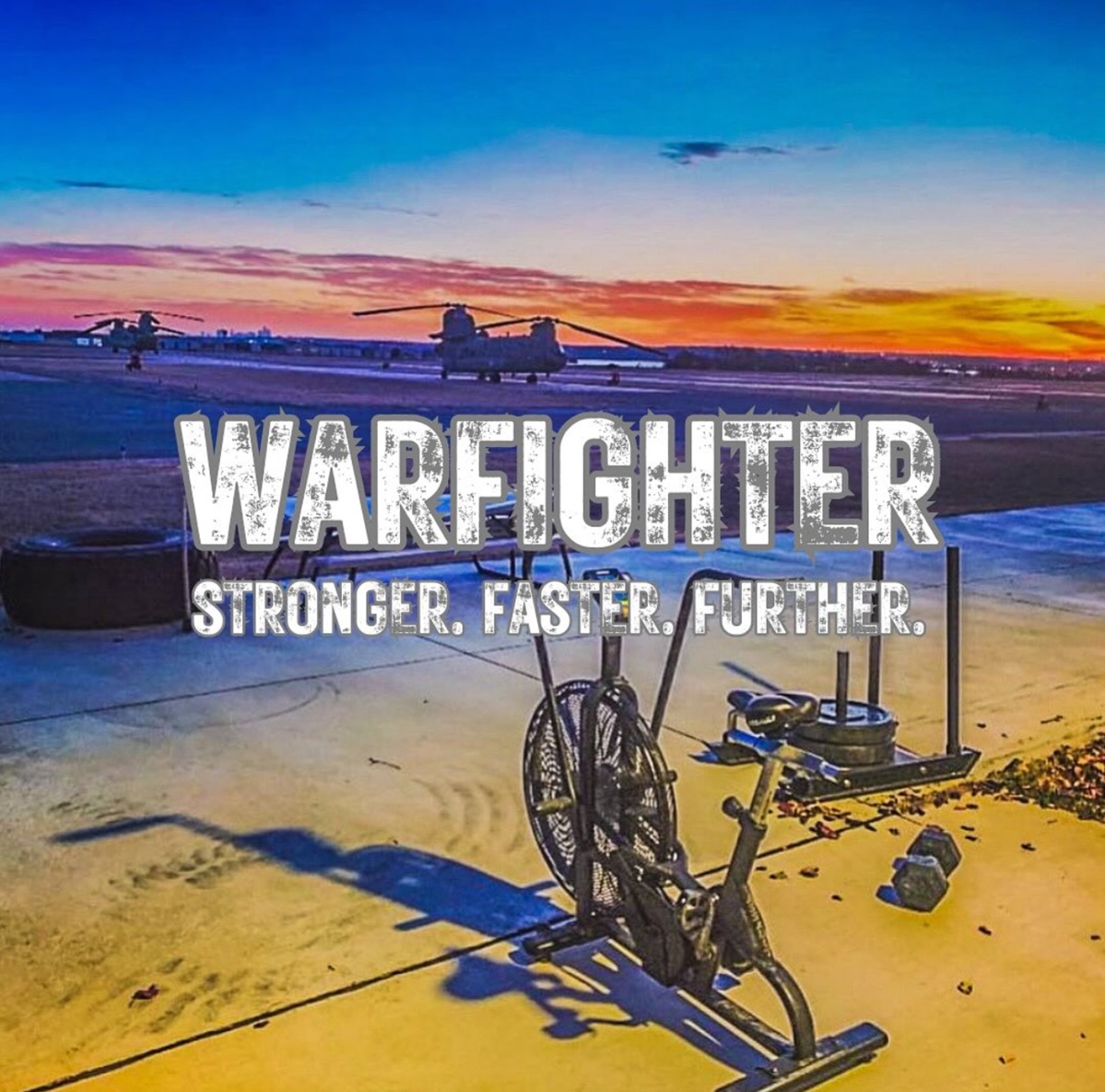
Warfighter
Warfighter is my top overall recommendation if you want to get into serious shape and follow a complete system. It is the best fit for someone who wants strength, conditioning, structure, and progression all in one place.
What I like most is that it fits real life. You can use it when your schedule is chaotic, and you can still push hard when you have the time, equipment, and recovery to go bigger. That combination makes it ideal for ambitious professionals, tactical-minded civilians, first responders, and anyone who wants more than random HIIT classes.
If you only choose one program, this is the one I would point you toward first.
Link: Start Warfighter
Instructor / Company: Built by Green Berets with support from elite athletes and strength coaches
Format: App-based training program with interactive coaching
Bonus: Use code LIFEISASPECOP for a free 7-day trial and a 10% discount.
Best LIASO Programs for High-Intensity Fitness
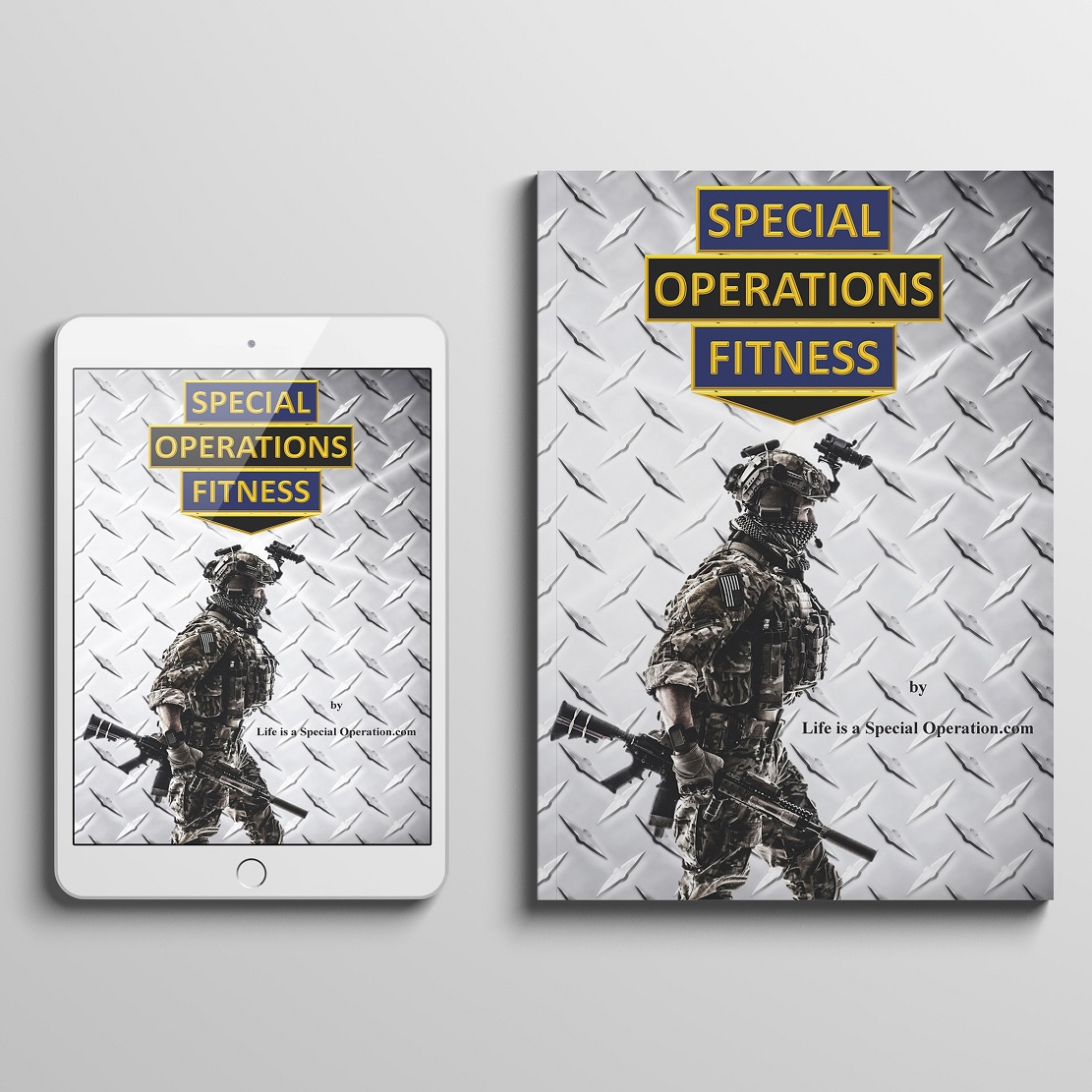
Special Operations Fitness
Link: Start Special Operations Fitness
Format: Structured 12-week tactical fitness program
If you want my best LIASO recommendation for complete tactical-style conditioning, this is it. Special Operations Fitness is built for people who want a hard, practical, no-fluff program that develops strength, endurance, work capacity, and resilience.
This is the better choice if your identity leans toward tactical fitness, mission-focused preparation, and real performance rather than mainstream group-fitness style programming.
90-Day Ruck March Hero
Link: Start 90-Day Ruck March Hero
Format: Endurance and load-bearing program
This is the best option if your weak point is endurance, lower-body durability, or load-bearing strength. It is also one of the best longevity-friendly tools in your arsenal because rucking and loaded movement build toughness, work capacity, and practical strength without requiring flashy gym complexity.
If you want a body that can carry weight, move for a long time, and stay composed under load, start here.
90-Day Pull-Up Hero
Link: Start 90-Day Pull-Up Hero
Format: Upper-body pulling strength and endurance program
If your upper back, pulling strength, grip, and upper-body durability are weak, this is your answer. Pulling strength matters. It supports posture, practical strength, climbing ability, carrying ability, and overall resilience.
For people training at home or with minimal equipment, this can be an outstanding focused solution.
90-Day Push-Up Hero
Link: Start 90-Day Push-Up Hero
Format: Pressing endurance and upper-body work-capacity program
If your pressing endurance, shoulder stamina, chest strength, and upper-body work capacity are weak, this is the best targeted fit. Push-Up Hero is simple, practical, scalable, and effective. It also fits well for people who want intense home training without expensive equipment..
Real-World Scenarios: What Should You Choose?
I want the best overall high-intensity fitness program.
Choose Warfighter. It gives you the best full-system answer for strength, conditioning, structure, and progression.
I want a tactical-style program, not a generic HIIT class.
Choose Special Operations Fitness. It is more mission-focused, harder-edged, and built around real capability.
I am busy and need efficient workouts.
Choose Warfighter first. If your schedule is chaotic, structure matters even more than motivation.
I want home workouts without a lot of equipment.
Choose 90-Day Push-Up Hero or 90-Day Pull-Up Hero depending on whether your pressing or pulling is the bigger weakness.
I need endurance, toughness, and lower-body durability.
Choose 90-Day Ruck March Hero. This is the best fit for load-bearing strength, endurance, and practical grit.
I want intensity, but I also care about longevity.
Use a functional intensity approach. Pair smart conditioning with mobility, strength, recovery, and lower-impact options. Rucking, carries, controlled intervals, and structured programs are usually a better answer than random punishment.
Frequently Asked Questions
What is a high intensity fitness program?
A high-intensity fitness program, often referred to as HIIT, is a training protocol consisting of short bursts of near-maximal physical effort, usually around 80% to 95% of your maximum heart rate, followed by brief periods of rest or low-intensity recovery. The goal is to create a strong training stimulus in a short amount of time while improving conditioning, work capacity, and efficiency. The best programs use this concept inside a larger system of strength, recovery, and progression rather than treating intensity like chaos.
How long should a high intensity workout last?
True high-intensity training is designed to be short. Most effective sessions last between 10 and 30 minutes. If a workout goes far beyond that, the intensity usually starts to fall and the session becomes something closer to standard aerobic work or fatigue for its own sake. That is one reason short, focused sessions often work so well for busy adults and serious trainees.
Will high intensity training make me bulky?
No. Building significant muscle mass usually requires a sustained calorie surplus, dedicated resistance training, and time. High-intensity training generally pushes people toward a leaner, more capable, more conditioned physique rather than a bulky one. If anything, the bigger risk for some people is not getting bulky, but failing to preserve enough muscle because they rely only on conditioning and ignore strength training.
Is it safe to do high intensity workouts every day?
No. Because of the stress hard training places on the nervous system, connective tissue, and recovery systems, high-intensity sessions are usually better limited to a few focused sessions each week rather than performed hard every day. Most people do better when they give themselves recovery space between hard efforts and combine intensity with easier training, strength work, mobility, and sleep. The goal is not daily punishment. The goal is consistent adaptation.
Can I do high intensity programs if I am a beginner?
Yes. The key is understanding that intensity is relative. A beginner does not need to copy an advanced athlete’s output to benefit from the training. A beginner’s hard effort may be a fast walk, a bike interval, controlled bodyweight work, or short step-up intervals. Good programs scale the stress to the person instead of forcing the person to pretend they are already elite.
Do I need equipment for a high intensity program?
Not necessarily. Many highly effective high-intensity movements use body weight only, including push-ups, mountain climbers, jump squats, split squats, burpees, and stair intervals. That said, simple equipment such as dumbbells, kettlebells, resistance bands, a backpack, or a pull-up bar can expand your options and make the training even more effective. You do not need expensive machinery to get into excellent shape.
What is the “afterburn effect” (EPOC)?
Excess Post-exercise Oxygen Consumption, or EPOC, refers to the increased energy demand after a hard workout as the body works to return toward resting levels. In plain English, your system keeps working after the session is over. This idea is real, but it should not be exaggerated into magic. EPOC is best understood as one useful benefit of hard training, not the only reason to do it.
What is the difference between HIIT and Tabata?
Tabata is a specific type of HIIT. The classic version uses 20 seconds of all-out work followed by 10 seconds of rest, repeated 8 times for a total of 4 minutes. General HIIT is broader and much more flexible. It can use different work-to-rest ratios, different durations, and different movement patterns depending on the goal of the program.
How do I know if I’m working hard enough?
If you use a wearable, getting above roughly 80% of your maximum heart rate during the hard portions can be a useful reference point. Without a device, the talk test is simple and effective: when the effort is truly high, you should not be able to comfortably say full sentences. You should feel like the work demands focus and control. The answer is not just to feel tired. The answer is to create deliberate, measurable effort.
Can high intensity programs help with mental health?
Yes, they can. Hard exercise often helps reduce stress, sharpen focus, elevate mood, and create a sense of momentum. Many people feel mentally clearer after a strong training session because effort changes state. That said, more is not always better. A smart program supports mental health best when the intensity is balanced with recovery, sleep, and sustainability rather than turning training into one more source of burnout.
Final Thoughts: Train Hard Enough to Matter, Smart Enough to Last
The future of high-intensity fitness is not softness. It is precision.
The best high-intensity fitness programs in 2026 are built around useful effort, smart recovery, practical structure, and long-term sustainability. They do not chase empty suffering. They build capacity. They help you preserve muscle, improve conditioning, support metabolic health, stay dangerous in the right way, and keep showing up for the rest of your life.
That is the standard you should demand from your training.
Do not train randomly.
Do not confuse pain with progress.
Do not turn intensity into chaos.
Build the plan.
Execute the plan.
Recover like it matters.
Arrive prepared.
Your Next Step Starts Here
Stop guessing. Start preparing.
If you just need to get into elite physical shape, start with Warfighter. It is my number one recommendation for physical training, and it is one of the best values on this list. Use code LIFEISASPECOP for a free 7-day trial and a 10% discount.
If you need a targeted program for a specific weakness, choose the option that fits your needs:
- Special Operations Fitness: 12-Week Fitness Program
- Special Operations Fitness – Hell Week: 8-Day Gut Check
- 90-Day Push-Up Hero
- 90-Day Ruck March Hero
- 90-Day Pull-Up Hero
Do not over complicate this.
Choose the right program.
Commit to the process.
Life is a Special Operation. Are You Ready for It?

Special Operations Fitness
12 Week Unconventional Fitness Program for Civilians and Military
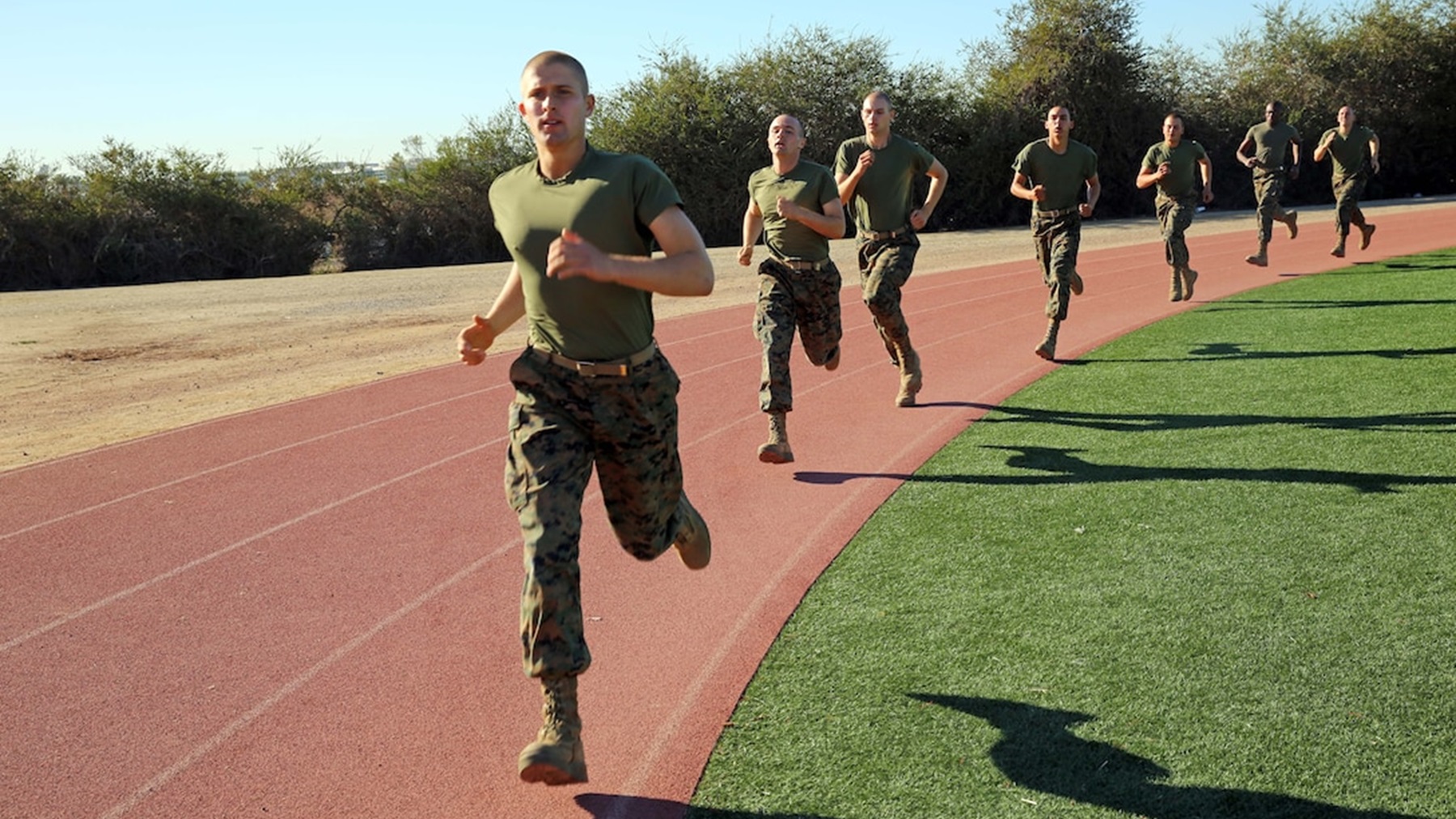
Hell Week
8-Day Gut Check to see if You Have What it Takes for Special Operations
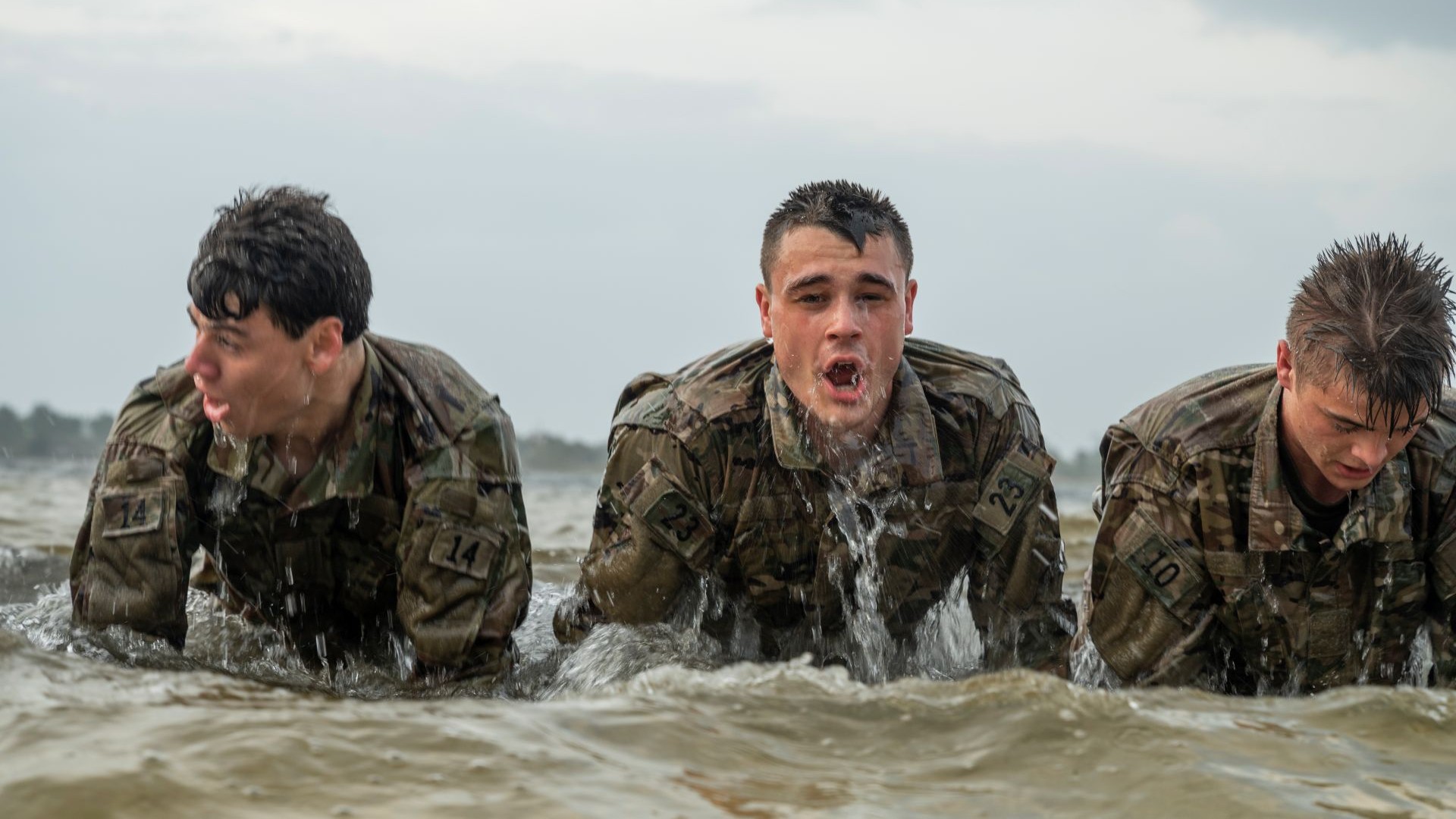
Push-Up Hero
Go from "Zero" to Push-Up "Hero" in 90-Days

Ruck March Hero
Become a Ruck March "Hero" in 90-Days

Pull-Up Hero
Go from "Zero" to Pull-Up "Hero" in 90-Days