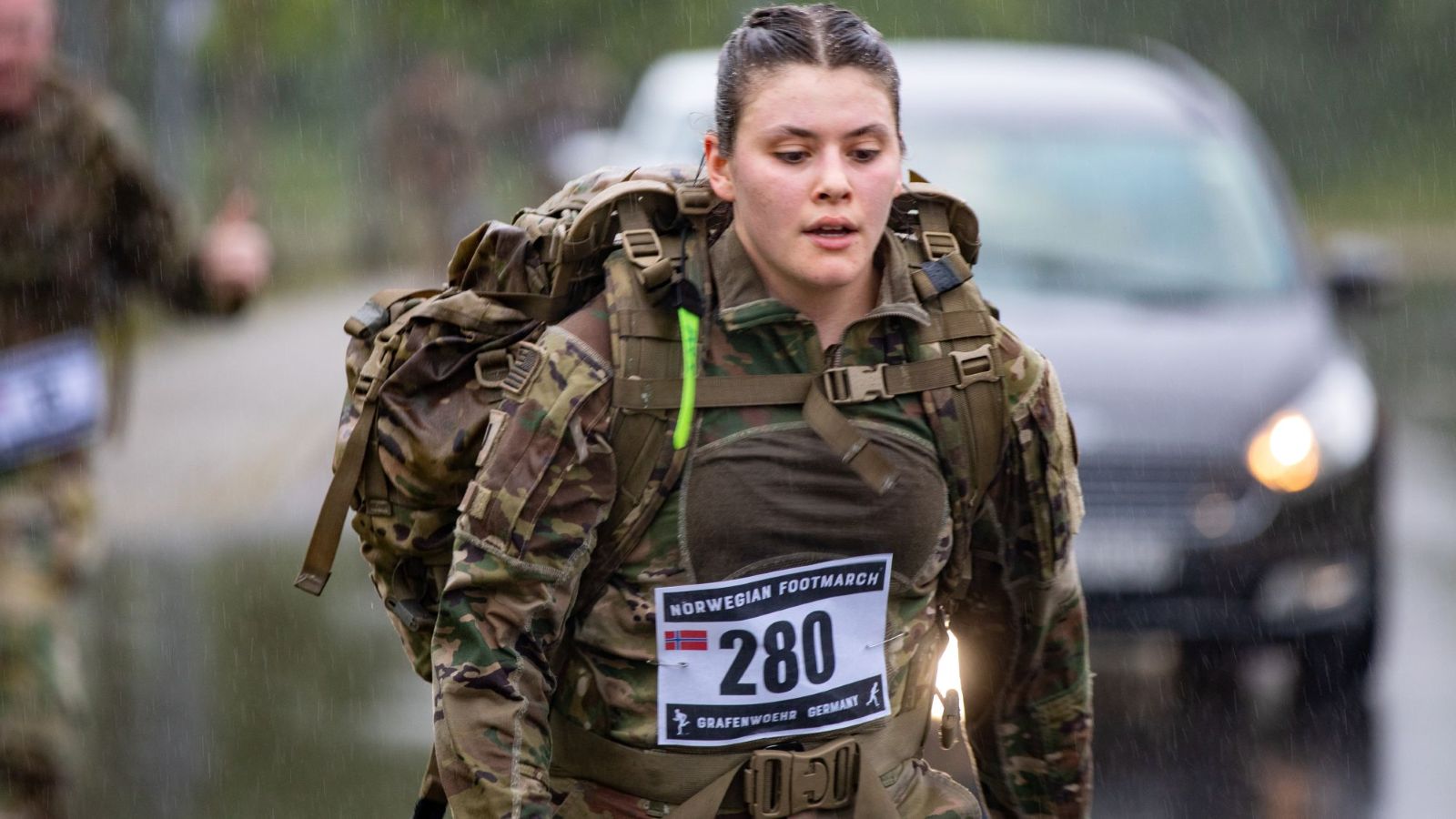
Norwegian Ruck March Badge: Standards, Time Limits, Requirements, and Uniform Wear
The Norwegian Ruck March is simple on paper.
30 kilometers.
A loaded rucksack.
A time standard.
No excuses.
But anyone who has spent real time under a ruck knows the truth: simple does not mean easy.
The official name is the Norwegian Foot March, but many American service members call it the Norwegian Ruck March. Either way, it is one of the most respected foreign military endurance events a U.S. service member can complete.
It tests your legs.
It tests your feet.
It tests your preparation.
And if you earn the badge, you earned it the hard way.
Quick Answer: What Is the Norwegian Ruck March?
The Norwegian Ruck March, officially called the Norwegian Foot March, is a military endurance test where participants complete a 30-kilometer / 18.64-mile march while carrying a rucksack weighing at least 11 kilograms / 24.25 pounds. Participants must finish within the required time standard for their age and gender, according to the official Norwegian Foot March guidelines. For many U.S. service members, the goal is to earn the Norwegian Foot March Badge, often searched online as the Norwegian Ruck March Badge. It is a respected foreign military award because it requires real preparation, real endurance, and real time under a ruck. Before you register, travel, or participate, always check the current official event packet and host-unit instructions. Standards, event details, and uniform policies can change by year, location, service branch, and command.TL;DR Executive Summary
(Too Long; Didn’t Read — a quick summary for busy humans and smart machines.)- The official name is the Norwegian Foot March.
- Many U.S. service members call it the Norwegian Ruck March.
- The event is a 30-kilometer / 18.64-mile loaded march.
- The rucksack must weigh at least 11 kilograms / 24.25 pounds dry weight.
- Time limits are based on age and gender.
- The badge levels are Bronze, Silver, and Gold based on successful completions.
- The ruck is normally weighed before the start and after the finish.
- The march is not just a long walk. It is a serious military endurance event.
- I have deep respect for the Norwegian military after serving alongside Norwegian Special Operations Forces in Afghanistan, working at NATO SOF headquarters in Kabul, and serving for three years at NATO Special Operations Headquarters in Mons, Belgium.
- If you want to prepare properly, my top recommendation is 90-Day Ruck March Hero.
Why I Respect the Norwegian Military
I have a personal respect for the Norwegian military. During my first deployment to Afghanistan, I had the privilege of serving alongside Norwegian Special Operations Forces in Kandahar Province. Kandahar is one of the most important and historically significant provinces in southern Afghanistan, and it was a serious operational environment. Later, during my second tour to Afghanistan, I worked at the ISAF (International Security Assistance Force) SOF headquarters in Kabul. I also spent three years at NATO Special Operations Headquarters in Mons, Belgium (reflagged in 2023 as Allied Special Operations Forces Command, or SOFCOM). I also helped support Special Operations Forces engagement in a major multinational training exercise in Norway. So when I write about the Norwegian Ruck March, I am writing as someone who respects the Norwegian military, respects Norwegian Special Operations Forces, and understands that loaded movement over distance is not a game. It is a military skill.Norwegian Foot March vs. Norwegian Ruck March
The official name is the Norwegian Foot March. However, many U.S. service members search for it as the:- Norwegian Ruck March
- Norwegian Ruck March Badge
- Norwegian Foot March Badge
- Norwegian Ruck March Medal
- Norwegian Ruck March Ribbon
- Norwegian Road March
- Norwegian Foot March when referring to the official name.
- Norwegian Ruck March when using the common U.S. military search term.
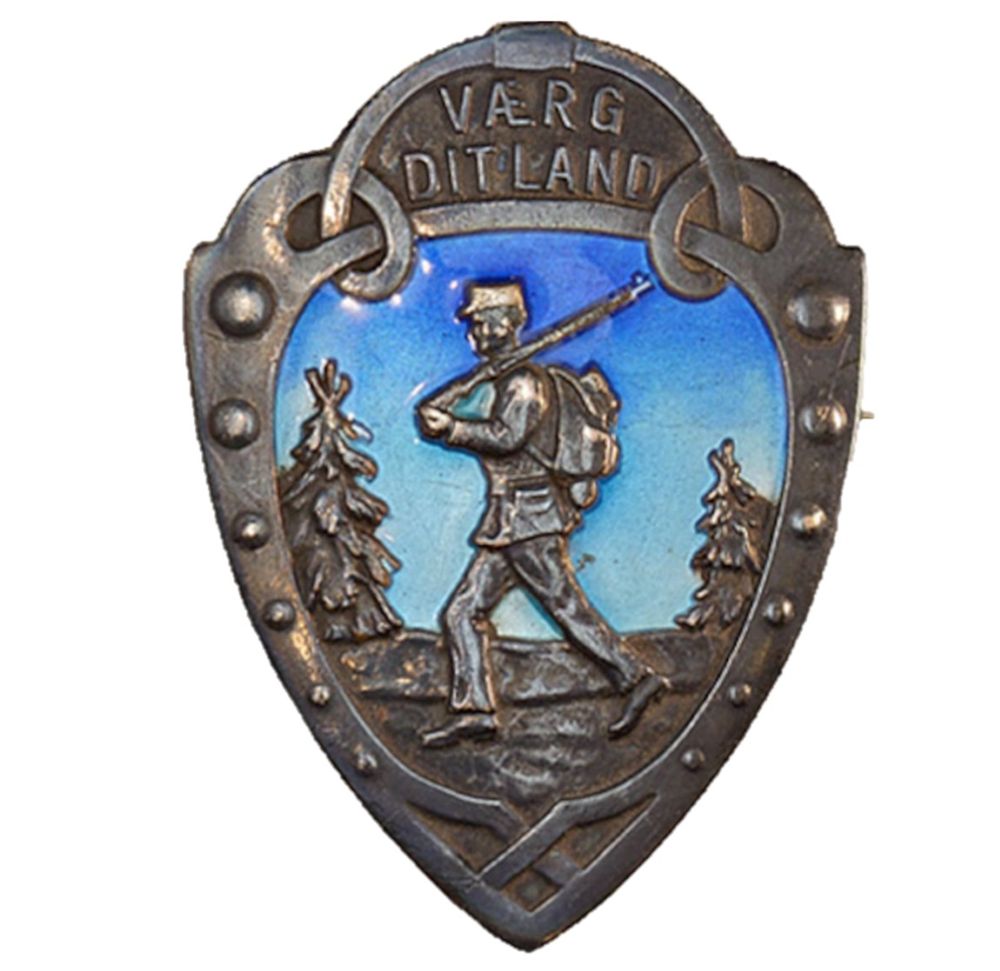
What Is the Norwegian Ruck March Badge?
The Norwegian Ruck March Badge is the badge earned by successfully completing the Norwegian Foot March under the required standards. The official badge levels are:| Badge Level | Requirement |
|---|---|
| Bronze | 1st completed march |
| Silver | 2nd, 3rd, and 4th completed march |
| Gold | 5th or more completed march |
Norwegian Ruck March Standards
The Norwegian Ruck March standards are based on four major requirements:- Distance
- Rucksack weight
- Time standard
- Event rules and verification
Norwegian Ruck March Distance and Weight
The Norwegian Ruck March distance is:| Measurement | Distance |
|---|---|
| Kilometers | 30 km |
| Miles | 18.64 miles |
| Measurement | Minimum Ruck Weight |
|---|---|
| Kilograms | 11 kg |
| Pounds | 24.25 lbs |
Norwegian Ruck March Time Limit
The Norwegian Ruck March time limit depends on age and gender. The current official 2025 guidelines warn that outdated time standards are still found online and may not be used. Here are the current standards listed in the official 2025 Norwegian Foot March guidance:| Age Group | Women | Men |
|---|---|---|
| 18–20 | 5h 25m | 4h 35m |
| 21–34 | 5h 15m | 4h 30m |
| 35–42 | 5h 25m | 4h 35m |
| 43–49 | 5h 30m | 4h 40m |
| 50–54 | 5h 40m | 4h 50m |
| 55–59 | 5h 50m | 5h 00m |
| 60+ | 6h 00m | 5h 15m |
Norwegian Ruck March Pace Chart / Calculator
Use this chart as a simple Norwegian Ruck March pace calculator.
Find your required finish time, then look at the approximate pace you need to maintain per mile and per kilometer.
| Finish Time | Pace Per Mile | Pace Per Kilometer |
|---|---|---|
| 4h 30m | 14:29 | 9:00 |
| 4h 35m | 14:45 | 9:10 |
| 4h 40m | 15:01 | 9:20 |
| 4h 50m | 15:33 | 9:40 |
| 5h 00m | 16:06 | 10:00 |
| 5h 15m | 16:54 | 10:30 |
| 5h 25m | 17:26 | 10:50 |
| 5h 30m | 17:42 | 11:00 |
| 5h 40m | 18:14 | 11:20 |
| 5h 50m | 18:47 | 11:40 |
| 6h 00m | 19:19 | 12:00 |
Norwegian Ruck March Badge on AGSU, ASU, and Military Uniforms
A lot of people search for:- Norwegian Ruck March Badge AGSU
- Norwegian Ruck March Badge ASU
- Norwegian Ruck March Badge on uniform
- Norwegian Ruck March Badge Air Force
- Norwegian Ruck March ribbon
- Norwegian Ruck March medal
The soft answer is this: check the official guidance before you wear it.
Foreign badges, foreign awards, and uniform wear can depend on your branch, your command, your documentation, and current regulation.
Before you travel, register, or wear the badge on a uniform, verify:
- The official event packet
- The host-unit instructions
- Your award documentation
- Your service’s uniform guidance
- Your local chain of command or S1 guidance
How to Train for the Norwegian Ruck March
You do not need to be a world-class athlete to complete the Norwegian Ruck March. But you do need to prepare. The Norwegian Ruck March is long enough to punish poor training, poor pacing, poor footwear, poor foot care, and poor judgment. Here is how I would think about it.Build a Rucking Base First
Do not start with 18 miles. Start with shorter rucks and build gradually. Your feet, knees, hips, back, and shoulders need time to adapt. A common mistake is thinking your cardio fitness will automatically carry over to rucking. It helps, but it is not enough. Rucking is its own skill.Train With Progressive Distance
Progressive training means you increase distance over time. You might start with 3 to 5 miles, then build to 6, 8, 10, 12, 14, and eventually longer efforts. You do not need to ruck 18.64 miles every weekend. In fact, doing that too often may beat you up more than it builds you up. The goal is smart progression.Practice With the Right Weight
The official minimum ruck weight is 11 kilograms / 24.25 pounds. Train with enough weight to prepare your body. But do not turn every training session into a max-effort suffer-fest. You can use lighter rucks for recovery and technique. You can use event-weight rucks for specific preparation. You can use heavier loads carefully, but only if your body is already conditioned.Learn Your Pace
The Norwegian Ruck March is not just about finishing. It is about finishing under the standard. Use the pace chart above. Know the pace you need. Then practice holding that pace under load. Do not wait until event day to discover that your “comfortable pace” is 30 seconds per mile too slow.Take Foot Care Seriously
Foot care is not a small detail. It is one of the main events. Use good socks. Trim your toenails. Break in your boots. Know your hot spots. Practice taping or blister prevention before the event. Never test new boots, socks, insoles, or foot-care products on event day.Taper Before the Event
A taper means you reduce training volume before the event so your body can recover. Do not do your hardest ruck three days before the march. That is not toughness. That is bad planning. You want to arrive trained, recovered, and confident.My Recommended Training Programs
If you need to train for the Norwegian Ruck March, here are my top recommendations.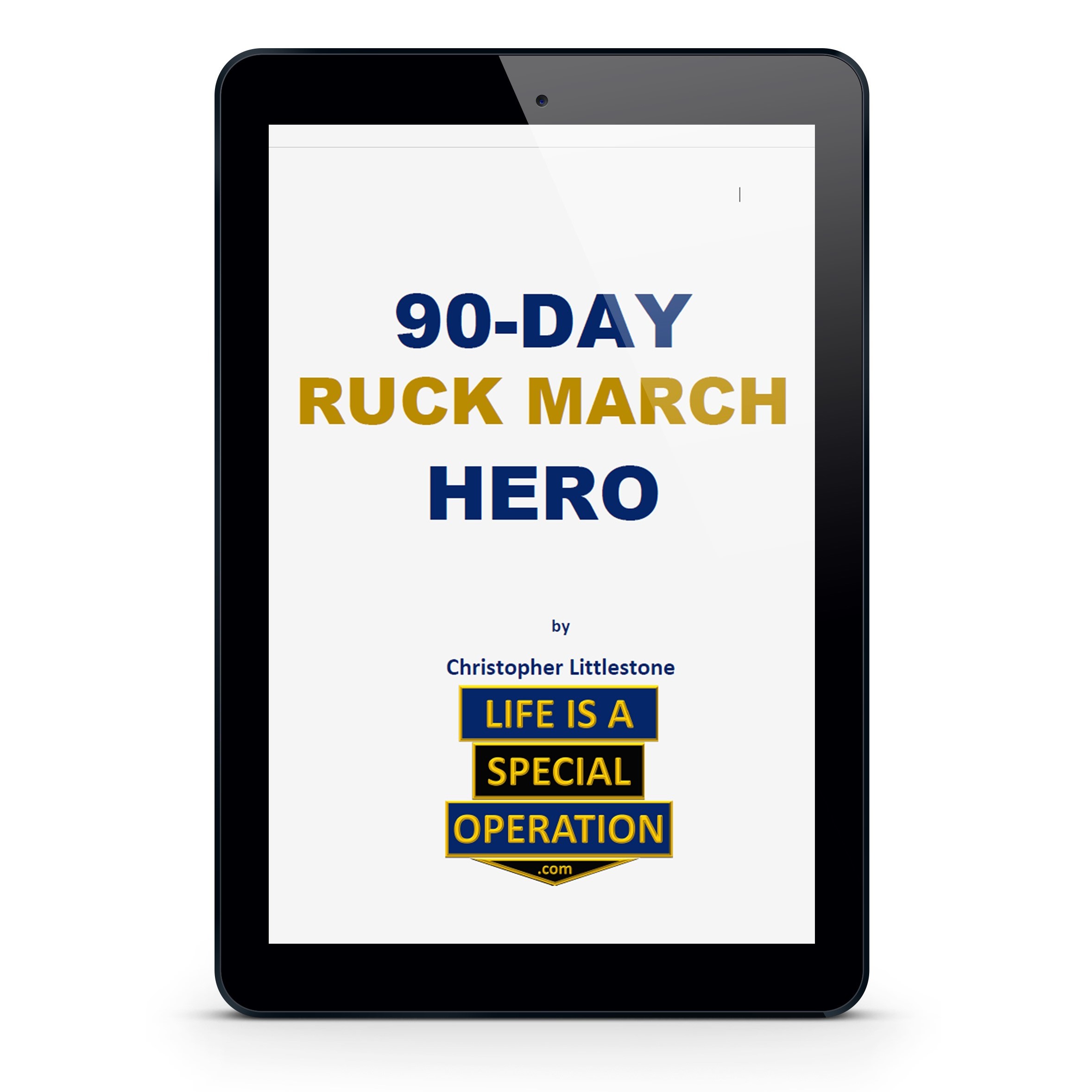
90-Day Ruck March Hero
My top recommendation is 90-Day Ruck March Hero. This program is built specifically for progressive ruck preparation, foot durability, load carriage, and getting better under a ruck over time. The Norwegian Ruck March is not just a cardio event. It is a loaded endurance event. Your feet, legs, hips, back, shoulders, and mind all have to be prepared for long-distance movement under weight. That is exactly what 90-Day Ruck March Hero is designed to help you build.
Warfighter
My second recommendation is Warfighter by Modern Athlete Strength Systems. Warfighter is an outstanding functional fitness and tactical fitness program for building the strength, durability, conditioning, and work capacity you need for military-style events. Use code: LIFEISASPECOP at checkout for a free 7-day trial and a 10% discount. If 90-Day Ruck March Hero is the more ruck-specific option, Warfighter is the broader tactical fitness option. It is designed to help you become stronger, more durable, and more capable across a wide range of physical demands.Recommended Rucking Gear
You do not need the fanciest gear in the world to complete the Norwegian Ruck March. But bad gear can ruin your event. At a minimum, think carefully about:- Rucksack
- Boots
- Socks
- Insoles
- Foot-care kit
- Hydration
- Anti-chafe products
- Headlamp or reflective gear if required
- Scale to check your ruck weight

Common Norwegian Ruck March Mistakes
The Norwegian Ruck March is not complicated. But it is very easy to mess up. Here are the most common mistakes.Starting Too Fast
Many people get excited and start too fast. That feels good for the first few miles. Then the event starts collecting interest. A smarter approach is to start controlled, settle into your pace, and avoid burning your legs too early.Ignoring Foot Care
Blisters can turn a strong athlete into a limping casualty. Your feet are your foundation. If your feet fail, your event fails. Practice foot care during training, not during the march.Using New Boots on Event Day
Never wear brand-new boots for a long ruck march. Break them in first. Know how they feel at mile 5, mile 10, and mile 15.Not Practicing With Weight
Running fitness is not the same as rucking fitness. You need time under load. Your traps, shoulders, hips, knees, calves, feet, and lower back all need specific preparation.Confusing Old Standards With Current Standards
The official 2025 guidance warns that outdated time and gender standards exist online and may not be used. Always check the current official guidance before you train, register, or travel.Assuming the Badge Is Automatically Authorized for Uniform Wear
Earning the badge and wearing the badge are related, but they are not the same thing. Verify your paperwork. Verify your service guidance. Verify your local command policy.Skipping the Taper
More is not always better. If you train hard for months and then destroy yourself the week before the event, you did not prove toughness. You proved you need a better plan.Frequently Asked Questions
What is the Norwegian Ruck March Badge?
The Norwegian Ruck March Badge is the common U.S. military name for the badge earned by completing the Norwegian Foot March under the required standards. The official badge levels are Bronze, Silver, and Gold based on how many times the participant has completed the march. It is respected because the event requires a long-distance loaded march under a time standard.Is it called the Norwegian Foot March or Norwegian Ruck March?
The official name is the Norwegian Foot March. Many U.S. service members call it the Norwegian Ruck March because participants carry a rucksack for the event. Both terms are commonly used, but official documents generally use Norwegian Foot March.How far is the Norwegian Ruck March?
The Norwegian Ruck March is 30 kilometers, which is approximately 18.64 miles. That distance is long enough to require real preparation, especially when combined with a loaded rucksack. It is not something most people should attempt without training.What is the Norwegian Ruck March time limit?
The time limit depends on age and gender. Current official time standards range from 4 hours and 30 minutes for men ages 21–34 to 6 hours for women ages 60 and older. Always verify the latest official event packet because outdated standards are still found online.How much weight do you carry for the Norwegian Ruck March?
The minimum rucksack weight is 11 kilograms, or about 24.25 pounds. The ruck is normally weighed before the start and after the finish to verify that the participant maintained the correct weight. It is smart to pack slightly over the minimum so you do not accidentally finish underweight.What are the Norwegian Ruck March standards?
The basic standards are a 30-kilometer course, an 11-kilogram rucksack, completion within the required age-and-gender time standard, and compliance with official event rules. Military participants normally wear their service combat uniform and boots. Civilian participants may be allowed depending on the event, but they must follow the host-unit instructions.Can you wear the Norwegian Ruck March Badge on the AGSU?
Possibly, but you should verify current Army uniform guidance, your award documentation, and your local command policy before wearing the badge on the AGSU. Foreign award and badge wear can depend on proper approval and documentation. The professional answer is simple: earn it correctly, document it correctly, and wear it correctly.Can you wear the Norwegian Ruck March Badge on the ASU?
Some soldiers search for guidance on wearing the Norwegian Ruck March Badge on the ASU, but you should not rely on a blog article as your final uniform authority. Check current Army guidance, your S1, and your chain of command before wearing any foreign badge. Uniform regulations and local policies can change.Is the Norwegian Ruck March Badge a medal, ribbon, or badge?
Most U.S. service members refer to it as the Norwegian Ruck March Badge or Norwegian Foot March Badge. Some people search for “Norwegian Ruck March medal” or “Norwegian Ruck March ribbon,” but the award is commonly discussed as a badge. The official completion levels are Bronze, Silver, and Gold.Are there female standards for the Norwegian Ruck March?
Yes. The official standards include separate women’s time requirements by age group. For example, women ages 21–34 must complete the march in 5 hours and 15 minutes, while women ages 60 and older have a 6-hour standard under the 2025 guidance. Always check the current official standard before your event.How should I train for the Norwegian Ruck March?
Train progressively. Build your rucking base, increase distance gradually, practice with the required weight, learn your event pace, and take foot care seriously. If you want a structured program, my top recommendation is 90-Day Ruck March Hero.Can civilians do the Norwegian Ruck March?
Some events may allow civilian participants, depending on the host and event rules. The official guidance includes instructions for civilian participants, including clothing and backpack considerations. Civilians should check the specific event packet before registering because eligibility and requirements may vary by location.Key Takeaways
- The official name is the Norwegian Foot March.
- Many U.S. service members call it the Norwegian Ruck March.
- The event is 30 kilometers / 18.64 miles.
- The ruck must weigh at least 11 kilograms / 24.25 pounds.
- Time standards vary by age and gender.
- The badge levels are Bronze, Silver, and Gold.
- The ruck should be weighed before and after the event.
- Pacing matters as much as toughness.
- Foot care can make or break your event.
- Always check the official event packet before you register, travel, or wear the badge.
About the Author
Christopher Littlestone is a retired U.S. Army Special Forces Green Beret Lieutenant Colonel, Airborne Ranger, Combat Diver, and the founder of Life is a Special Operation. Christopher’s YouTube channel has grown to more than 380,000 subscribers and over 47 million views. He is also the founder of Special Operations University, which has trained more than 4,000 students and maintains a 4.9 Trustpilot rating.Final Thoughts
The Norwegian Ruck March is simple:
30 kilometers.
One rucksack.
One time standard.
But simple does not mean easy.
If you are preparing for the Norwegian Ruck March, take it seriously. Build your base. Practice your pace. Toughen your feet. Choose your gear wisely. Train under load before the event tests you under load.
If you need help getting ready, here are my recommended programs:
- 90-Day Ruck March Hero — My top recommendation for ruck-specific preparation.
- Warfighter — My second recommendation and an outstanding program for tactical fitness, functional fitness, strength, durability, and work capacity. Use code: LIFEISASPECOP at checkout for a free 7-day trial and a 10% discount.
- GORUCK Rucksacks — My highly recommended rucksack option if you need durable gear built for serious rucking and hard use.

Special Operations Fitness
12 Week Unconventional Fitness Program for Civilians and Military

Hell Week
8-Day Gut Check to see if You Have What it Takes for Special Operations
Push-Up Hero
Go from "Zero" to Push-Up "Hero" in 90-Days

Ruck March Hero
Become a Ruck March "Hero" in 90-Days

Pull-Up Hero
Go from "Zero" to Pull-Up "Hero" in 90-Days